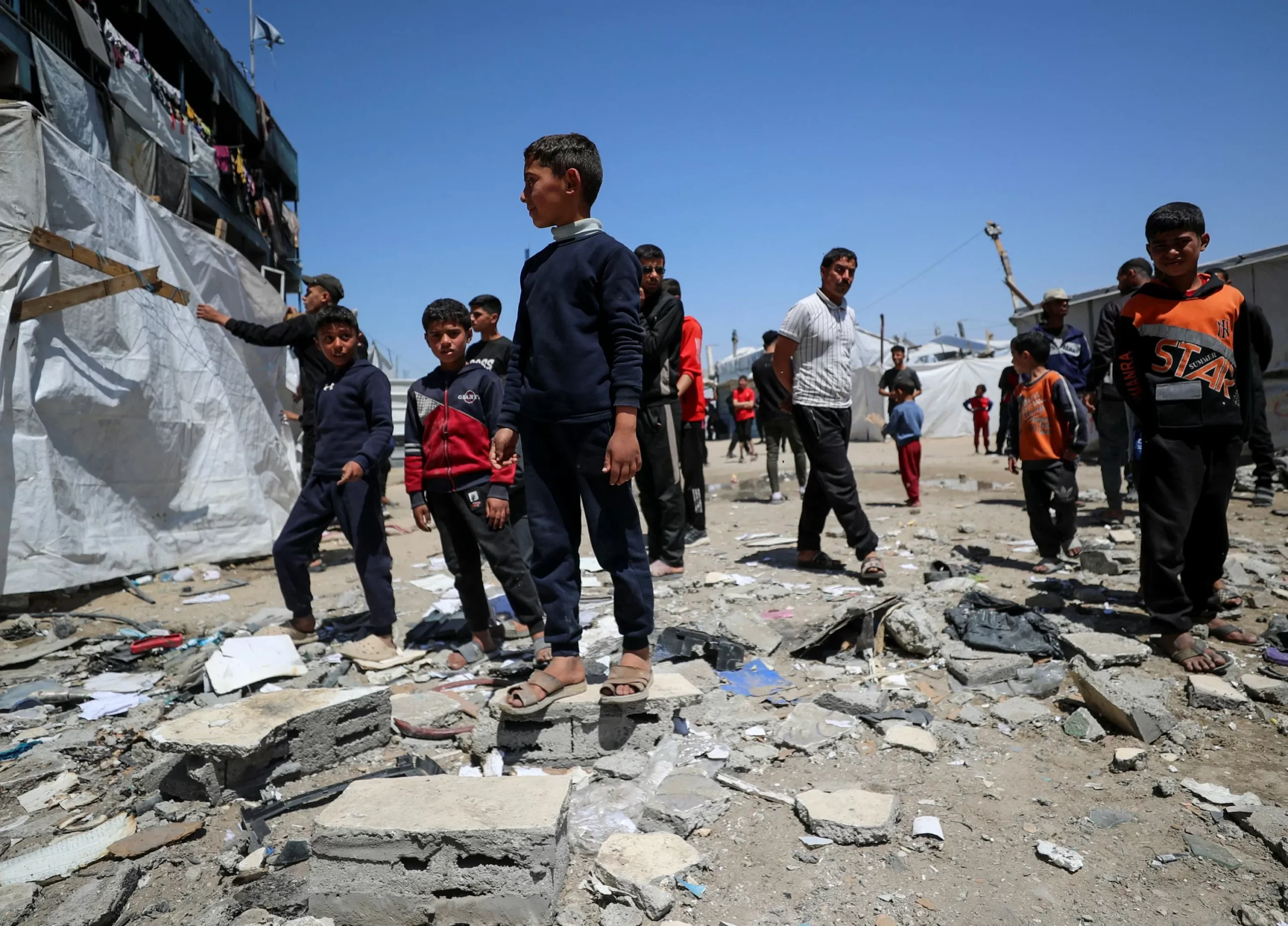
Hamas, the Palestinian militant group controlling the Gaza Strip, has once again rejected Israel’s latest cease-fire proposal. This comes as a disappointment to many who were hoping for an end to the ongoing conflict between Israel and Hamas. However, it is not surprising given Hamas’s stance on the matter.
The proposal, put forward by Egypt and backed by the United States and the United Nations, called for an immediate cessation of hostilities between Israel and Hamas, with the aim of reaching a lasting truce. In return, Israel would lift its blockade on Gaza and allow for the reconstruction of the war-torn territory. However, these terms were deemed unacceptable by Hamas.
Hamas has insisted on a total halt to the war, a full Israeli military withdrawal from Gaza, and a sweeping prisoner exchange. These demands seem unreasonable and unrealistic, especially when considering the current state of affairs in the region.
For decades, Hamas has been committed to the destruction of Israel and has engaged in numerous acts of violence and terrorism. Its charter states that “Israel will exist and will continue to exist until Islam will obliterate it.” This extremist ideology has been the root cause of the ongoing conflict and has resulted in the loss of countless lives on both sides.
Moreover, Hamas’s refusal to recognize Israel’s right to exist and renounce violence has hindered any chance of a lasting peace agreement. This latest rejection of the cease-fire proposal is just another example of Hamas’s unwillingness to engage in meaningful dialogue and work towards a peaceful resolution.
It is clear that Hamas is not interested in the well-being of the Palestinian people. The group’s leaders live comfortably in luxury while the people of Gaza suffer from poverty and lack of basic necessities. Instead of investing in the development of their territory, Hamas continues to divert funds and resources towards its militant activities.
In contrast, Israel has shown its commitment to reaching a peaceful solution. It has repeatedly agreed to cease-fires and has even allowed humanitarian aid to enter Gaza during the current conflict. Israel has also made significant efforts to target only Hamas militants and avoid civilian casualties, despite the group’s use of civilians as human shields.
Furthermore, Israel’s blockade of Gaza is not a form of punishment, as Hamas claims. It is a necessary security measure to prevent the smuggling of weapons and materials that could be used to harm Israeli citizens. Hamas’s insistence on an end to the blockade is a clear indication that the group values its own military agenda over the well-being of the people it claims to represent.
In light of Hamas’s rejection of the latest cease-fire proposal, it is time for the international community to take a firm stand against the group. The continued support and funding of Hamas only prolongs the conflict and puts innocent lives at risk.
It is crucial for Hamas to recognize that its extremist ideology and acts of violence will not lead to a better future for the Palestinian people. It is time for Hamas to put the needs of its people first and engage in genuine efforts towards peace and reconciliation.
In conclusion, Hamas’s rejection of Israel’s latest cease-fire proposal is a reminder of the group’s destructive agenda and its disregard for the well-being of the Palestinian people. It is time for Hamas to change its ways and work towards a peaceful resolution that will benefit all parties involved. The international community must also play its part in holding Hamas accountable and supporting efforts towards a lasting peace in the region. Only then can the people of Gaza finally have a chance for a better future.