

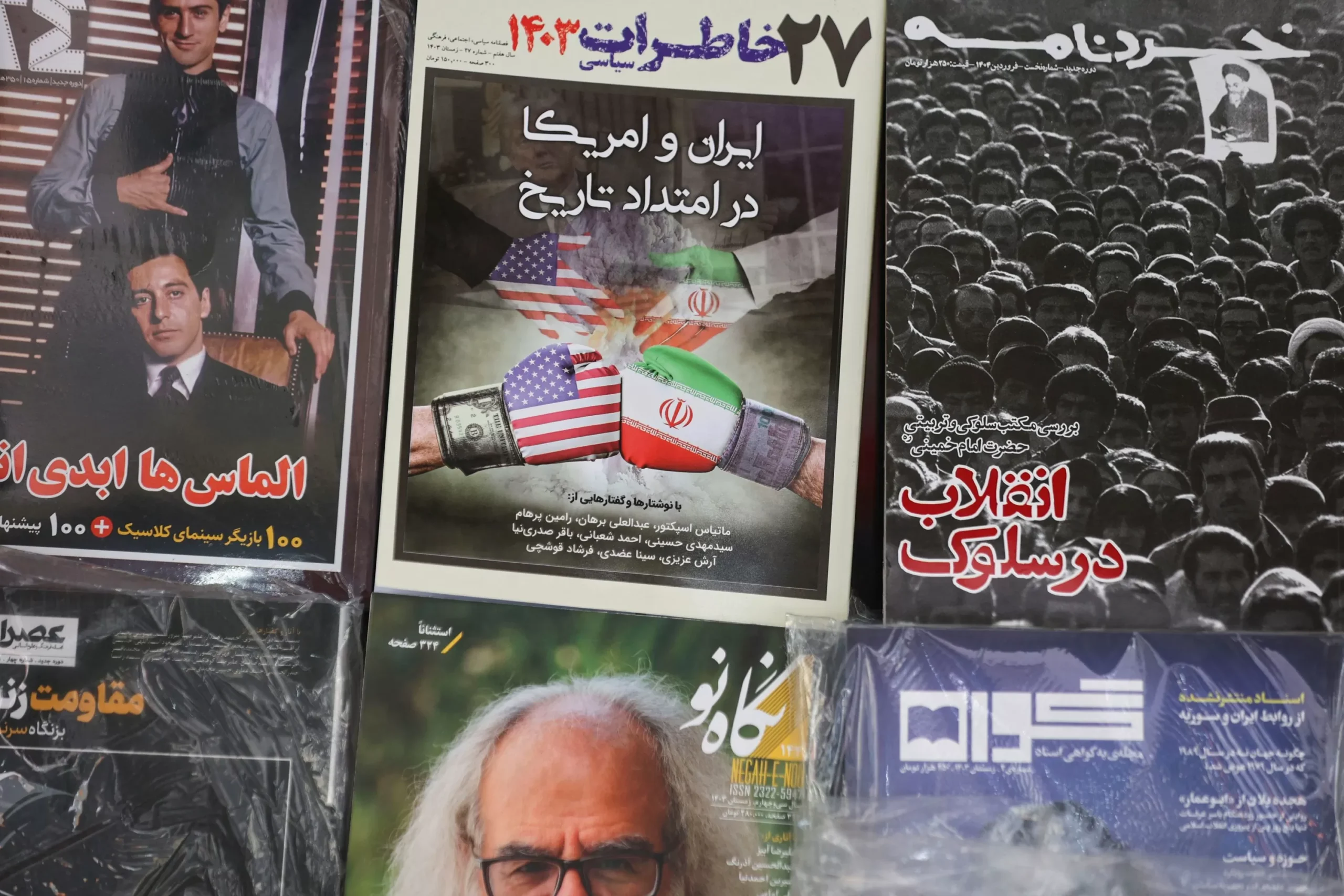
U.S. President Donald Trump has once again taken a strong stance against Iran, warning that sanctions will be imposed on any entity that purchases Iranian oil. This threat comes after the postponement of planned talks over Tehran’s nuclear program, further escalating tensions between the two nations.
In a tweet on Thursday, President Trump stated, “I have instructed the Secretary of the Treasury to substantially increase Sanctions on the country of Iran!” This statement was in response to Iran’s recent announcement that it had exceeded the limit on its stockpile of low-enriched uranium, a key component in nuclear weapons.
The United States has been at odds with Iran since President Trump withdrew from the 2015 nuclear deal, which aimed to limit Iran’s nuclear capabilities in exchange for lifting economic sanctions. The Trump administration has since reinstated sanctions on Iran, crippling its economy and causing widespread hardship for its citizens.
The postponement of talks between the two nations, which were scheduled for this week, has further strained relations. The talks were meant to address Iran’s nuclear program and find a way to ease tensions between the two countries. However, with the recent developments, it seems that the talks will not be happening anytime soon.
President Trump’s warning about sanctions on entities purchasing Iranian oil is a clear message to other countries that the United States will not tolerate any support for Iran’s economy. This move is in line with the Trump administration’s “maximum pressure” campaign against Iran, which aims to force the country to negotiate a new nuclear deal.
The threat of sanctions has already had an impact, with reports of several countries halting their purchases of Iranian oil. This includes China, India, and South Korea, who were previously major buyers of Iranian oil. The United States is also urging other countries to follow suit and stop buying oil from Iran.
President Trump’s tough stance on Iran has received support from his allies, including Saudi Arabia and Israel. Both countries have long been at odds with Iran and have welcomed the United States’ hardline approach towards the country.
However, critics of President Trump’s policies towards Iran argue that the sanctions and threats of further sanctions will only escalate tensions and push Iran towards developing nuclear weapons. They also point out that the United States’ withdrawal from the nuclear deal has left the country isolated, with other signatories of the deal still trying to salvage it.
Despite the criticism, President Trump remains firm in his stance towards Iran. He believes that the sanctions and pressure will force Iran to come back to the negotiating table and agree to a new deal that addresses not only its nuclear program but also its support for terrorist organizations and its ballistic missile program.
In the midst of all this, the people of Iran are the ones who are suffering the most. The reinstated sanctions have caused a sharp decline in the country’s economy, leading to high inflation, unemployment, and shortages of essential goods. The Iranian government has also been accused of using the sanctions as an excuse to suppress dissent and silence its critics.
It is clear that the situation between the United States and Iran is at a critical point. President Trump’s warning about sanctions on entities purchasing Iranian oil is a clear indication that the United States will not back down in its efforts to pressure Iran. However, it remains to be seen whether this approach will lead to a resolution of the issues between the two nations or further escalate tensions.



