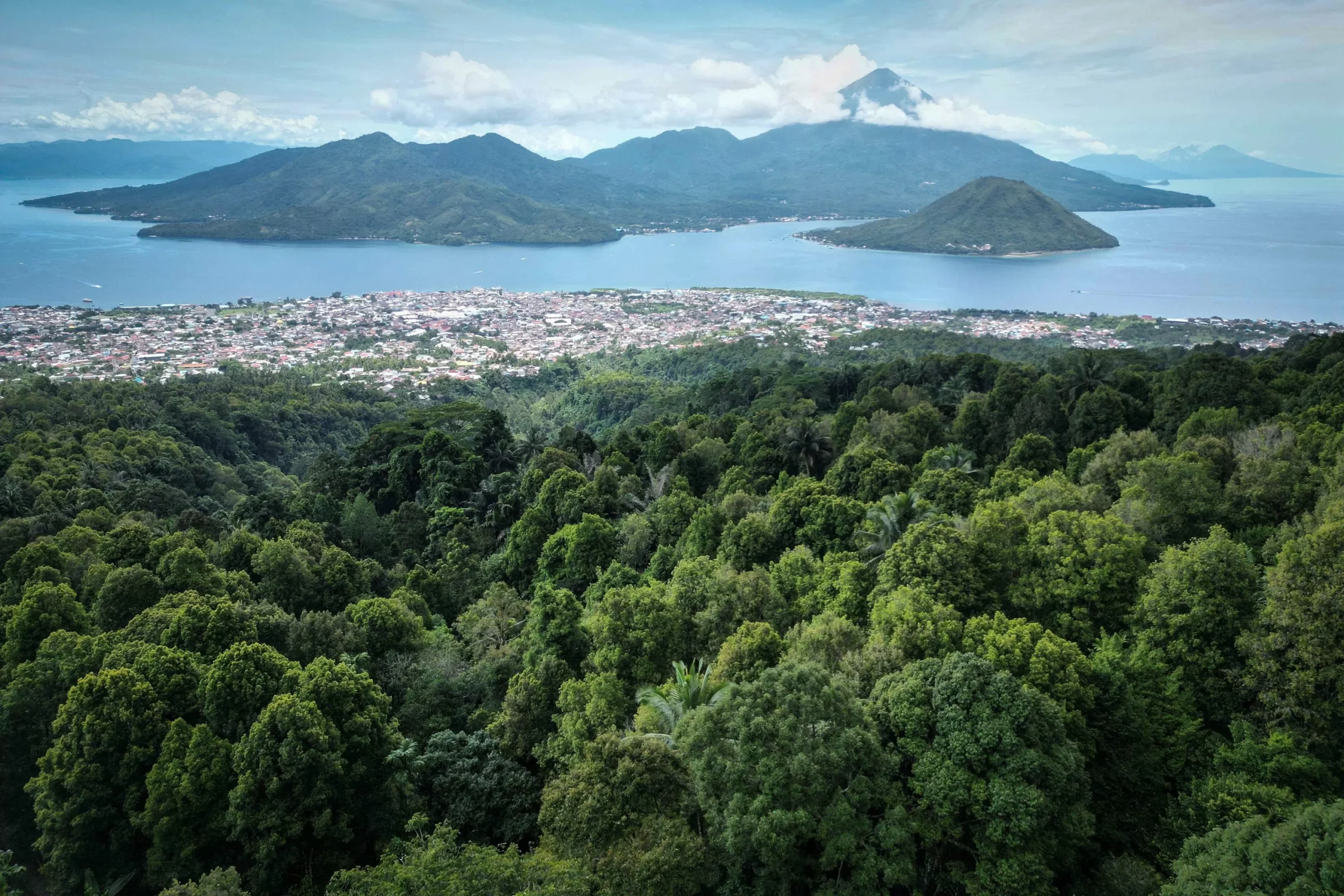
For centuries, the eastern Indonesian island of Ternate has been known for its prized crop of cloves. These small, aromatic flower buds have been a source of wealth and trade for the locals, but their journey to success has not been without challenges. In fact, the history of cloves on this island is a testament to the resilience and determination of the farmers who have fought against colonial powers to safeguard their livelihood.
During the 16th century, the Portuguese were the first to discover the island of Ternate and its abundance of cloves. They quickly realized the potential of this spice and began to establish a monopoly over its production and trade. However, the locals were not willing to give up their traditional way of growing and harvesting cloves, which had been passed down for generations. This led to conflicts and resistance from the farmers, who saw their livelihoods threatened by the colonial powers.
The Portuguese were not the only ones interested in the lucrative clove trade. The Dutch East India Company also set its sights on Ternate and began to establish its own monopoly over the production and trade of cloves. In order to maintain their control, the Dutch resorted to extreme measures, including destroying the clove trees grown by the locals. This was a devastating blow to the farmers, who relied on the cloves for their income and way of life.
Despite these challenges, the farmers of Ternate refused to give up. They found ways to hide and protect their clove trees, often planting them in remote and hard-to-reach areas. They also developed new techniques for growing and harvesting cloves, making it difficult for the colonial powers to maintain their monopoly. The farmers’ determination and resilience paid off, as they were able to continue growing and selling cloves, despite the efforts of the colonizers.
As time went on, the Dutch East India Company’s monopoly began to weaken, and eventually, the island of Ternate was handed over to the Dutch government. This marked a new era for the farmers, as they were able to freely grow and trade their cloves without fear of persecution. The Dutch government even encouraged the production of cloves, recognizing its importance to the local economy.
Today, the farmers of Ternate continue to grow and harvest cloves, using traditional methods that have been passed down for centuries. The island is still known for its high-quality cloves, which are in demand all over the world. The farmers take great pride in their work and are grateful for the opportunity to continue their traditional way of life.
In recent years, there has been a renewed interest in the traditional methods of growing and harvesting cloves on the island of Ternate. This has led to the development of sustainable and organic practices, which not only benefit the farmers but also the environment. The farmers are now able to sell their cloves at a premium price, as consumers are becoming more conscious of where their food comes from and how it is produced.
The story of cloves on the island of Ternate is a testament to the resilience and determination of the farmers who have fought against colonial powers to safeguard their livelihood. Today, they continue to thrive and contribute to the local economy, while preserving their traditional way of life. The once sought-after spice has not only brought economic prosperity to the island but also serves as a symbol of the strength and perseverance of its people.