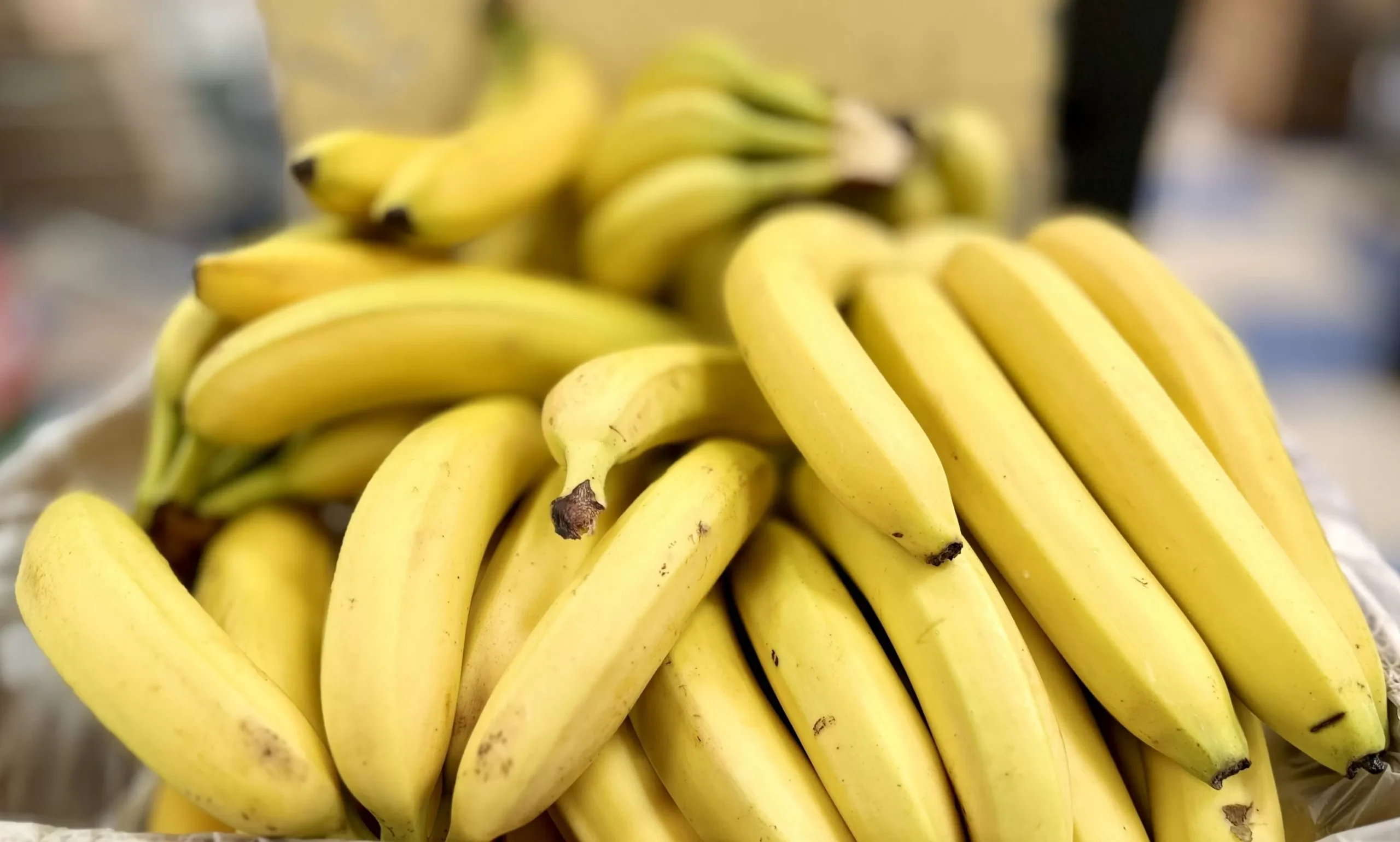
A recent study conducted by the Food and Agriculture Organization (FAO) has revealed alarming news for the banana industry in Latin America and the Caribbean. According to the study, nearly two-thirds of the banana-growing areas in the region may become unsuitable for banana production by 2080 due to the effects of climate change.
Bananas are a staple food in many countries in Latin America and the Caribbean, providing a source of income for millions of people. The region is responsible for 80% of the world’s banana exports, making it a vital player in the global market. However, the findings of this study highlight the urgent need for action to protect the future of banana production in the region.
The study, which was conducted over a period of five years, analyzed the impact of climate change on banana production in 23 countries in Latin America and the Caribbean. The results were alarming, with the researchers predicting that by 2080, the average temperature in the region will increase by 2.5 degrees Celsius, leading to a significant decrease in suitable land for banana cultivation.
One of the main factors contributing to this decline is the increase in extreme weather events such as hurricanes, floods, and droughts. These events not only damage banana crops but also affect the soil quality, making it unsuitable for future cultivation. In addition, the rise in temperature will also lead to an increase in pests and diseases, further threatening the banana industry.
The study also highlighted the vulnerability of small-scale banana farmers in the region. These farmers, who rely on banana production for their livelihoods, will be the most affected by the decline in suitable land for cultivation. This could have a devastating impact on their income and the local economies.
However, it’s not all doom and gloom. The study also suggests that there are measures that can be taken to mitigate the effects of climate change on banana production. One of the key solutions is the adoption of climate-smart agriculture practices. This includes using drought-resistant banana varieties, implementing better irrigation systems, and improving soil management techniques.
Governments in the region also have a crucial role to play in addressing this issue. They need to prioritize climate change adaptation and mitigation strategies, as well as provide support and resources to small-scale farmers. This could include financial assistance, access to technology, and training on climate-smart practices.
Furthermore, there is a need for collaboration between governments, farmers, and the private sector to find sustainable solutions for the banana industry. This could involve investing in research and development to develop new varieties of bananas that are more resilient to climate change.
It’s also essential for consumers to be aware of the impact of their choices on the environment. By choosing to buy sustainably grown bananas, consumers can support farmers who are implementing climate-smart practices and contribute to the preservation of the banana industry in the region.
The findings of this study serve as a wake-up call for all stakeholders involved in the banana industry in Latin America and the Caribbean. It’s time to take action and work together to ensure the future of banana production in the region. By implementing sustainable practices and investing in research and development, we can overcome the challenges posed by climate change and secure a prosperous future for the banana industry.
In conclusion, while the study’s findings may seem daunting, they also present an opportunity for positive change. By taking action now, we can protect the livelihoods of millions of people and preserve the vital role of Latin America and the Caribbean in the global banana market. Let’s work together to create a sustainable future for the banana industry in the region.