Untangling the “White Genocide” Narrative: From Propaganda to Punchline
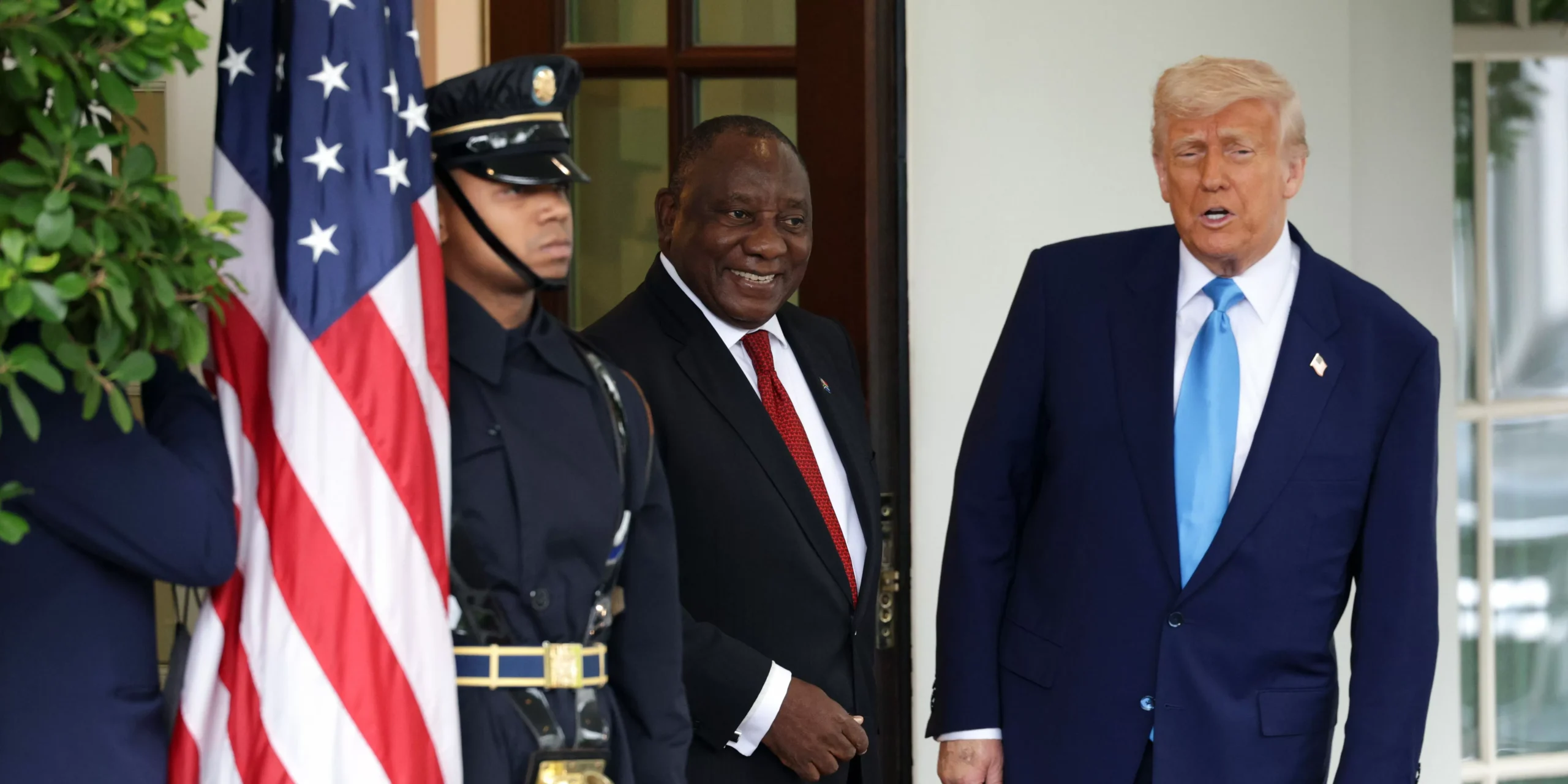
As South Africa’s President Cyril Ramaphosa meets with President Donald Trump in the White House, the issue of “white genocide” in South Africa has once again been brought to the forefront of international attention. However, what started as a serious concern has now become a punchline, thanks to Trump’s embrace of Afrikaner “refugees” and the subsequent reactions in South Africa.
The term “white genocide” has been used by some to describe the alleged systematic killing of white farmers in South Africa. This narrative has been perpetuated by far-right groups and individuals, both within and outside of South Africa, who claim that white South Africans are being targeted and killed because of their race. However, a closer look at the facts reveals a different story.
According to official statistics, the number of farm murders in South Africa has been on a steady decline since 2001. In fact, the number of farm murders in 2017 was the lowest it has been in 20 years. This is not to say that farm murders do not occur, but the idea of a “white genocide” is simply not supported by the evidence.
So why has this narrative gained so much traction? The answer lies in the power of propaganda. By spreading false information and fear-mongering, those who push the “white genocide” narrative are able to manipulate people’s emotions and create a sense of urgency and danger. This is a tactic that has been used throughout history to justify discrimination and violence against marginalized groups.
But what happens when the truth is exposed and the narrative falls apart? In the case of South Africa, it has become a punchline. Trump’s recent tweet about “large-scale killing of farmers” in South Africa was met with widespread ridicule and mockery in the country. South Africans took to social media to share humorous memes and sarcastic comments, highlighting the absurdity of the “white genocide” narrative.
This reaction is not surprising, considering the history of South Africa and the legacy of apartheid. The idea of white South Africans being the victims of genocide is not only false, but it also ignores the centuries of oppression and violence that black South Africans have endured. It is a narrative that seeks to paint white South Africans as the victims, while erasing the experiences of the majority of the population.
Furthermore, Trump’s embrace of Afrikaner “refugees” has only added to the absurdity of the situation. The idea of white South Africans seeking refuge in the United States, a country built on immigration and diversity, is ironic to say the least. It also ignores the fact that South Africa is a diverse country, with people of different races and backgrounds living together.
The reality is that South Africa is a country still grappling with the effects of its past. It is a country that is working towards reconciliation and equality for all its citizens. The “white genocide” narrative only serves to divide and distract from the real issues that need to be addressed.
As President Ramaphosa meets with President Trump, it is important to remember that the “white genocide” narrative is nothing more than a dangerous and false propaganda tool. It is time to untangle this narrative from the truth and focus on building a better future for all South Africans.
In conclusion, the “white genocide” narrative has been exposed for what it truly is – a propaganda tool used to spread fear and division. It is time to move past this narrative and focus on the real issues facing South Africa. Let us not allow it to become a punchline, but rather a reminder of the power of propaganda and the importance of seeking the truth. As South Africans, we must continue to work towards a united and equal society, where all are valued and respected regardless of race.