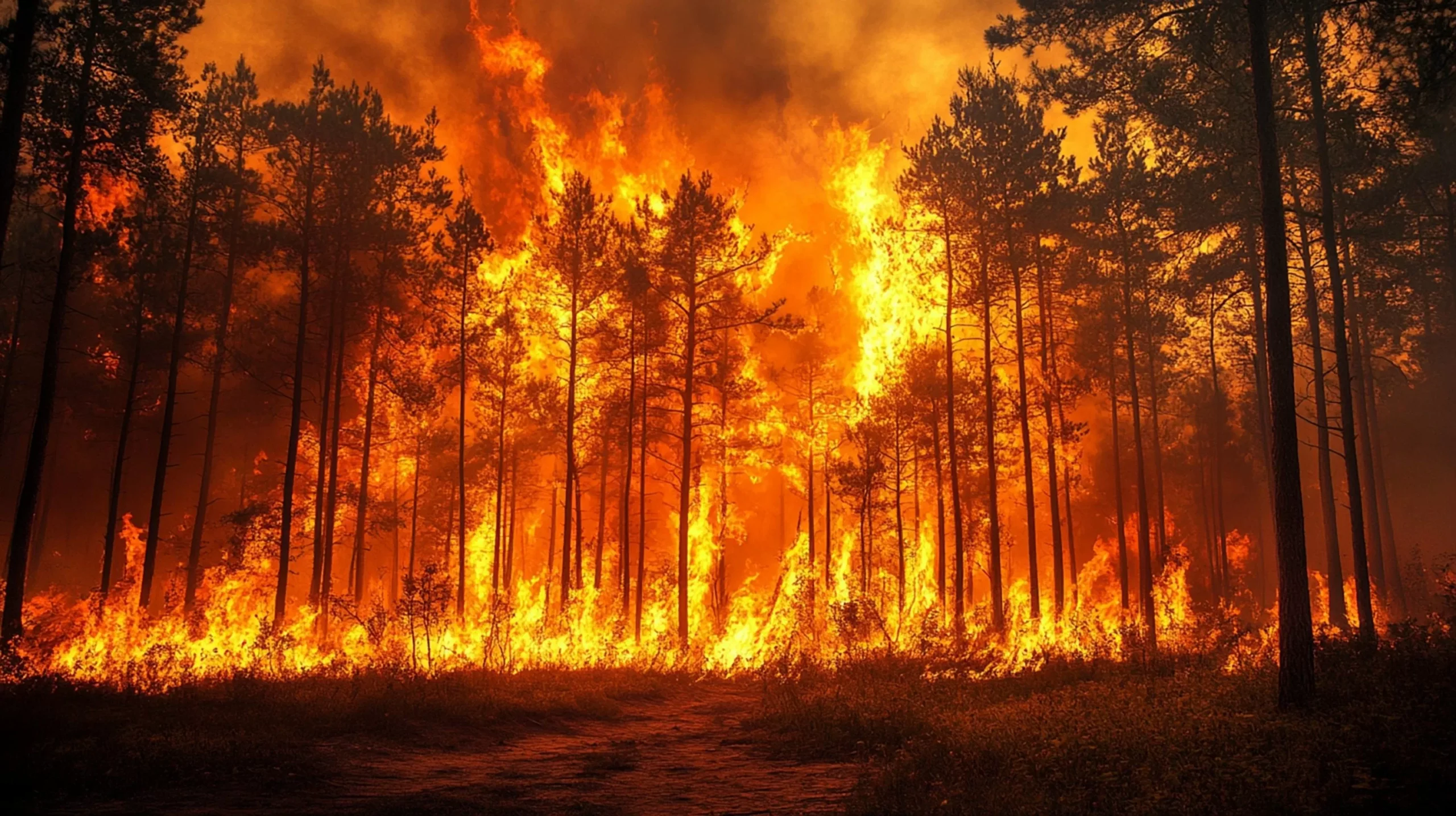
Eighteen football pitches. Every minute. Of every hour. Of every day. That is the staggering rate at which the world’s tropical rainforests were destroyed last year. According to a recent report by Global Forest Watch, an area equivalent to 30 soccer fields was lost every sixty seconds, making it the worst year on record for tropical rainforest destruction. A major contributing factor to this alarming statistic was the surge in fires that ravaged the rainforests, fueled by the effects of climate change and human activity.
The rainforests, often referred to as the “lungs of the Earth”, are vital for the health of our planet. They cover only 2% of the Earth’s surface, yet they are home to over 50% of the world’s plant and animal species. They are also a crucial source of oxygen and play a crucial role in regulating the Earth’s climate. However, despite their importance, these precious ecosystems are under constant threat.
The fires that swept through the rainforests in 2019 were largely caused by human activity such as deforestation for agricultural purposes, illegal logging, and land clearing for development. The dry and hot conditions brought on by climate change also exacerbated the situation, making the rainforests more susceptible to fires. These fires not only destroy trees and vegetation, but they also release massive amounts of carbon dioxide into the atmosphere, contributing to the global climate crisis.
The devastating effects of this destruction cannot be overstated. The loss of biodiversity, both plant, and animal, has a ripple effect on the delicate balance of our ecosystems. The destruction of these ecosystems also has a direct impact on the indigenous communities who depend on the rainforests for their way of life. And the release of carbon dioxide into the atmosphere only adds to the already urgent issue of climate change.
But despite the grim statistics and the dire consequences, there is still hope. The destruction of the rainforests is not a foregone conclusion. There are actions that we can take to protect and restore these vital ecosystems.
One of the most crucial steps we can take is to address the root cause of the problem – human activity. The demand for resources such as timber, palm oil, and cattle has driven deforestation in the rainforests. By making conscious choices as consumers, we can reduce the demand for these products and discourage destructive practices. Supporting sustainable and ethical companies that prioritize the protection of the rainforests is another way to make a positive impact.
Governments also play a pivotal role in protecting the rainforests. They have the power to enforce laws that regulate deforestation and hold companies and individuals accountable for their actions. They can also provide incentives for companies to adopt sustainable practices and protect the rainforests. It is crucial for governments to prioritize the protection of these vital ecosystems and take immediate action to address the issue.
In addition, reforestation efforts are essential in restoring the damaged rainforests. Planting trees not only helps to absorb carbon dioxide from the atmosphere but also provides habitat for wildlife and helps to regulate the local climate. Many organizations are working to restore the rainforests through reforestation projects, and supporting these initiatives can have a significant impact.
Education and awareness also play a crucial role in protecting the rainforests. By educating ourselves and others about the importance of these ecosystems and the actions we can take to protect them, we can create a global movement for change. Every individual has the power to make a difference, and by working together, we can make a positive impact on the future of our rainforests.
The destruction of eighteen football pitches of tropical rainforest every minute is a shocking and alarming statistic. But it is not too late to take action. We have the power to protect and restore these vital ecosystems. Let us come together and make a positive change for the future of our planet. We owe it to ourselves and to future generations to preserve and protect the beauty and diversity of our rainforests.