In today’s world, the media plays a significant role in shaping public opinion and influencing the way people perceive certain issues. With the rise of social media and 24-hour news coverage, the power of the media has only increased. As a result, it is crucial for media professionals to exercise caution and responsibility when discussing complex and sensitive topics such as the situation in Palestine.
The conflict between Israel and Palestine has been ongoing for decades, with no clear resolution in sight. It is a complicated and delicate situation that evokes strong emotions and deeply held beliefs on both sides. As such, it is essential for the media to approach it with sensitivity, accuracy, and objectivity.
The first and most crucial step in writing about Palestine is to educate yourself on the history and background of the conflict. It is essential to understand both sides of the issue and avoid any biases or misinformation. As a journalist, it is your responsibility to provide accurate and factual information to your readers or viewers. As the saying goes, “facts are sacred, but comment is free.”
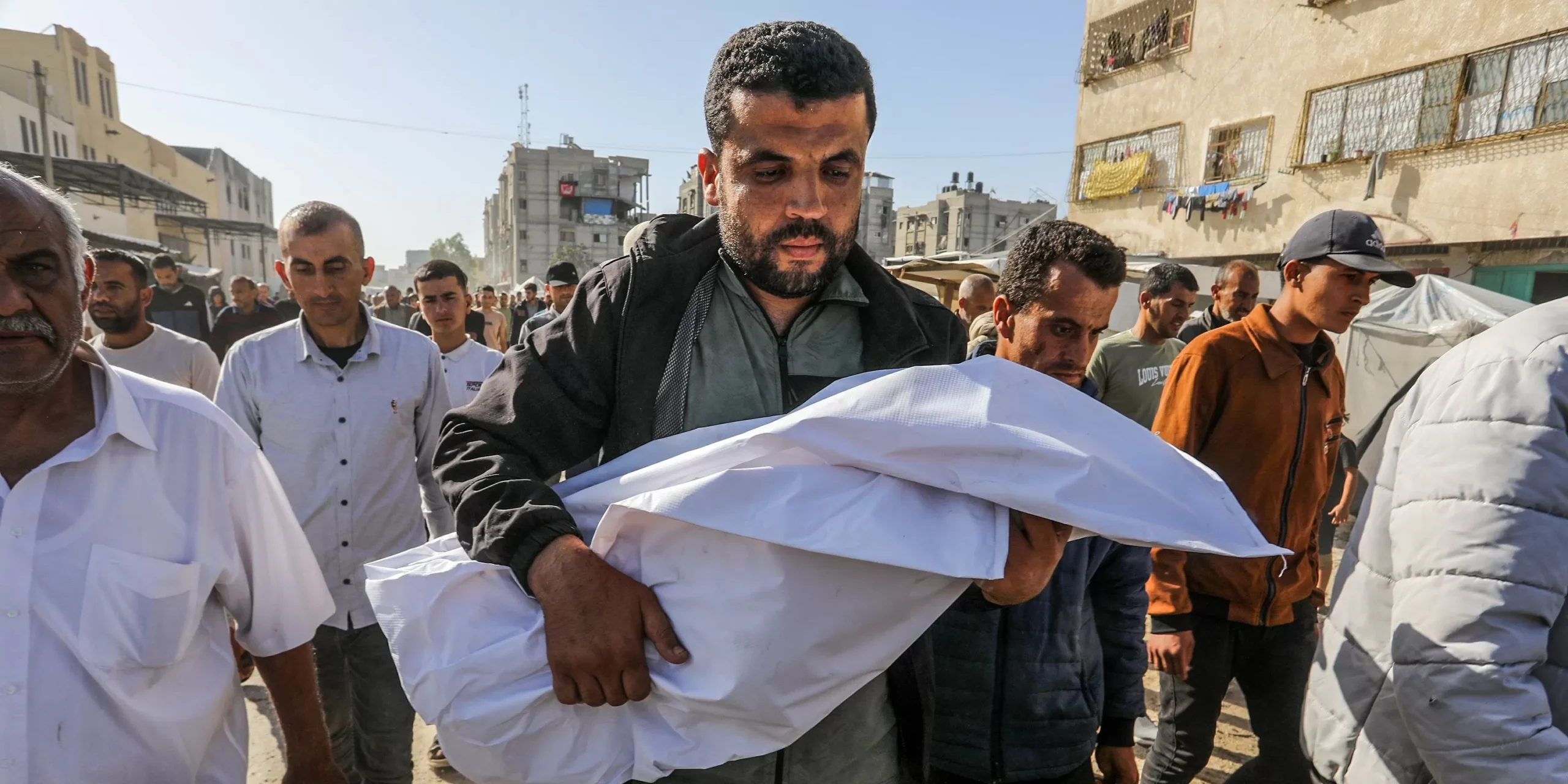
In the pursuit of objectivity, it is crucial to present all sides of the story. This means giving equal representation to both the Israeli and Palestinian perspectives. The media should not favor one side over the other, as it can lead to further polarization and misinformation. It is also essential to give a voice to the people affected by the conflict, including civilians, refugees, and human rights organizations. Their stories and experiences can provide a human touch to the coverage and help readers understand the impact of the conflict.
Sensationalism and exaggeration have no place in responsible media coverage. It is essential to avoid using provocative or inflammatory language that can incite hatred or violence. Instead, journalists should strive for balanced and objective reporting that presents the facts without bias. Furthermore, it is crucial to fact-check all information before publishing to avoid spreading false or misleading information.
In discussing the situation in Palestine, it is crucial to refrain from reducing it to a simple “us vs. them” narrative. The reality is much more complex, and there are no easy answers or solutions. By oversimplifying the conflict, the media can perpetuate stereotypes and misconceptions, which can fuel tensions and hinder progress towards peace.
Moreover, it is vital to respect the sensitivity of the issue when reporting on it. The conflict has caused immense suffering and loss of life for both Israelis and Palestinians. As such, it is essential to show empathy and refrain from sensationalizing or exploiting the pain of those affected for the sake of a headline. Responsible journalism should always prioritize human dignity and respect for all parties involved.
Finally, it is essential to remember that the media has a significant role in shaping public perception and can influence the outcome of the conflict. It is, therefore, crucial to use this power responsibly and avoid perpetuating biases or promoting a particular agenda. Instead, the media should strive to educate, inform, and foster understanding and empathy among its audience.
In conclusion, the situation in Palestine is a complex and sensitive issue that requires responsible and ethical media coverage. As media professionals, it is our duty to present accurate, balanced, and objective information to our audience. We must refrain from sensationalism, oversimplification, and bias, and instead strive for empathy, understanding, and peace. By following these guidelines, we can contribute to a more informed and educated public discourse on this complicated topic.