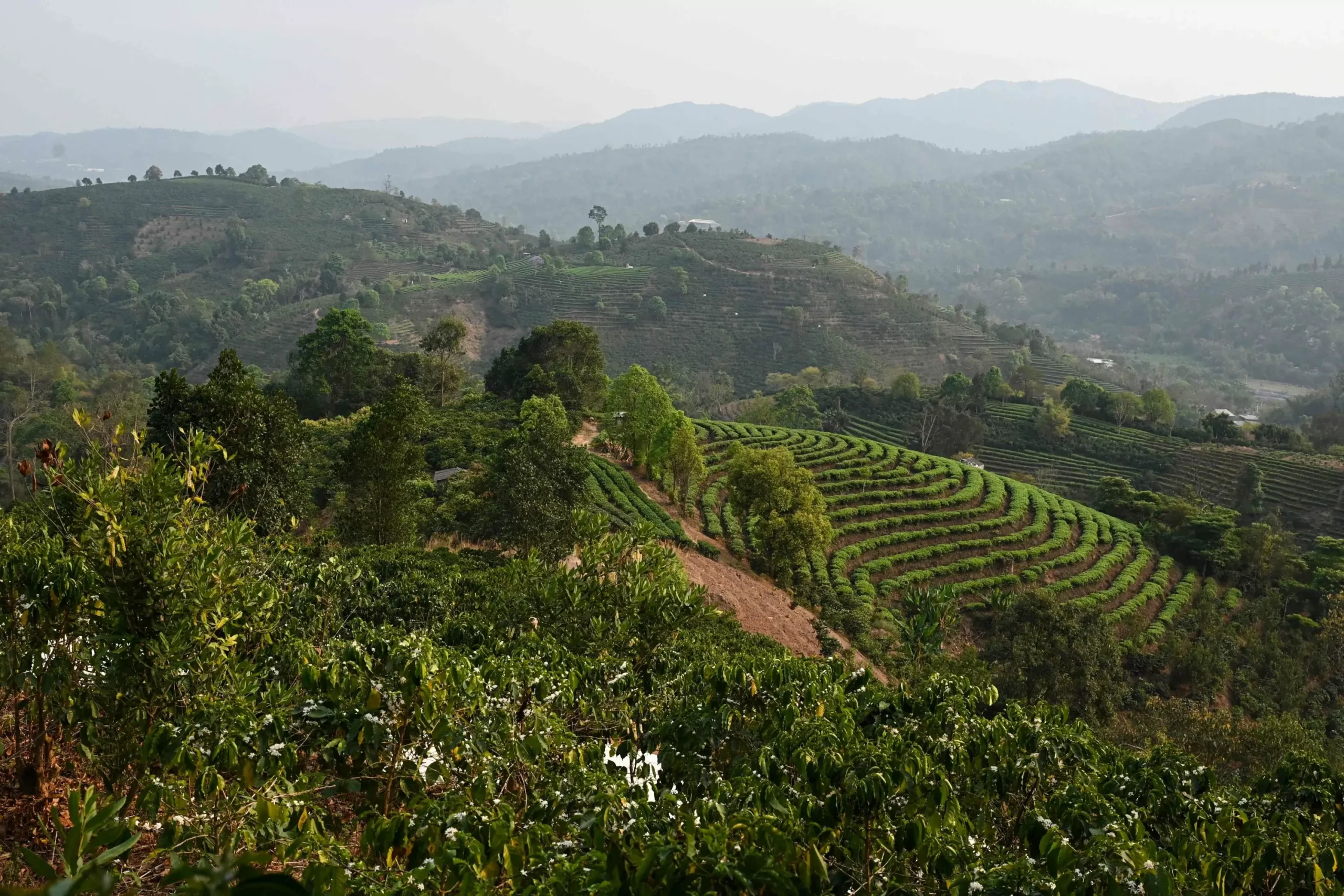
The Food and Agriculture Organization of the United Nations (FAO) has recently released a report that highlights a troubling issue facing the global tea industry. According to the report, tea cultivation is facing numerous challenges that could have a major impact on its future. As one of the most widely consumed beverages in the world, this is a cause for concern not only for tea lovers, but also for farmers and producers whose livelihoods depend on tea production.
Ayşegül Selışık, assistant FAO Representative, has emphasized the urgency of addressing the issues raised in the report. In a recent statement, she states, “The global tea industry is at a critical juncture. The challenges facing tea cultivation are complex and require immediate attention from all stakeholders.”
One of the main issues highlighted in the report is the impact of climate change. As weather patterns become increasingly unpredictable, tea crops are facing challenges such as drought, floods, and extreme temperatures. This not only affects the quantity of tea produced, but also its quality. In addition, climate change also brings about the spread of pests and diseases, further threatening the health of tea plants.
Another pressing concern is the aging tea plantations in many countries. The report states that almost half of the world’s tea plantations are over 25 years old, with some even approaching 100 years. This poses a significant risk to the sustainability of tea production as older plants are less efficient and more vulnerable to diseases.
Furthermore, the report highlights the issue of low productivity in many tea producing countries. This is due to a lack of modern agricultural practices and technologies, as well as limited access to credit and markets for smallholder farmers. The low productivity not only affects the income of farmers, but also the supply and quality of tea in the global market.
To address these challenges, the FAO is calling for urgent action from all stakeholders in the tea industry. This includes governments, international organizations, the private sector, and consumers. In the face of climate change, it is crucial for governments to implement policies and strategies that support sustainable tea production. This includes promoting the use of climate-resilient technologies and providing support for the diversification of crops to reduce dependence on tea.
The private sector also has a crucial role to play in promoting sustainability in the tea industry. This includes investing in research and development of new and more efficient production methods, as well as promoting fair trade and ethical practices. Companies can also support smallholder farmers by providing access to training, credit, and markets.
Consumers also have a role to play in ensuring the future sustainability of tea production. By choosing products that are sustainably produced and supporting ethical and fair trade practices, consumers can have a significant impact on the tea industry. In addition, reducing food waste and consuming tea in a responsible manner can also contribute to a more sustainable future for the industry.
Ayşegül Selışık stresses that these challenges facing the tea industry are not insurmountable. She emphasizes the need for collaboration and cooperation among all stakeholders to find solutions that will ensure the long-term sustainability of tea cultivation. She remarks, “With collective efforts, we can overcome these challenges and build a resilient and sustainable tea industry that can provide livelihoods for millions and satisfy the growing demand for tea worldwide.”
In conclusion, the report released by the FAO serves as a stark warning about the future of tea cultivation worldwide. Climate change, aging plantations, and low productivity are all pressing issues that require immediate action. However, by working together and implementing sustainable practices, we can ensure a bright and prosperous future for the tea industry. Let us all take action and do our part to support this valuable and beloved beverage.