Israel has announced plans to establish 22 new Jewish settlements in the occupied West Bank, a move that has sparked controversy and deepened tensions in the region. The announcement, made on Thursday, also includes the retroactive legalization of unauthorized outposts, a decision that has been met with criticism from the international community.
The decision to expand settlements in the West Bank has been met with both support and opposition within Israel. Supporters argue that these settlements are necessary for the security and growth of the Jewish state, while opponents argue that they are illegal under international law and hinder the possibility of a two-state solution with the Palestinians.
The announcement comes at a time when tensions between Israel and the Palestinians are already high. Just last month, the United States recognized Jerusalem as the capital of Israel, a move that was met with widespread condemnation from the international community. The status of Jerusalem is a highly contentious issue, with both Israel and the Palestinians claiming it as their capital.
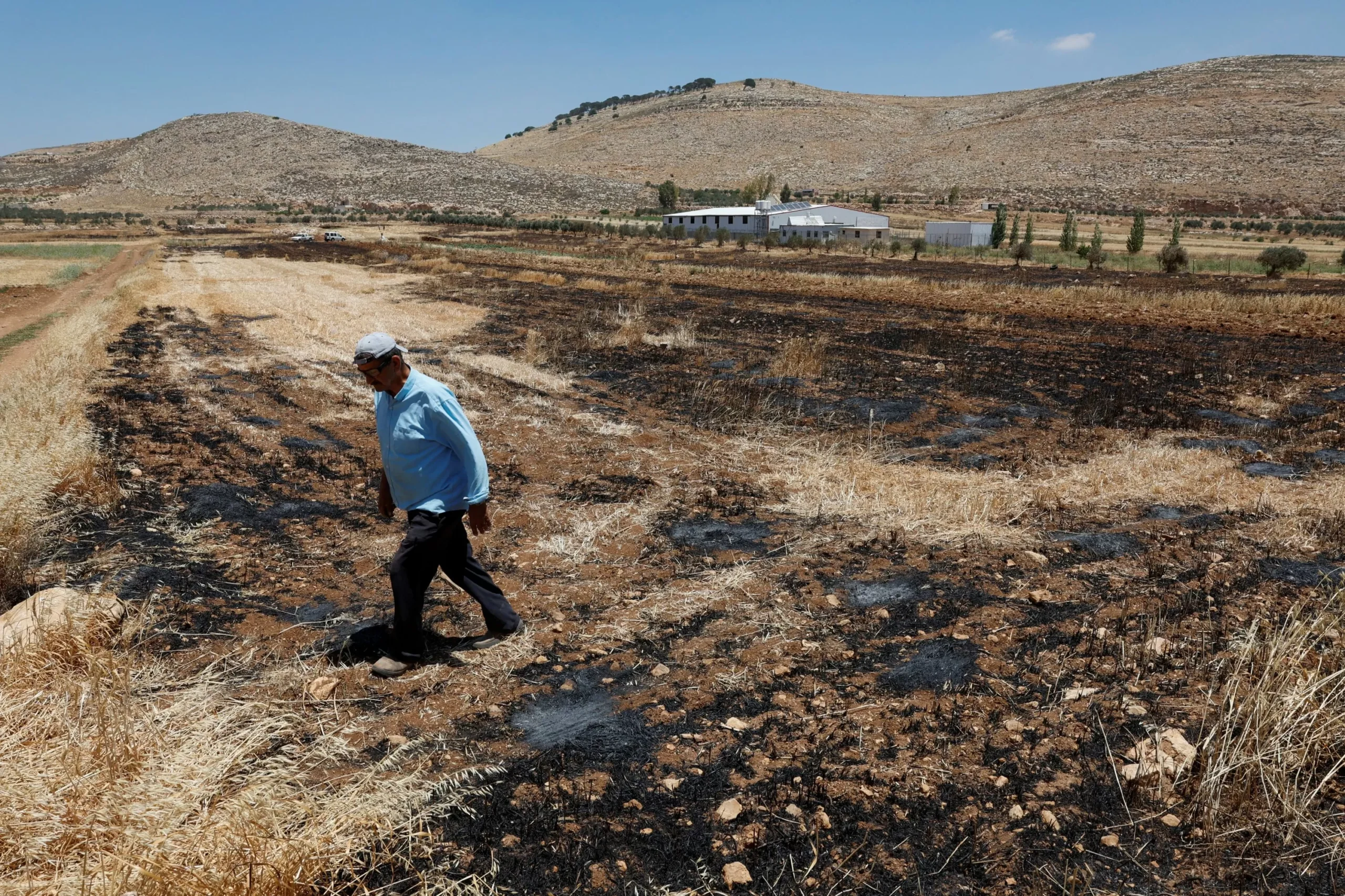
The new settlements will be built in areas that are currently under Israeli control in the West Bank, which is considered occupied territory by the international community. This move is seen as a further encroachment on Palestinian land and a hindrance to the possibility of a future Palestinian state.
In addition to the establishment of new settlements, the Israeli government also announced the retroactive legalization of unauthorized outposts. These outposts, which are often built without proper permits, have been a source of tension between Israel and the Palestinians for years. The decision to legalize them has been met with criticism from the international community, who see it as a violation of international law.
The announcement has also been met with strong opposition from the Palestinian Authority, who have condemned the move as a blatant disregard for international law and a hindrance to the peace process. Palestinian officials have called on the international community to take action against Israel’s expansion of settlements in the West Bank.
The United Nations has also expressed concern over the announcement, with Secretary-General Antonio Guterres stating that the decision “undermines the two-state solution and the prospects for peace.” The European Union has also condemned the move, stating that it “threatens the viability of the two-state solution and the prospects for a lasting peace.”
Despite the criticism, the Israeli government remains firm in its decision to expand settlements in the West Bank. Prime Minister Benjamin Netanyahu has defended the move, stating that “we are building and we will continue to build.” He also argued that the settlements are necessary for the security and growth of Israel.
The announcement has also been met with support from some within Israel, particularly from the settler community. They see the expansion of settlements as a way to strengthen Israel’s hold on the West Bank and ensure its security.
However, the decision has been met with widespread condemnation from the international community, who see it as a major obstacle to peace in the region. The expansion of settlements in the West Bank has long been a contentious issue, and this latest announcement has only added fuel to the fire.
In conclusion, Israel’s announcement to establish 22 new Jewish settlements in the occupied West Bank, along with the retroactive legalization of unauthorized outposts, has sparked controversy and deepened tensions in the region. The move has been met with strong opposition from the international community, who see it as a violation of international law and a hindrance to the peace process. It remains to be seen how this decision will impact the already fragile situation in the region, but one thing is certain – it has only added to the complexity of the Israeli-Palestinian conflict.