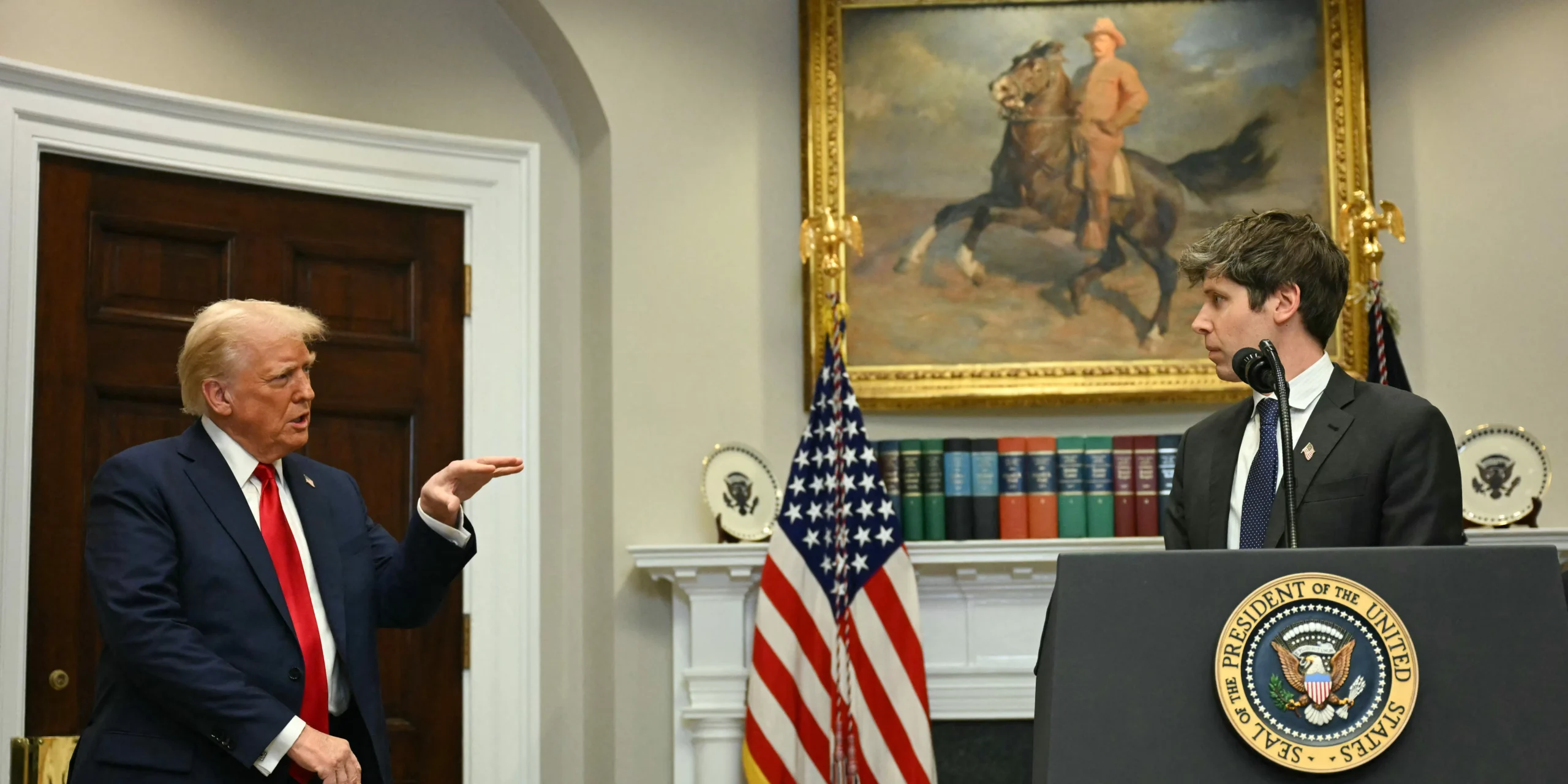
In a bold move, OpenAI has submitted a paper directly to the Trump administration, outlining a strategy to divide the world into camps based on U.S. tech interests. This proposal, titled “Ranking the World on U.S. Tech Interests,” has sparked both excitement and controversy within the tech community.
OpenAI, a non-profit artificial intelligence research company, has been at the forefront of developing cutting-edge technologies that have the potential to revolutionize industries and improve our daily lives. With their latest proposal, they are taking their mission to the next level by advocating for a global ranking system that would prioritize U.S. tech interests.
The paper argues that the U.S. is currently facing a new kind of Cold War, one that is centered around technology and innovation. In this new era, countries are competing not only for military power, but also for dominance in the tech sector. And according to OpenAI, the U.S. is falling behind.
The proposal suggests that the U.S. should take a more aggressive approach in protecting its tech interests by dividing the world into three camps: allies, neutral countries, and adversaries. The ranking would be based on each country’s level of cooperation and alignment with U.S. tech interests.
This idea has been met with mixed reactions. Some see it as a necessary step to ensure the U.S. remains a leader in the tech industry, while others view it as a dangerous and divisive move that could lead to further tensions between countries.
But OpenAI is not backing down from their proposal. They argue that the U.S. needs to take a more strategic and proactive approach in protecting its tech interests, rather than simply reacting to threats from other countries. By ranking countries based on their alignment with U.S. tech interests, the U.S. can better identify potential allies and adversaries, and take appropriate actions to strengthen its position in the global tech landscape.
The proposal also highlights the importance of investing in research and development to maintain a competitive edge in the tech industry. OpenAI believes that the U.S. government should increase funding for AI research and development, as well as provide incentives for companies to invest in emerging technologies.
Critics of the proposal argue that it could lead to a new form of technological imperialism, where the U.S. uses its power to control and dominate the tech industry globally. They also raise concerns about the potential for retaliation from countries that are not ranked as allies.
However, OpenAI maintains that their proposal is not about domination, but rather about protecting U.S. interests and maintaining a level playing field in the global tech market. They believe that by working together with other countries, the U.S. can foster innovation and drive progress in the tech industry for the benefit of all.
The proposal has caught the attention of the Trump administration, with some officials expressing interest in exploring the idea further. However, it remains to be seen if the proposal will be implemented and how it will be received by other countries.
In conclusion, OpenAI’s proposal to rank the world on U.S. tech interests is a bold and controversial move that has sparked important discussions about the role of technology in global politics. While there are valid concerns about the potential consequences of such a ranking system, it also presents an opportunity for the U.S. to take a more proactive approach in protecting its tech interests and maintaining its position as a leader in the industry. Only time will tell if this proposal will become a reality, but one thing is for sure – it has certainly sparked a new conversation about the intersection of technology and international relations.