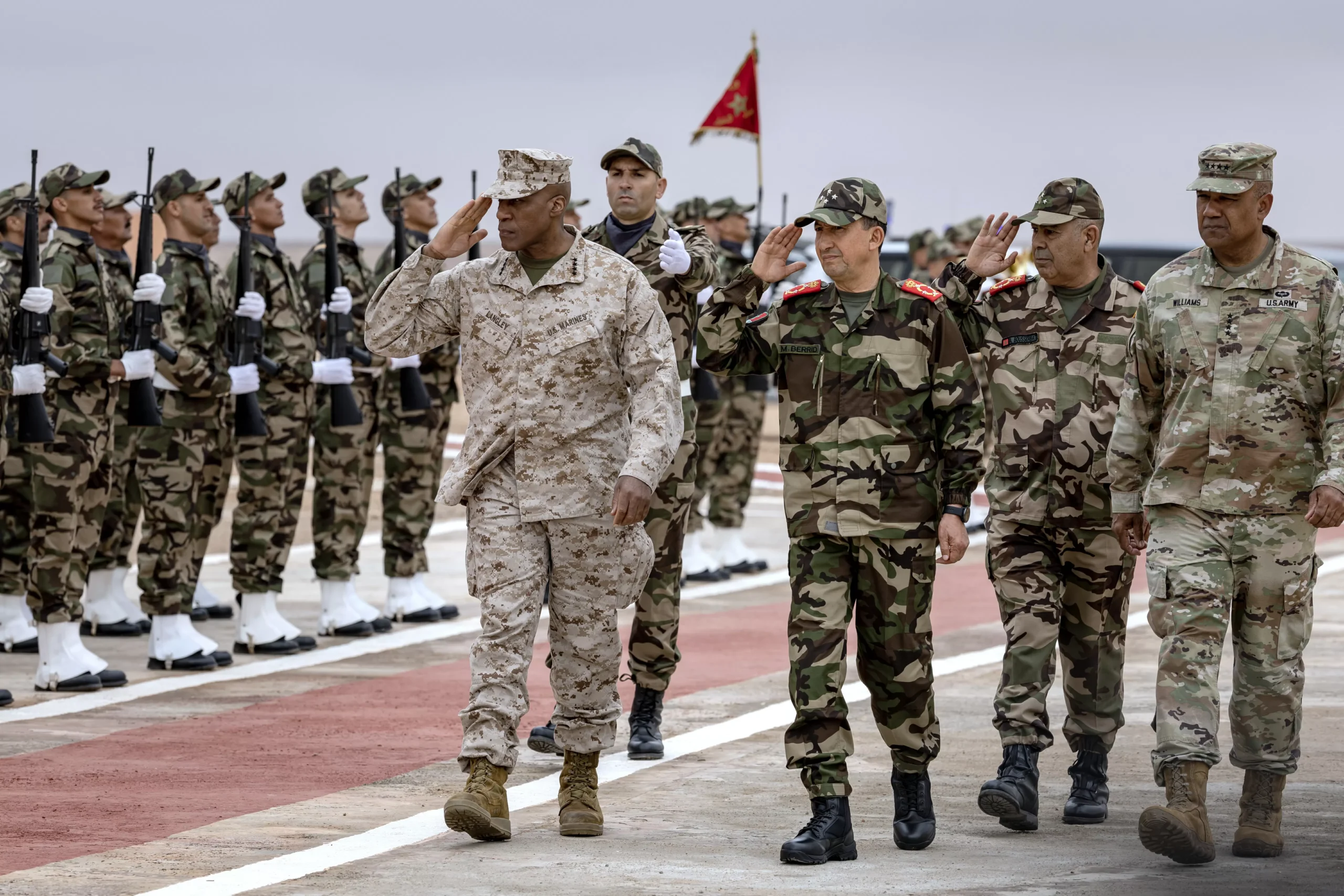
After two decades of failed counterterrorism efforts, the Trump administration is considering shutting down U.S. Africa Command (AFRICOM), the military command responsible for operations in Africa. This decision comes after the top U.S. general in Africa, General Thomas Waldhauser, painted a grim picture of the U.S. military’s failures in the continent.
In a recent interview with The Intercept, General Waldhauser revealed that the U.S. has not been successful in its efforts to combat terrorism in Africa. He stated that despite the presence of U.S. troops and resources, extremist groups such as Boko Haram and Al-Shabaab continue to pose a threat to the region. This admission by the top U.S. military official in Africa is a clear indication that the current approach to counterterrorism in the continent is not working.
Since its establishment in 2007, AFRICOM has been tasked with promoting U.S. national security interests in Africa through military operations and partnerships with African countries. However, the command has faced criticism for its lack of transparency and accountability, as well as its heavy reliance on military solutions to complex issues.
The decision to consider shutting down AFRICOM is a bold move by the Trump administration, and it is a step in the right direction. For too long, the U.S. has relied on a military-first approach to address the challenges in Africa, neglecting the root causes of conflict and instability. This has only exacerbated the situation and led to more violence and suffering for the people of Africa.
By shuttering AFRICOM, the U.S. can shift its focus towards addressing the underlying issues that fuel extremism and terrorism in the continent. This includes addressing poverty, corruption, and political instability, as well as promoting good governance and human rights. These are long-term solutions that will have a lasting impact on the region and contribute to a more stable and secure Africa.
Moreover, the closure of AFRICOM will also send a strong message to African countries that the U.S. is committed to working with them as partners, rather than imposing its military presence on them. This will help to rebuild trust and improve diplomatic relations between the U.S. and African nations.
It is also worth noting that the U.S. is not the only country with a military presence in Africa. China, Russia, and other global powers have also been increasing their military presence in the continent, which has raised concerns about a potential arms race and increased tensions. By shutting down AFRICOM, the U.S. can set an example for other countries to follow and promote a more peaceful and cooperative approach to addressing security challenges in Africa.
Of course, the decision to close AFRICOM will not be without its challenges. There are concerns about the potential impact on U.S. allies and partners in the region, as well as the fate of the thousands of U.S. troops currently stationed in Africa. However, these issues can be addressed through careful planning and coordination with African countries and other stakeholders.
In conclusion, the Trump administration’s consideration to shutter AFRICOM is a positive step towards addressing the failures of U.S. counterterrorism efforts in Africa. It is time for the U.S. to adopt a more holistic and sustainable approach to promoting peace and stability in the continent. By closing AFRICOM, the U.S. can pave the way for a more effective and collaborative approach to addressing the challenges facing Africa. Let us hope that this decision will lead to a brighter and more peaceful future for the people of Africa.