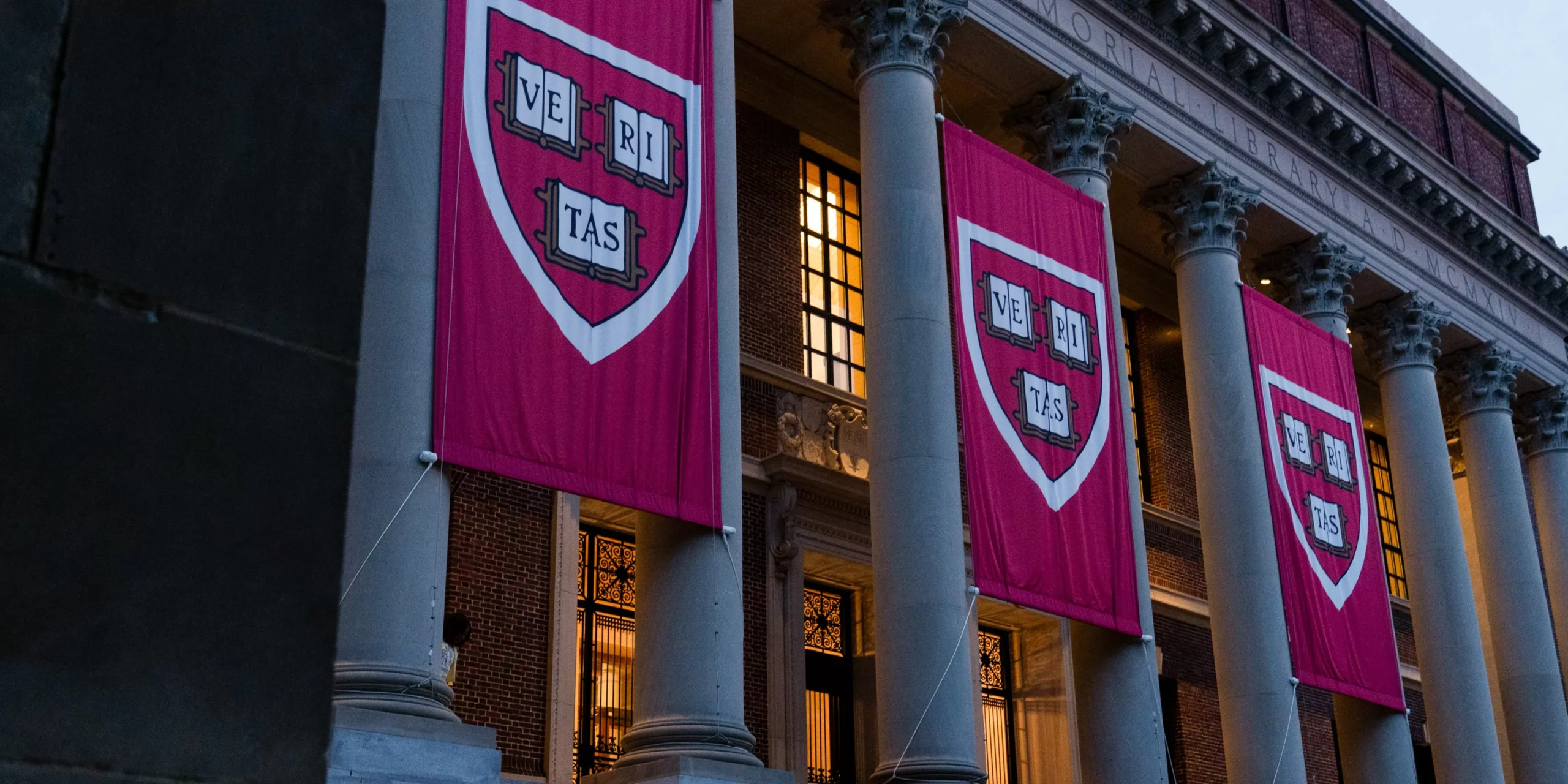
Harvard University has long been regarded as one of the most prestigious and progressive institutions in the world. With its rich history and commitment to academic excellence, it has consistently been at the forefront of social and political change. However, recent events have shed light on a darker side of this renowned institution.
In a shocking turn of events, it has been revealed that Harvard’s practices are at odds with the public perception that the university is fighting against the divisive policies of the Trump administration. This revelation has come from none other than the insiders of Harvard’s Divinity School, who have spoken out about the university’s refusal to publish a speech that mentioned the ongoing crisis in Gaza.
The controversy began when the Divinity School invited a prominent activist and humanitarian to deliver the commencement speech at their graduation ceremony. This speaker, who has dedicated her life to advocating for the rights of the oppressed, had prepared a powerful and thought-provoking speech that addressed the current situation in Gaza.
However, to the shock and disappointment of many, Harvard refused to publish her speech. This decision has been met with widespread criticism, with many questioning the university’s commitment to free speech and academic freedom. It has also sparked a larger conversation about the role of universities in promoting social justice and standing up against injustice.
The fact that Harvard, a leading institution in the fight against injustice, has chosen to silence a voice that speaks out against oppression is deeply troubling. It goes against everything that the university stands for and undermines its credibility as a champion of social change. It also raises questions about the true motives behind Harvard’s actions and whether they are truly aligned with their public image.
This incident has also exposed a larger issue within the academic community – the suppression of voices that challenge the status quo. It is a dangerous trend that goes against the very essence of education and hinders the progress of society. As a university that prides itself on promoting critical thinking and open discourse, Harvard should be leading the charge in encouraging diverse perspectives and opinions.
The Divinity School insiders who spoke out against Harvard’s practices have shown immense courage and integrity. They have risked their own positions to shed light on a troubling reality within their own institution. Their actions are a testament to the values of academic freedom and the pursuit of truth, which should be at the core of every educational institution.
It is also worth noting that this incident is not an isolated one. In recent years, there have been several cases of universities censoring or silencing voices that challenge the dominant narrative. This is a dangerous trend that must be addressed and reversed if we are to truly progress as a society.
As we celebrate the achievements of the graduating class of Harvard’s Divinity School, it is important to reflect on the values and principles that this institution stands for. It is a time to reaffirm our commitment to free speech, academic freedom, and social justice. We must stand in solidarity with those who are silenced and marginalized, and demand that our universities uphold their responsibility to promote diversity, inclusivity, and critical thinking.
In the words of the commencement speaker whose speech was censored, “We must not remain silent in the face of injustice. We must use our voices and our education to speak truth to power.” It is a powerful reminder that as members of the academic community, we have a responsibility to use our knowledge and platforms to create positive change in the world.
Harvard University has a long and illustrious history, and it has the potential to continue making a positive impact on society. However, it is imperative that the university stays true to its values and principles, and takes a stand against all forms of oppression and censorship. Let us hope that this incident serves as a wake-up call for Harvard and other institutions to reevaluate their practices and ensure that they are truly aligned with their public image.