Iran has once again made it clear that it will not entertain any discussions about its nuclear program while facing ongoing attacks from Israel. This statement comes as Europe tries to bring Tehran back to the negotiating table, with a renewed push for talks.
In a speech on Friday, Iranian President Hassan Rouhani emphasized that any negotiations about the country’s nuclear program can only take place when there is a peaceful and stable environment. This includes an end to Israeli attacks and any other form of external pressure on Iran.
The Iranian leader also stressed that his country has always been open to negotiations and has shown its commitment to the 2015 nuclear deal, also known as the Joint Comprehensive Plan of Action (JCPOA). However, with the United States’ withdrawal from the deal in 2018 and the re-imposition of sanctions, Iran has been facing immense pressure and has not received the promised economic benefits from the deal.
Europe, along with other signatories of the JCPOA, has been trying to salvage the agreement and bring Iran back into compliance with its nuclear obligations. This effort has been met with resistance from Iran, who has demanded that the US lift all sanctions before any talks can take place.
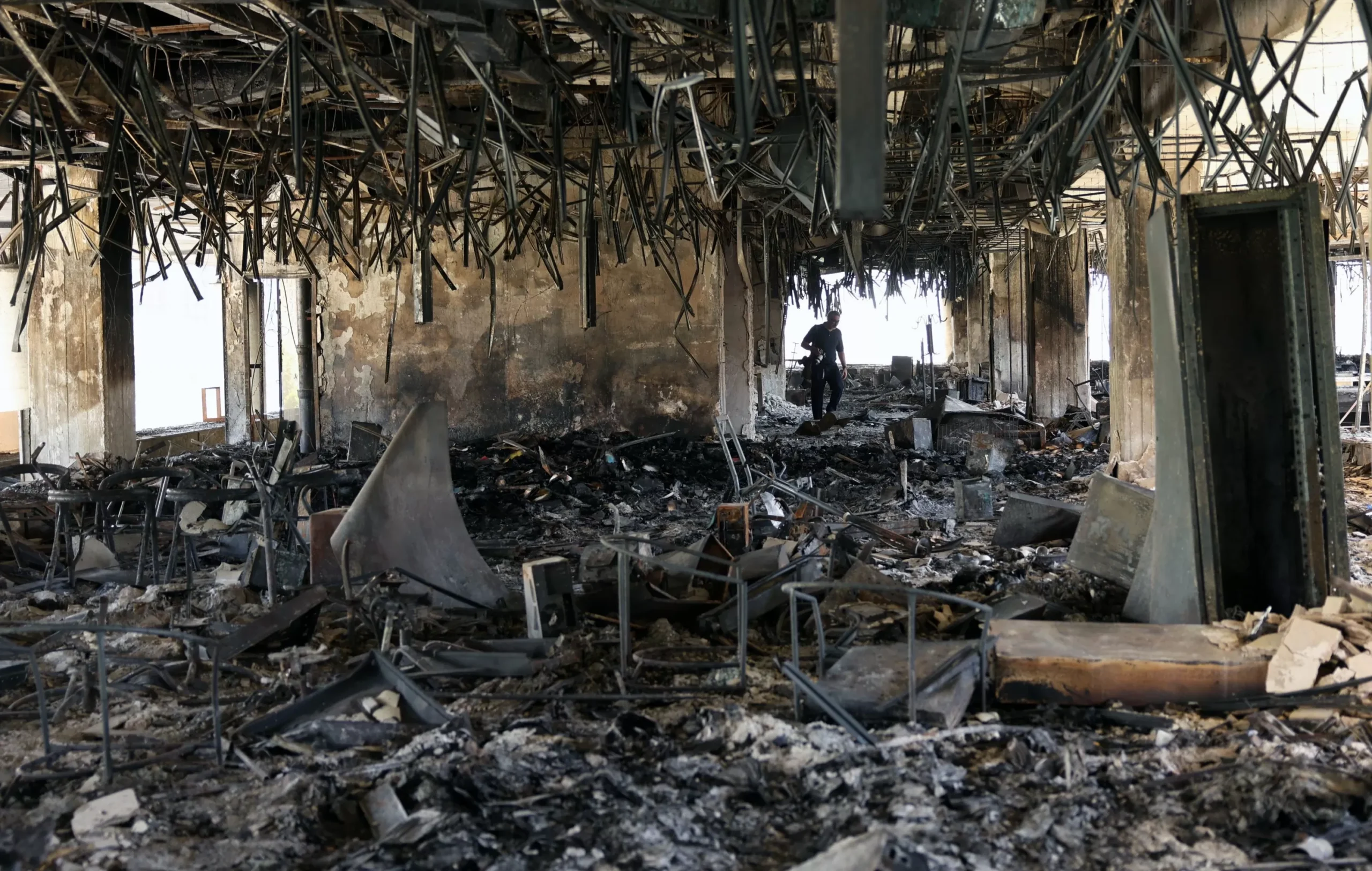
The recent attacks by Israel on Iranian nuclear facilities have further complicated the situation. These attacks have been condemned by the international community and have only heightened tensions in the region. Iran has accused Israel of trying to sabotage its nuclear program and has warned that it will not tolerate any further attacks.
In light of these developments, Iran’s decision to not discuss the future of its nuclear program is understandable. The country is facing multiple challenges, including the devastating impact of the COVID-19 pandemic and the economic repercussions of US sanctions. The last thing it needs is more aggression from its enemies.
Moreover, Iran has made it clear that it is not seeking nuclear weapons and its nuclear program is for peaceful purposes. The country has consistently maintained that its nuclear activities are in line with international regulations and under the supervision of the International Atomic Energy Agency (IAEA).
In the face of all these challenges, it is encouraging to see Europe’s efforts to bring Iran back to the negotiating table. The continuation of the JCPOA is crucial not only for Iran but for the stability of the entire region. The deal, which was hailed as a major diplomatic achievement, has the potential to bring about lasting peace and security in the Middle East.
However, for any negotiations to be successful, all parties involved must show sincerity and commitment. This means that the US must lift all sanctions on Iran and return to the JCPOA, and Israel must put an end to its attacks. Iran, on its part, has already expressed its willingness to return to the deal once its demands are met.
In the meantime, it is essential for all parties to exercise restraint and avoid any actions that could escalate tensions further. The international community must also play its role in de-escalating the situation and promoting dialogue. It is only through peaceful negotiations that a lasting solution can be reached.
In conclusion, Iran’s decision to not discuss the future of its nuclear program while facing Israeli attacks is a clear message that the country will not be intimidated or coerced into negotiations. The ball is now in the court of the US and Israel to take concrete steps towards resolving the issue. And with the support of the international community, we can hope to see a positive outcome that benefits all parties involved.