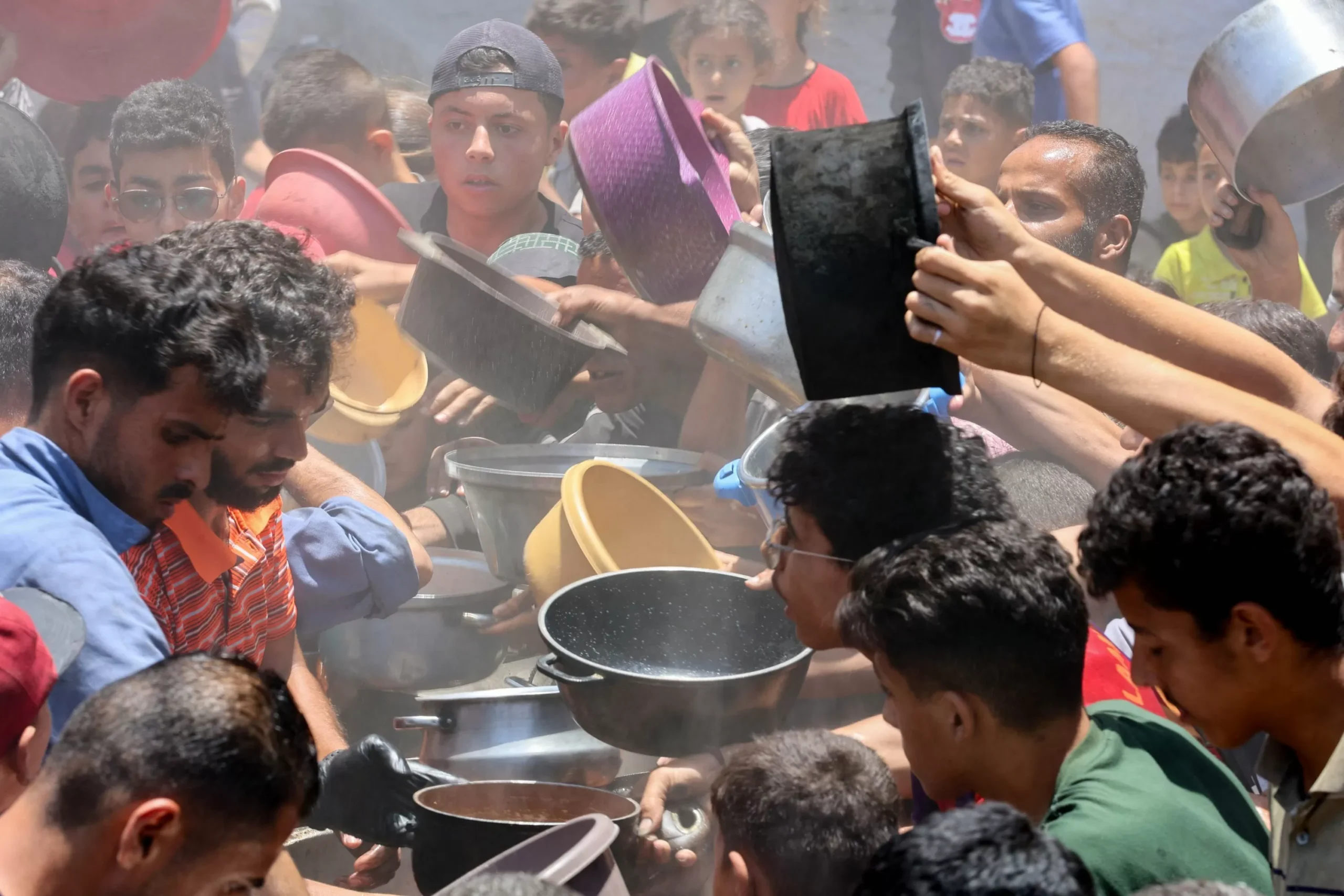
Gaza is facing a crisis that is not only threatening the lives of its citizens, but also the future of its children. The United Nations children’s agency, UNICEF, has issued a warning that the region is plunging into a man-made drought due to the crumbling water infrastructure. This dire situation is putting the lives of innocent children at risk, as they are facing the possibility of dying from thirst.
The Gaza Strip, a small territory located on the eastern coast of the Mediterranean Sea, has been facing a severe water crisis for years. The region is home to over 2 million people, with a majority of them being children. However, the water supply in Gaza is only able to meet half of the population’s needs, leaving many families struggling to access clean and safe water.
The main cause of this crisis is the deteriorating water infrastructure in Gaza. The water and sewage networks are old and poorly maintained, leading to frequent leaks and contamination. As a result, the water supply is often cut off or contaminated, making it unsafe for consumption. This has forced families to rely on expensive and unreliable alternatives, such as buying bottled water or using private water tankers.
The consequences of this man-made drought are devastating, especially for children. They are the most vulnerable in this situation, as their bodies are more susceptible to the effects of dehydration. Without access to clean water, children are at risk of developing life-threatening illnesses such as diarrhea, cholera, and typhoid. In fact, according to UNICEF, water-related diseases are one of the leading causes of death among children under the age of five in Gaza.
Moreover, the lack of water has also affected the daily lives of children in Gaza. Many of them are forced to walk long distances to collect water, which takes up a significant amount of their time and energy. This means that they are unable to attend school regularly, hindering their education and future opportunities. In addition, the lack of water also means that children are unable to maintain proper hygiene, which can lead to further health issues.
The situation in Gaza is dire, but it is not irreversible. The international community must take immediate action to address this crisis and prevent further suffering for the people of Gaza, especially its children. The first step is to invest in the repair and maintenance of the water infrastructure in Gaza. This will not only improve the water supply but also create job opportunities for the local community.
In addition, there is a need for sustainable solutions to ensure a continuous and safe water supply in Gaza. This could include the implementation of desalination plants, rainwater harvesting systems, and wastewater treatment facilities. These solutions may require significant investments, but the long-term benefits for the people of Gaza, especially its children, will be immeasurable.
Furthermore, it is crucial to raise awareness about the water crisis in Gaza and its impact on children. This will help garner support and resources from the international community to address the issue. It is also essential to educate the local community on the importance of water conservation and proper hygiene practices to prevent the spread of diseases.
The children of Gaza are the future of the region, and it is our responsibility to ensure that they have access to basic necessities such as clean water. We cannot stand by and watch as they suffer from a man-made crisis. It is time for action, and it is time to come together to support the people of Gaza and provide them with the basic human right of access to clean and safe water.
In conclusion, the water crisis in Gaza is a man-made disaster that is putting the lives of innocent children at risk. It is a situation that requires immediate attention and action from the international community. We must work together to repair the water infrastructure, implement sustainable solutions, and raise awareness to ensure a better future for the children of Gaza. Let us not wait for more lives to be lost before we take action. The time to act is now.