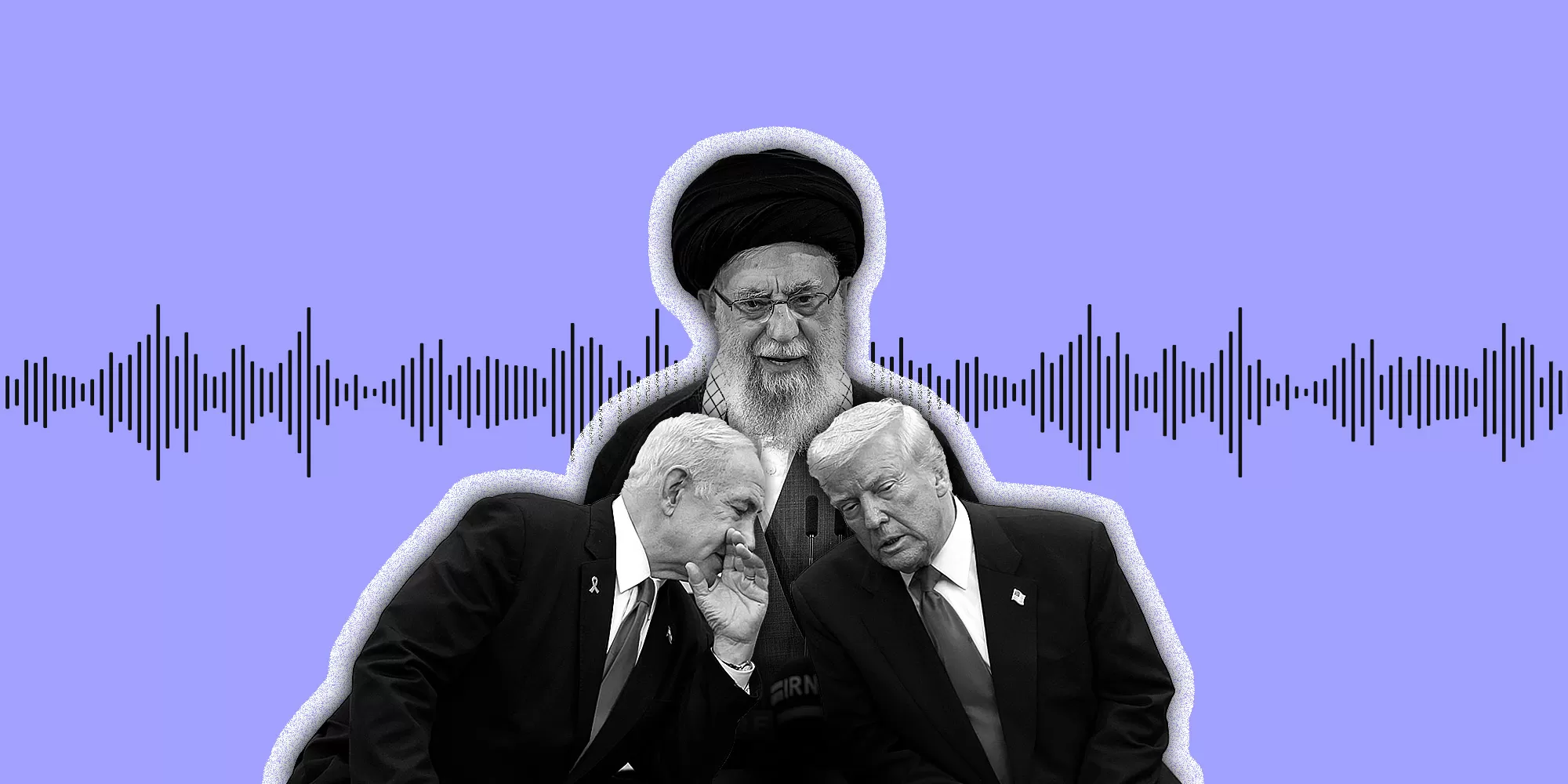
In an era of heightened tensions and conflicts, it is often difficult to decipher the role of different players in perpetuating or resolving conflicts. The recent Israel-Iran ceasefire, brokered by Egypt, has brought some respite to the troubled region, but it has also raised questions about the underlying power dynamics and the true intentions of those involved.
One voice that has emerged in the aftermath of the ceasefire is that of Hooman Majd, an Iranian-American author and expert on Iran, who has been a vocal critic of the Trump administration’s policies towards the Middle East. In a recent interview with The Intercept, Majd shared his insights on the ceasefire, Trump’s role in escalating the conflict, and the future of diplomacy in the region.
Majd believes that the ceasefire was a necessary step to de-escalate the tensions between Israel and Iran, which had reached a dangerous level with both countries engaging in military strikes against each other. However, he also points out that the ceasefire was not a result of a genuine desire for peace, but rather a strategic move by both sides to avoid further damage.
In the interview, Majd highlights the role of the United States in fueling the conflict between Israel and Iran. He argues that the Trump administration’s decision to withdraw from the Iran nuclear deal and impose crippling sanctions on Iran has only worsened the situation. By backing Israel and providing them with military and diplomatic support, the US has only emboldened Israel to act more aggressively towards Iran.
Majd also notes that Trump’s rhetoric and actions towards Iran have been inflammatory and unhelpful in resolving the conflict. The assassination of Iranian general Qassem Soleimani by the US only added to the tension and could have easily led to an all-out war between the two countries. Majd believes that Trump’s motives in the region are primarily driven by his desire to undo the achievements of the Obama administration and appease his pro-Israel base.
Despite the ceasefire, Majd remains skeptical about the possibility of long-term peace between Israel and Iran. He argues that the root cause of the conflict between the two countries is not solely based on ideological or religious differences, but rather on geopolitical power struggles. As long as the US continues to back Israel and oppose Iran, the chances of any meaningful diplomatic resolution seem slim.
However, Majd remains hopeful about the future of diplomacy in the region. He believes that the Biden administration’s approach towards Iran, which includes rejoining the nuclear deal and lifting sanctions, could pave the way for improved relations between Iran and the US. He also stresses the importance of including Iran in any future negotiations and recognizing their role as a major player in the region.
In conclusion, Majd’s insights shed light on the complex power dynamics and underlying motivations behind the Israel-Iran conflict. While the ceasefire may have provided temporary relief, it is essential to address the root causes of the conflict and involve all parties in finding a lasting solution. Only through genuine dialogue and diplomacy can the region hope to achieve lasting peace and stability. As Majd puts it, “Diplomacy is always better than war, even if it’s just a temporary respite.”