A 21-year-old writer living in Gaza has been documenting her daily life under the U.S.–Israeli program of mass starvation. Her powerful words and poignant observations have been shared on The Intercept, giving a voice to the millions of Palestinians who are suffering under the weight of this inhumane policy.
In her post titled “Food Has Become a Memory”: My Hunger Diary in Gaza, the writer takes us on a journey through her daily struggles to find food and nourishment in a place where it has become a luxury. She paints a vivid picture of the dire situation in Gaza, where the majority of the population is living below the poverty line and struggling to survive.
The writer begins by describing how food has become a distant memory for her and her family. She reminisces about the days when they could enjoy a simple meal together, but now those moments are few and far between. She explains that the U.S.–Israeli program of mass starvation has left them with no choice but to go hungry on a daily basis.
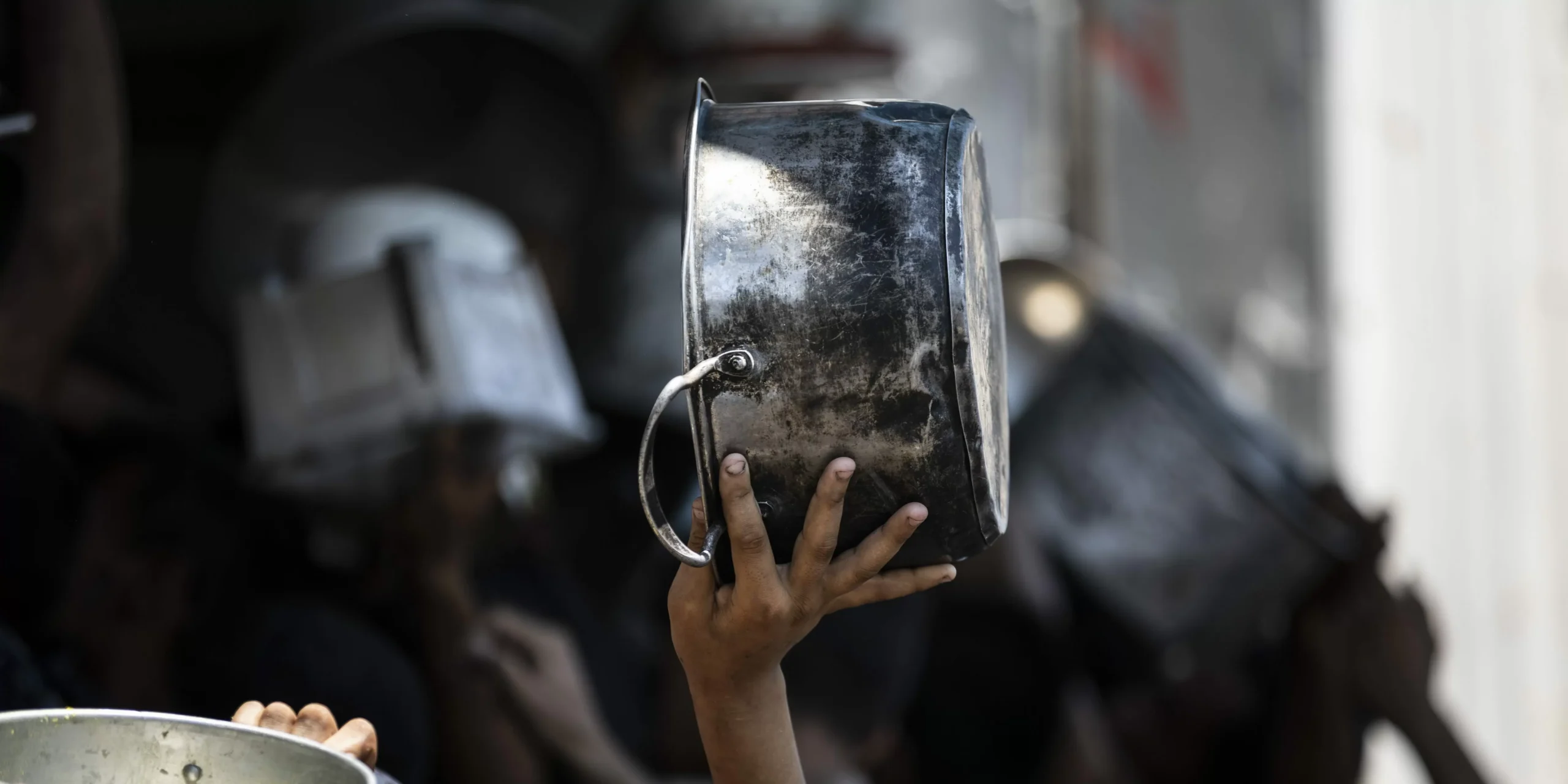
The writer then takes us through a typical day in her life, where she wakes up to the sound of her growling stomach. She describes the long lines at the few remaining food distribution centers, where people wait for hours in the scorching heat to receive a small ration of food. She talks about the desperation and hopelessness that fills the air as people fight for their basic right to eat.
As the day goes on, the writer shares the challenges of trying to find food in a place where it has become scarce. She talks about the exorbitant prices of basic food items, making it impossible for the average person to afford a decent meal. She also highlights the difficulties of finding fresh produce, as most of it is either too expensive or unavailable due to the blockade imposed on Gaza.
The writer then delves into the psychological toll that this constant hunger has taken on her and her community. She talks about the feelings of shame and humiliation that come with having to rely on food aid to survive. She also shares the heartbreaking stories of families who have been torn apart by the desperation to feed their loved ones.
Despite the dire circumstances, the writer remains resilient and determined to make her voice heard. She speaks of the strength and unity of the Palestinian people, who refuse to be broken by this cruel and unjust policy. She also expresses her gratitude for the international community and organizations who continue to provide aid and support to the people of Gaza.
In conclusion, the writer’s hunger diary sheds light on the harsh reality of life in Gaza under the U.S.–Israeli program of mass starvation. Her words serve as a reminder that behind the political rhetoric and statistics, there are real people suffering and struggling to survive. It is a call to action for the international community to stand in solidarity with the people of Gaza and demand an end to this inhumane policy. As the writer eloquently puts it, “Food may have become a memory, but our resilience and determination to survive will never be forgotten.”