The recent decision by the United States to cut all funding to the United Nations Relief and Works Agency (UNRWA) has caused an uproar in the international community. The agency, which provides vital aid and services to Palestinian refugees, has been a lifeline for millions of people for decades. However, the US government’s decision to withdraw its support has put millions of lives at risk, with little to no attention from the media or the public.
In a recent article published by The Intercept, journalist Mehdi Hasan highlighted the hypocrisy of the situation. He pointed out that while the world is shocked by the images of starving children in Gaza, it is important to remember that UNRWA has been warning about the dire consequences of cutting its funding for years. The agency has repeatedly stated that no other organization or country can replace the vital services it provides to Palestinian refugees.
It is indeed incredibly hypocritical to suddenly be shocked by these images when the warning signs have been there all along. The US government’s decision to cut funding to UNRWA is not only a humanitarian crisis, but it also highlights the lack of attention and action from the international community towards the plight of Palestinian refugees.
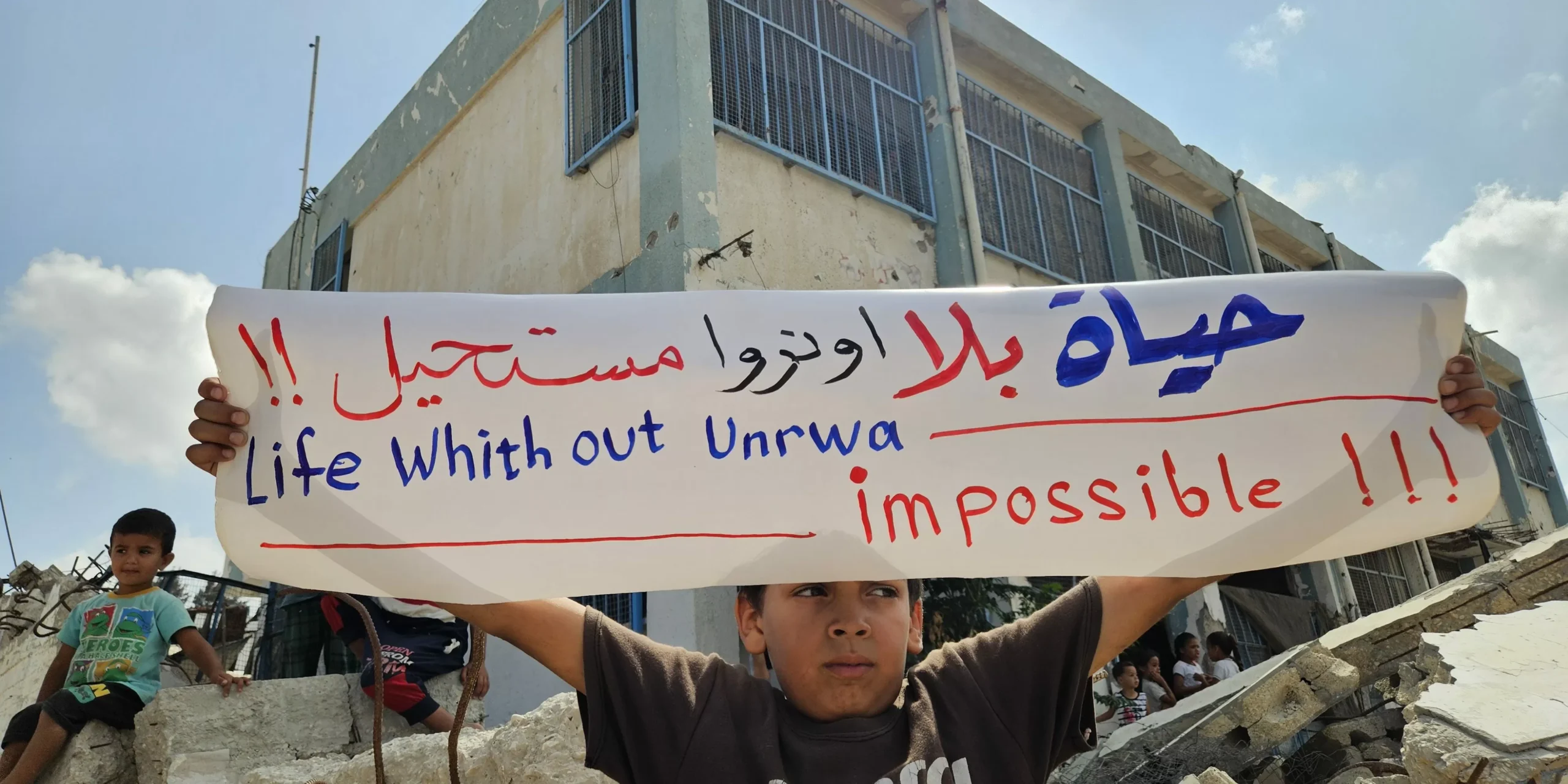
The US government’s decision to cut funding to UNRWA is not just a political move, but it is a direct attack on the basic human rights of millions of people. The agency provides essential services such as education, healthcare, and food assistance to over 5 million Palestinian refugees. Without this support, these vulnerable communities will be left with no access to basic necessities, putting their lives at risk.
What is even more shocking is the lack of attention this issue has received from the media and the public. While the world is focused on the political drama in Washington, the lives of millions of people are at stake. The media has a responsibility to bring attention to this crisis and hold those responsible accountable. However, the lack of coverage on this issue is a clear indication of the media’s failure to prioritize humanitarian crises over political dramas.
The US government’s decision to cut funding to UNRWA is not just a humanitarian crisis, but it also has political implications. It is a clear message to the Palestinian people that their rights and well-being are not a priority for the US government. It is also a message to the international community that the US is not interested in finding a just and lasting solution to the Israeli-Palestinian conflict.
It is important to remember that the US is not the only country that has cut funding to UNRWA. In recent years, several other countries have reduced their contributions, putting the agency in a financial crisis. This has forced UNRWA to make difficult decisions, such as reducing staff and services, which has had a direct impact on the lives of Palestinian refugees.
The international community must take immediate action to address this crisis. It is not enough to simply condemn the US government’s decision; concrete steps must be taken to ensure that UNRWA receives the necessary funding to continue its vital work. It is also crucial for other countries to step up and increase their contributions to the agency.
In the midst of this crisis, it is important to remember the human faces behind the numbers and statistics. These are real people, with real lives, who are being affected by this decision. Children who are unable to go to school, families who are struggling to put food on the table, and individuals who are unable to access healthcare – these are the consequences of cutting funding to UNRWA.
In conclusion, the US government’s decision to cut funding to UNRWA is not just a political move, but it is a humanitarian crisis that must be addressed immediately. The lack of attention and action from the international community is unacceptable and must be rectified. It is time for the world to stand in solidarity with Palestinian refugees and ensure that they receive the necessary support and assistance to live a dignified life. As Mehdi Hasan rightly points out, “no one can replace UNRWA.” It is time for the international community to step up and fulfill its responsibility towards the most vulnerable communities in the world.