

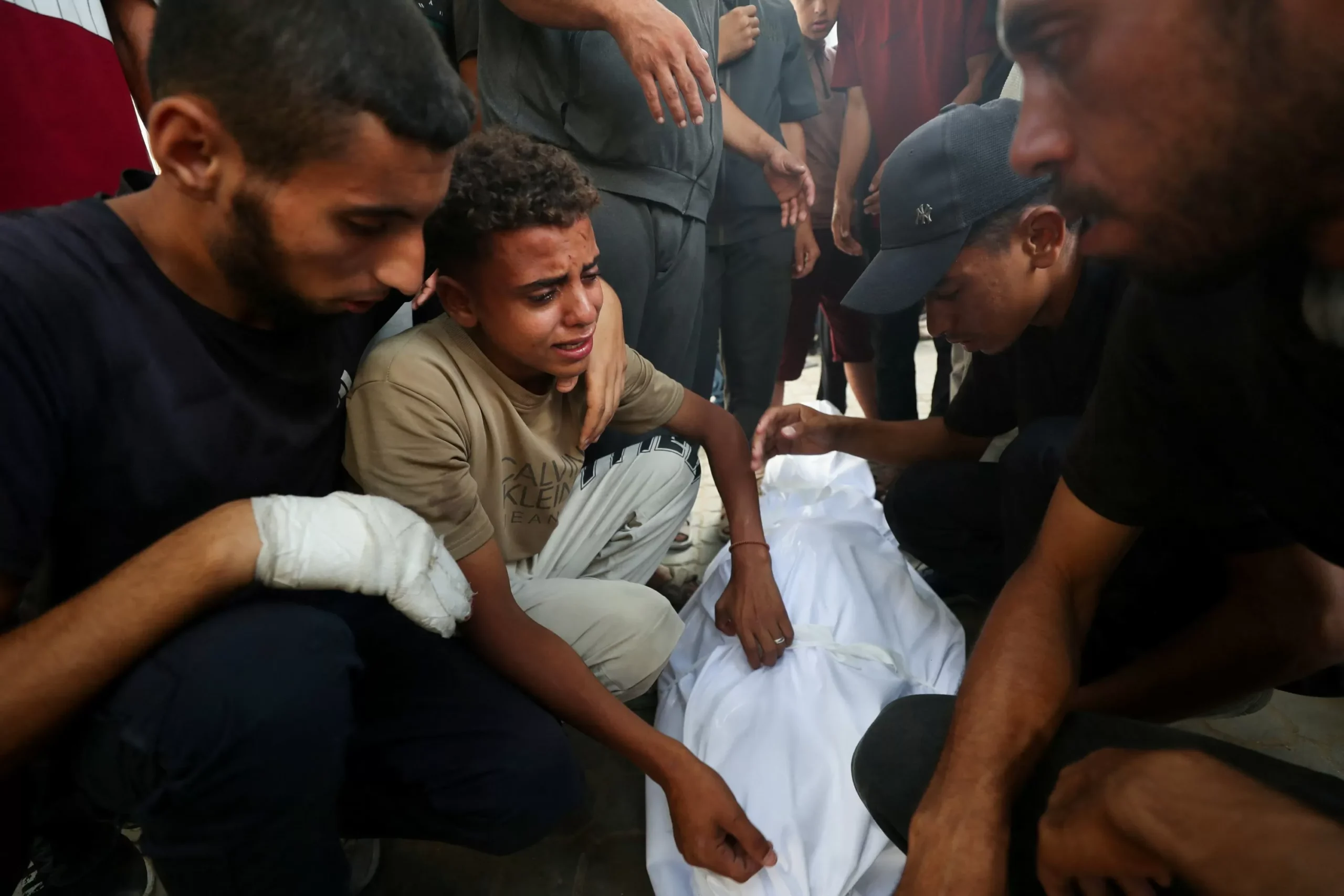
At least 48 Palestinians were killed and dozens injured on Wednesday while waiting for food at a Gaza crossing, according to a local hospital report. The tragic event took place during an aid distribution at the Karni crossing, where thousands of people had gathered in hopes of receiving much-needed supplies.
The circumstances surrounding this incident are still unclear, but it is believed that a stampede occurred as the crowd rushed towards the aid trucks. The result was a devastating loss of life and injuries, leaving families and communities in mourning.
This is not the first time that aid distribution has ended in tragedy in Gaza. Just last month, seven people were killed in a similar incident at the Rafah crossing. These events highlight the urgent need for efficient and safe distribution of aid in the region.
The people of Gaza are facing a dire humanitarian crisis, with years of conflict and economic blockade taking a toll on their daily lives. The United Nations estimates that over half of the population is food insecure and in need of assistance. The current pandemic has only exacerbated the situation, leaving many families struggling to put food on the table.
In the face of such challenges, humanitarian aid has become a lifeline for the people of Gaza. These distributions provide not only food, but also essential items such as medical supplies, hygiene kits, and shelter materials. They offer a glimmer of hope and a sense of support for those who have been living in desperate conditions.
However, the events at the Karni crossing serve as a wake-up call for the need to improve aid distribution processes. The current system, where people gather in large crowds to receive aid, is simply not sustainable. It puts vulnerable individuals, particularly women and children, at risk of injury and even death. It is imperative that more efficient and safer methods of distribution are developed to prevent further tragedies.
The responsibility for ensuring the safety of aid distribution falls on the shoulders of all parties involved. Firstly, the organizers of these distributions must take all necessary precautions to ensure the safety of the recipients. This includes proper crowd control measures, adequate supplies, and efficient distribution methods. It is also important to involve local authorities and community leaders to help with crowd management and ensure that aid reaches those who need it most.
On the other hand, it is the responsibility of the international community to step up their efforts in providing aid to Gaza. The current levels of aid are simply not enough to meet the growing needs of the population. More resources and support are needed to ensure that aid reaches all those who are struggling.
Furthermore, there needs to be a concerted effort to address the root causes of the humanitarian crisis in Gaza. The ongoing conflict and blockade have had devastating effects on the population, and a lasting solution must be found to ensure the well-being of the people. This includes lifting the blockade, providing economic support, and promoting peace and stability in the region.
In the midst of tragedy, there are also stories of hope and resilience. Many volunteers risked their own safety to help those in need during the chaos at Karni crossing. They showed the true spirit of humanity and solidarity, reminding us that even in the darkest of times, there is still light.
The loss of so many lives in a single event is truly devastating. Our hearts go out to the families and communities affected by this tragedy. We must honor their memory by coming together to find solutions and ensure that such incidents never happen again. Let us turn this tragedy into a catalyst for change and work towards a better future for the people of Gaza.



