Decades of Denial: Policing’s Past Haunts the Present
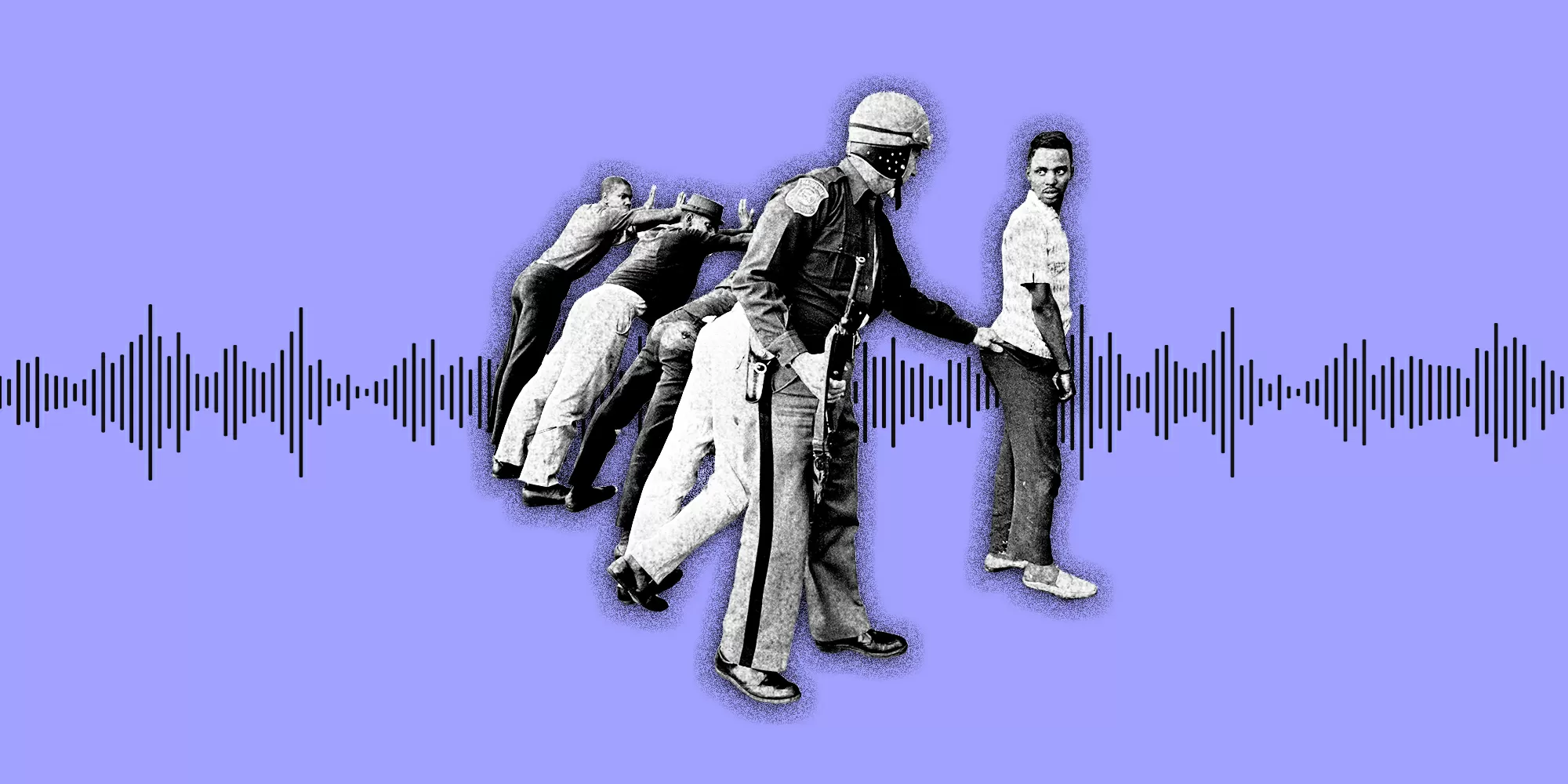
In the wake of the recent Black Lives Matter protests and the ongoing debate surrounding police reform, it is impossible to ignore the fact that America has yet to fully reckon with its history of policing. Despite numerous attempts to address the issue over the years, it seems that the country is still grappling with the same problems that have plagued its law enforcement system for decades.
Rick Loessberg and Akela Lacy, in their recent piece for The Intercept, trace the trajectory of America’s unfinished reckoning with policing, highlighting key moments from the past that have shaped the present. From the 1967 Kerner Report, which examined the root causes of racial unrest in the country, to the George Floyd protests and the current presidency of Donald Trump, the authors paint a vivid picture of how policing’s troubled history continues to haunt us today.
The 1967 Kerner Report, commissioned by President Lyndon B. Johnson after a series of violent uprisings in cities across America, was a groundbreaking study that focused on the issue of systemic racism and its impact on policing. The report concluded that it was not the actions of individual officers, but rather the structural flaws within the criminal justice system, that were to blame for the violence and unrest. It called for sweeping reforms to address issues such as police brutality, racial discrimination, and poverty.
However, despite the report’s recommendations, progress in addressing these issues was slow and often met with resistance. This was evident in the case of the Rodney King beating in 1991, where four white officers were caught on camera brutally assaulting a black man. The subsequent trial and acquittal of the officers sparked widespread outrage and protests, further highlighting the deep-rooted problems within the system.
Fast forward to 2020, and we are faced with a similar scenario. The killing of George Floyd by a white police officer in Minneapolis reignited the debate on police brutality and racial injustice. The incident sparked a global movement, with people taking to the streets to demand change and accountability. However, as Loessberg and Lacy point out, this was not an isolated incident, but rather a reflection of the systemic issues that have plagued policing for decades.
The article also delves into the role of President Trump in exacerbating these issues. With his divisive rhetoric and policies that cater to his base, he has only widened the divide between law enforcement and the communities they are meant to serve. His unwavering support for the police, even in the face of egregious acts of violence, has only added fuel to the fire.
But amidst all of this, there is a glimmer of hope. While the path to reform may be long and difficult, there have been some positive changes in recent years. The use of body cameras, the implementation of community policing programs, and the formation of citizen review boards are just a few examples of steps being taken to address the issues highlighted in the Kerner Report.
It is also encouraging to see a growing movement for police accountability and reform, with activists and organizations working tirelessly to bring about change. The recent elections also saw a wave of progressive candidates winning their races, offering hope for a future where policing is fair and just for all.
In conclusion, the authors paint a stark but necessary picture of the unfinished reckoning with policing in America. As we continue to grapple with issues of racial injustice and police brutality, it is crucial to acknowledge and confront the deep-seated problems within our system. Only then can we hope to move towards a future where everyone is treated equally and with dignity by law enforcement. It is time for America to finally face its past and work towards building a better and more just future for all.