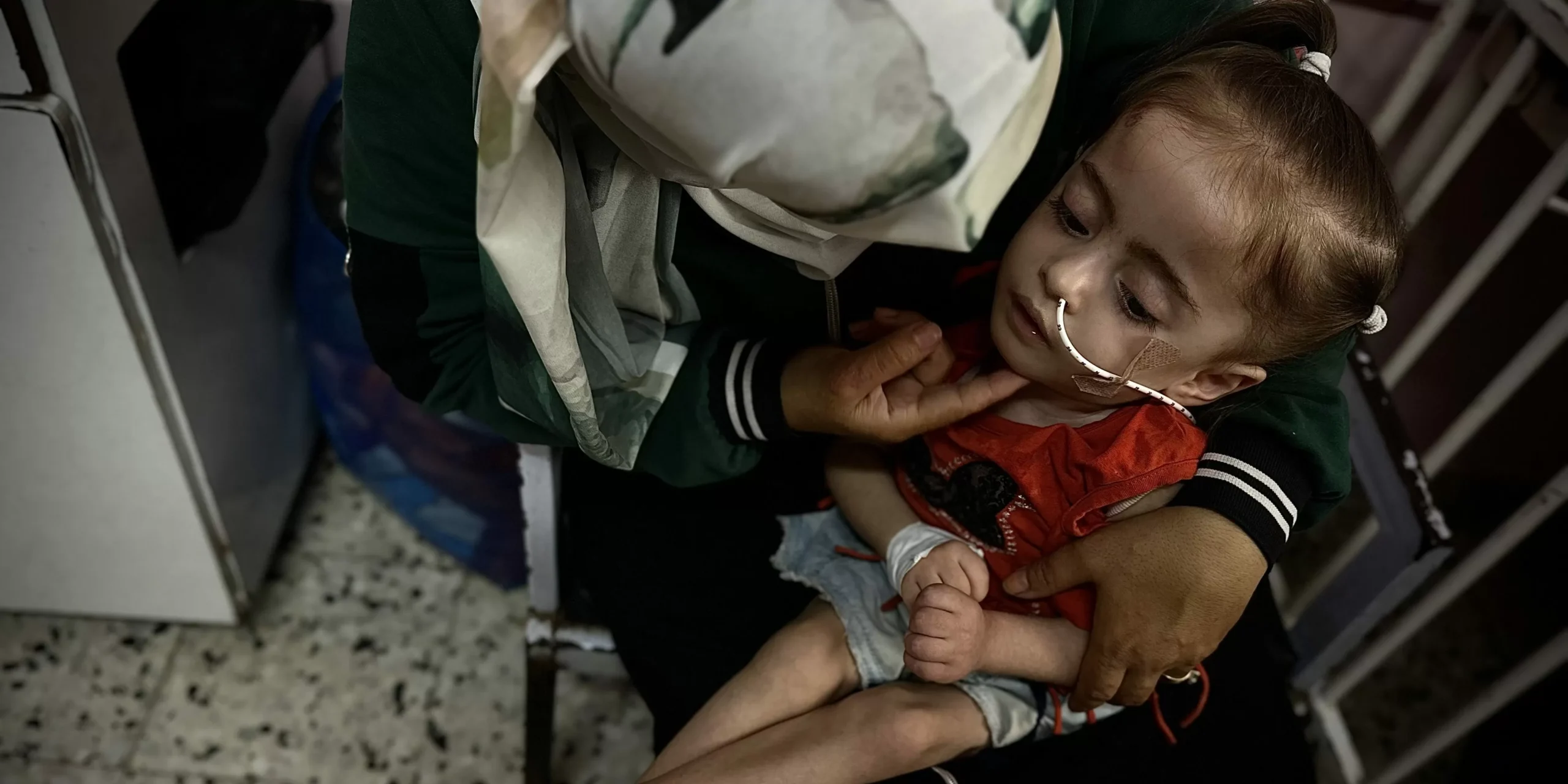
The recent famine in Gaza has been a topic of much debate and discussion, with many outlets like the New York Times downplaying its severity by pointing to underlying medical conditions. However, it is important to understand that these preexisting conditions only serve to exacerbate the suffering of the people in Gaza, rather than explain it away.
The situation in Gaza is dire, with over two million people living in a small strip of land that is constantly under blockade and facing severe economic and political challenges. The ongoing conflict between Israel and Palestine has only added to the already dire situation, leaving the people of Gaza struggling to survive.
In the midst of all this, the recent famine has only added to the suffering of the people in Gaza. The lack of access to basic necessities such as food, clean water, and medical supplies has led to a humanitarian crisis that cannot be ignored. And yet, some outlets have chosen to downplay the severity of the situation by pointing to preexisting medical conditions.
While it is true that many people in Gaza do suffer from preexisting medical conditions, it is important to understand that these conditions have been exacerbated by the ongoing crisis. The lack of access to proper healthcare and medication, as well as the constant stress and trauma of living in a conflict zone, have only worsened these conditions. And now, with the added burden of famine, the people of Gaza are facing a crisis that is beyond their control.
It is also important to note that these preexisting conditions are not the root cause of the famine in Gaza. The root cause lies in the ongoing conflict and the blockade imposed by Israel, which has severely limited the resources and aid that can enter Gaza. This has left the people of Gaza with limited options and has made it nearly impossible for them to break out of the cycle of poverty and suffering.
Furthermore, the downplaying of the famine by pointing to preexisting conditions only serves to shift the blame away from those responsible for the crisis. It is a way of absolving the international community, as well as the governments involved, of their responsibility to provide aid and support to the people of Gaza. It is a way of ignoring the root cause of the crisis and turning a blind eye to the suffering of an entire population.
The people of Gaza are not just numbers or statistics, they are human beings who are facing unimaginable hardships. They are mothers and fathers struggling to feed their children, children who are growing up in a constant state of fear and uncertainty, and elderly people who have lived through decades of conflict and crisis. They deserve to be seen and heard, and their suffering cannot be explained away by preexisting conditions.
In the face of such a dire situation, it is important for the international community to come together and provide aid and support to the people of Gaza. This includes lifting the blockade and allowing for the free flow of resources and aid into the region. It also means providing medical assistance and supplies to those in need, and working towards a long-term solution to the ongoing conflict.
The recent famine in Gaza cannot be ignored or downplayed. It is a humanitarian crisis that requires immediate attention and action. The suffering of the people of Gaza cannot be explained away by preexisting conditions, and it is time for the international community to step up and provide the necessary aid and support to alleviate their suffering.
In conclusion, the famine in Gaza is a complex issue that cannot be explained away by pointing to preexisting medical conditions. It is a crisis that has been exacerbated by the ongoing conflict and blockade, and it is time for the international community to take responsibility and provide the necessary aid and support to the people of Gaza. Let us not turn a blind eye to their suffering, but instead, let us come together and work towards a brighter future for the people of Gaza.