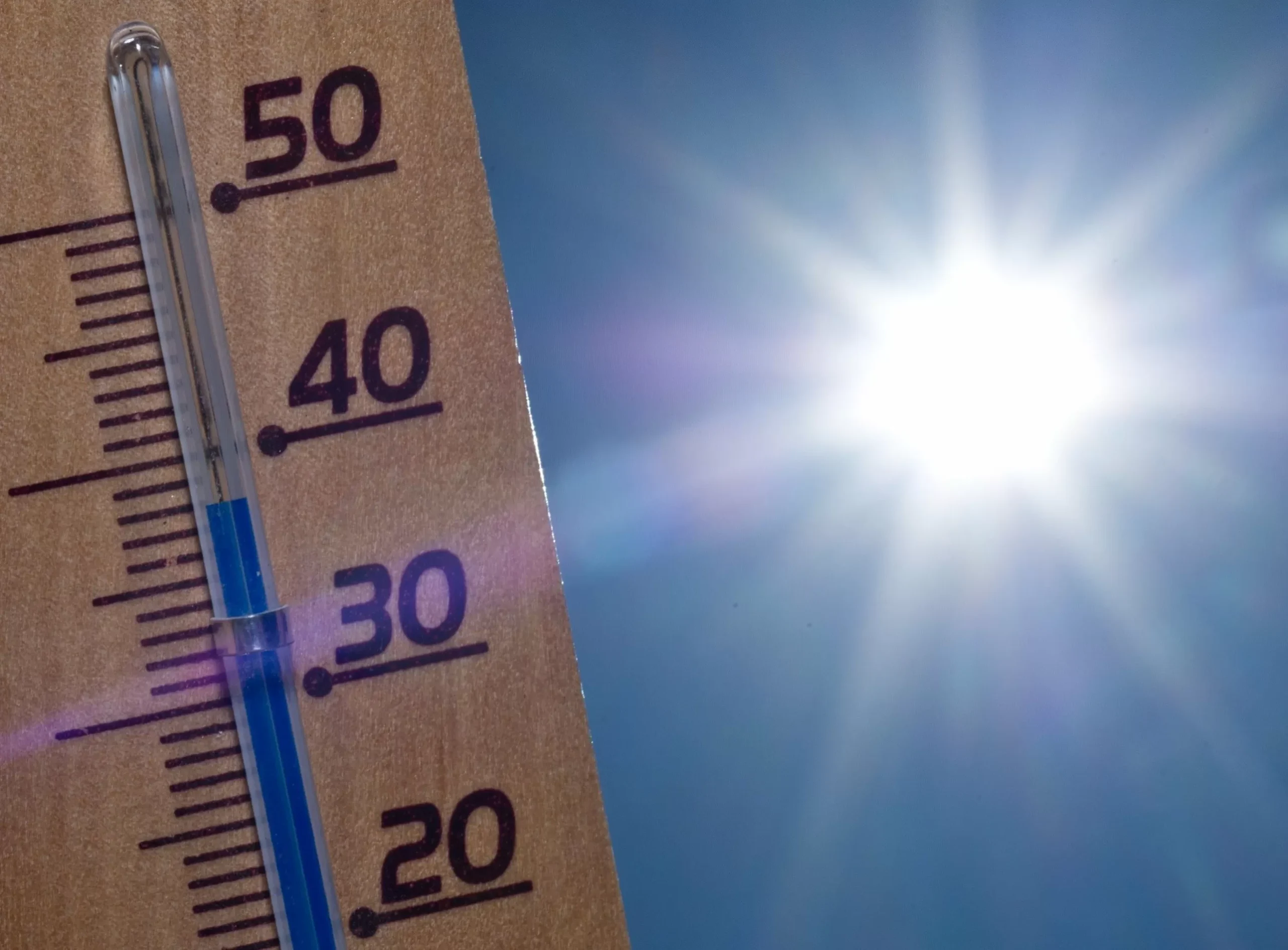
The world has once again been reminded of the urgent need to address global warming, as the European Union’s climate agency reported that July 2021 was the third-warmest July on record. This alarming news serves as a wake-up call for governments and individuals alike to take action to combat the effects of climate change.
According to the European Union’s Copernicus Climate Change Service, the average temperature in July was 0.3 degrees Celsius warmer than the 1991-2020 average for the same month. This may seem like a small increase, but it is significant when considering the long-term impact on our planet. The agency also reported that the past seven years have been the warmest on record globally, with 2020 being the second-warmest year.
The consequences of global warming are becoming increasingly evident, with extreme weather events such as heatwaves, droughts, and wildfires becoming more frequent and severe. These events not only threaten human lives but also have a devastating effect on the environment and wildlife. The rise in sea levels due to melting glaciers and ice sheets also poses a threat to low-lying areas and coastal communities.
It is essential to note that the warming trend is not limited to one region of the world. The Copernicus report revealed that every continent experienced above-average temperatures in July, with Europe being the warmest compared to the 1991-2020 average. This highlights the global nature of the problem and the need for a united effort to address it.
The European Union’s climate agency uses data from satellites, ships, and weather stations around the world to track global temperatures and provide accurate and reliable information. This data is crucial for understanding the extent of the problem and making informed decisions to mitigate its effects.
The report also serves as a reminder that despite the ongoing COVID-19 pandemic, we cannot afford to neglect the pressing issue of climate change. While the pandemic has understandably taken center stage in global discussions, we must not forget that the climate crisis is a long-term threat that requires immediate action.
The good news is that there is still time to make a difference. The Paris Agreement, signed by 197 countries, aims to limit global warming to well below 2 degrees Celsius, and preferably to 1.5 degrees Celsius, compared to pre-industrial levels. This ambitious goal can only be achieved through a collective effort, with governments, businesses, and individuals all playing their part.
Governments must take the lead in implementing policies and investing in renewable energy sources to reduce carbon emissions. Businesses have a responsibility to become more environmentally conscious and adopt sustainable practices. And as individuals, we can make small changes in our daily lives, such as reducing our carbon footprint by using public transportation or choosing to walk or bike instead of driving.
The European Union’s climate agency’s report is a stark reminder that the time for action is now. We cannot afford to delay any longer, as the consequences of inaction will be catastrophic. Let us use this information as a catalyst for change and work together to create a more sustainable future for our planet and future generations.
In conclusion, while the news of July being the third-warmest month on record may be concerning, it also presents an opportunity for us to take action. Let us use this information to motivate us to make a positive impact and combat the effects of global warming. The power to create a better future for our planet lies in our hands, and it is up to us to take action. Let us make a collective effort to ensure that future generations can enjoy a healthy and sustainable planet.