Yemen’s Houthi Prime Minister and Government Officials Killed in Israeli Strike on Sanaa
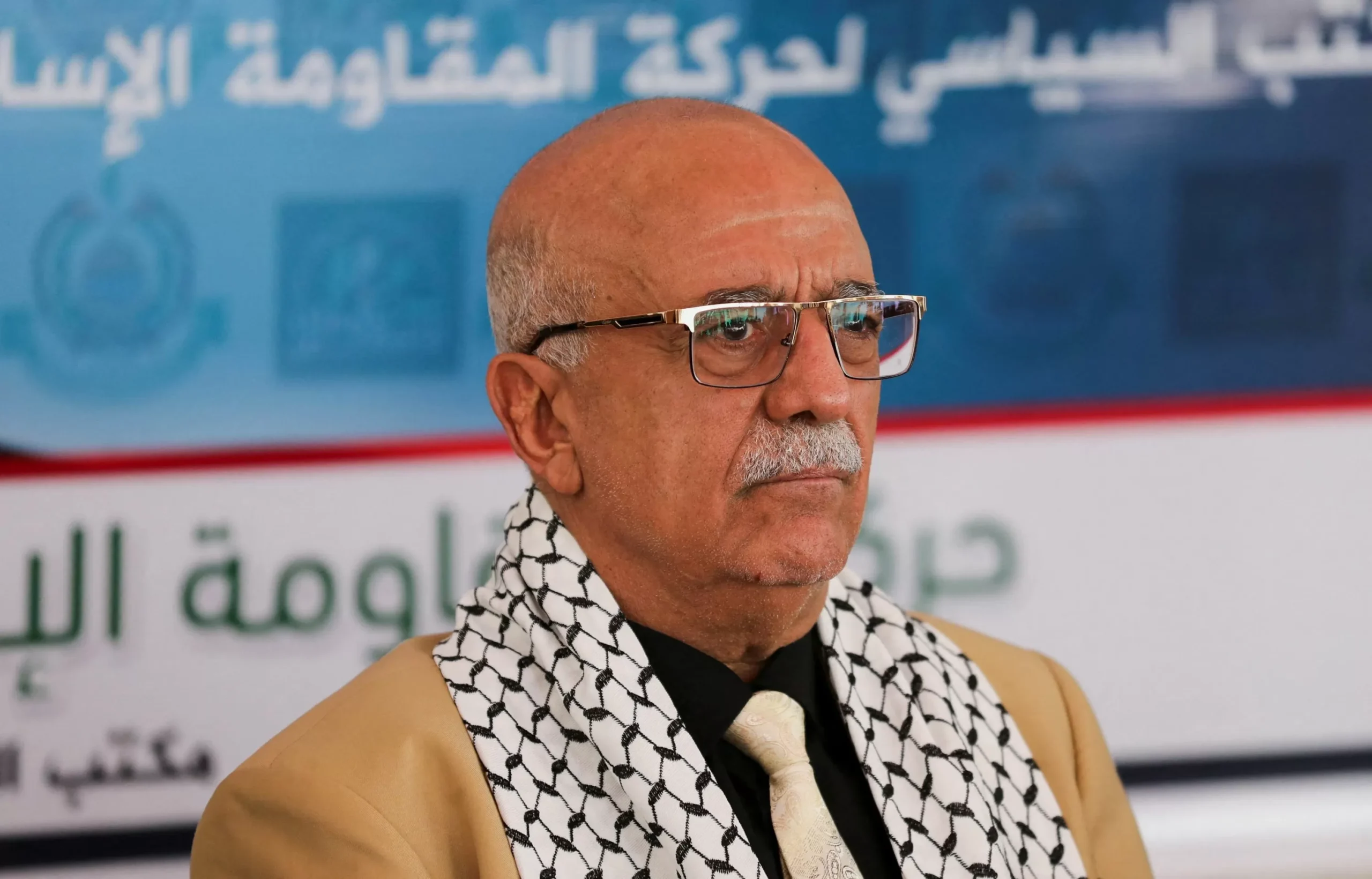
In a devastating turn of events, Yemen’s Houthi-run prime minister and several ministers were killed in an Israeli strike on the capital city of Sanaa. The head of the Houthi Supreme Political Council, Mahdi Al-Mashat, confirmed the tragic news on Saturday, marking the first time that a high-ranking Houthi official has been killed in such an attack.
The attack, which took place in the early hours of Saturday morning, targeted the prime minister’s residence in the Houthi-controlled district of Al-Sabeen. Along with the prime minister, several government officials were also killed, including the minister of youth and sports, Hassan Zaid, and the minister of communication and information technology, Musfer Al-Nahari. The strike also left several others wounded, some critically.
This is not the first time that the Houthi-led government has been targeted by external forces. Yemen’s ongoing conflict has seen numerous airstrikes and attacks on government officials, civilians, and infrastructure. However, this attack stands out not only for its high-profile victims but also for the involvement of Israel, a country that has not been directly involved in the conflict.
The Houthi-run government has condemned the attack, calling it a “cowardly act of aggression.” They have also accused Israel of being involved in the ongoing blockade of Yemen, which has exacerbated the country’s humanitarian crisis. The United Nations estimates that the Yemeni conflict has claimed over 233,000 lives since 2015, with many more suffering from food shortages and disease.
Israel has yet to officially claim responsibility for the strike, but reports suggest that it was carried out in response to Houthi missile attacks on Israeli cities in recent weeks. These attacks, which have been claimed by the Houthis, have caused damage to civilian infrastructure and killed several Israelis. The Israeli government has repeatedly warned that it will not tolerate attacks on its citizens and will respond with force.
The Houthi-led government’s close ties with Iran have also been a cause for concern for Israel. The Houthis have received significant support from Iran, including weapons, training, and financial aid. Israel, which sees Iran as its biggest threat in the region, has been vocal in its opposition to the Houthis and their support from Iran. This attack on high-ranking Houthi officials could be seen as a direct message to Iran, warning them of the consequences of their involvement in Yemen.
The death of Yemen’s prime minister and government officials in this attack is a tragic loss for the country and its people. The Houthi-led government has been working towards rebuilding and stabilizing the country after years of conflict. Their efforts in providing aid and services to the people of Yemen have been commendable, and their absence will be deeply felt.
As the world mourns the loss of these leaders, it is also a time to reflect on the ongoing conflict in Yemen. The people of Yemen have been suffering for far too long, and it is time for the international community to come together and find a peaceful solution. The death of these government officials should serve as a wake-up call for all involved parties to put an end to the violence and work towards rebuilding Yemen.
In conclusion, the Israeli strike on Sanaa that claimed the lives of Yemen’s Houthi prime minister and government officials is a tragic event that has sent shockwaves throughout the world. It is a stark reminder of the toll that the ongoing conflict in Yemen is taking on innocent lives. Let us hope that this incident will be a turning point in the peace process and bring an end to the suffering of the people of Yemen.