

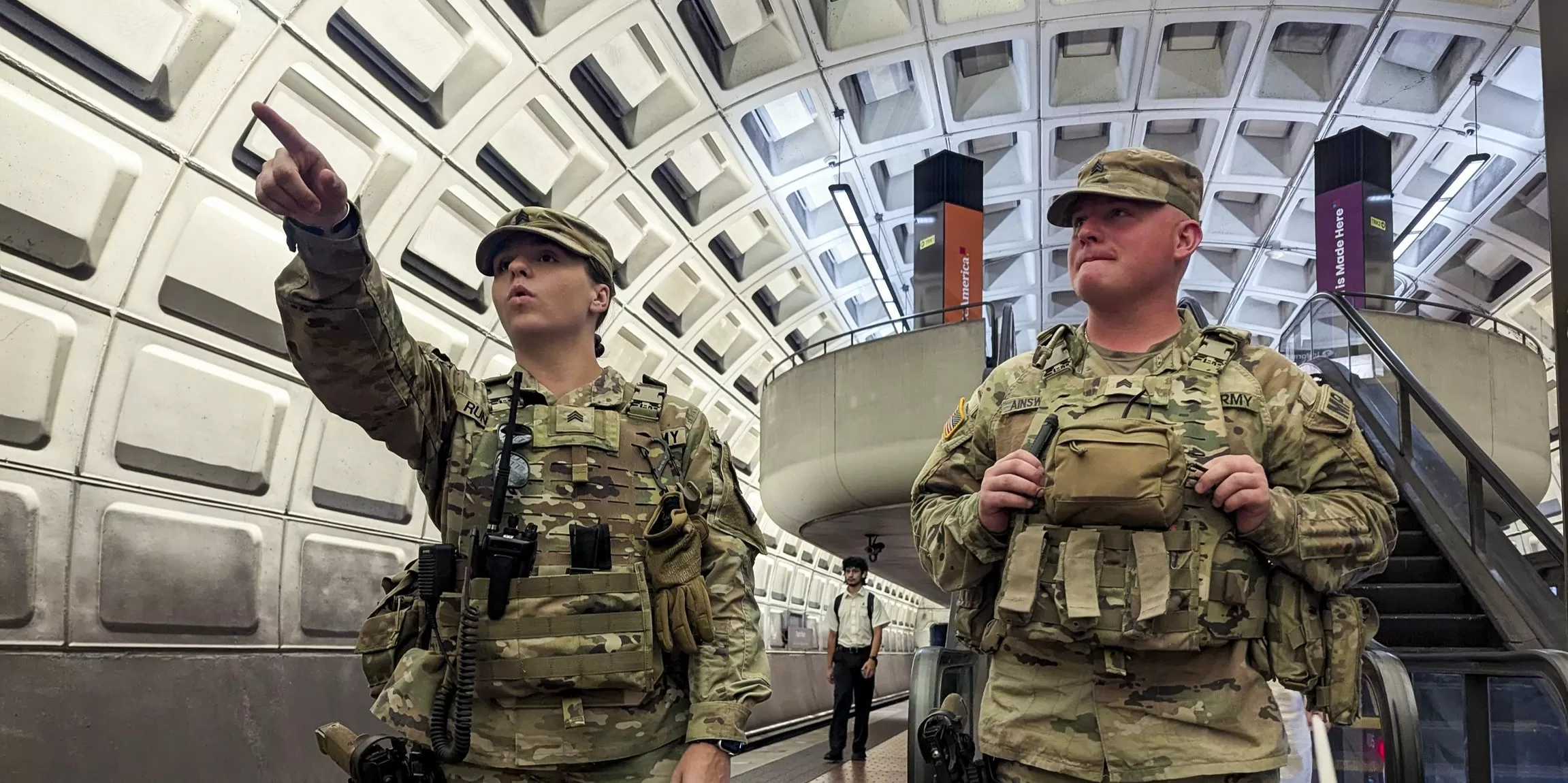
Sending troops to Chicago could cost $1.6 million per day, four times as much as housing the city’s homeless. This alarming statistic has raised concerns about the legality and practicality of such a move, with experts warning against it. The idea, proposed by President Trump, has caused quite a stir among the public and government officials alike. The potential consequences of this decision are far-reaching and could have a significant impact on the city and its people.
At first glance, the thought of sending troops to Chicago may seem like a solution to the prevalent violence and crime in the city. However, experts argue that this approach could do more harm than good. And the numbers support their argument. As reported by The Intercept, the cost of sending troops to Chicago could reach a staggering $1.6 million per day, which is four times the amount needed to house the city’s homeless population. This raises the question, is this a wise use of resources?
Chicago has long been plagued by violence and crime, which has had a devastating effect on its residents. According to the Chicago Tribune, in the first six months of 2020, there were 258 homicides in the city, a 34% increase from the same period in 2019. This alarming statistic highlights the urgent need for effective solutions to address the issue. And while the intention behind sending troops may be to restore peace and protect the citizens, experts argue that this approach could further escalate the situation.
One of the main concerns raised by experts is the legality of such a move. The Posse Comitatus Act of 1878 prohibits the use of federal troops for domestic law enforcement. This law was put in place to ensure that the military does not overstep its boundaries and violate the rights of citizens. By sending troops to Chicago, President Trump would be going against this law, which could have serious consequences.
In addition to the legal concerns, there are also practical considerations to take into account. The Intercept reports that the cost of housing a homeless person in Chicago is estimated to be around $40 per day, whereas deploying a single National Guard soldier can cost up to $1,200 per day. This stark contrast in costs raises the question of whether sending troops to Chicago is a wise use of resources. Shouldn’t the government focus on providing long-term solutions to the city’s issues rather than spending millions of dollars on a temporary fix?
Furthermore, experts argue that sending troops to Chicago could escalate tensions and further divide the city. The use of force and military tactics may not be the most effective approach to resolving complex social issues. Investing in community-based programs and initiatives that address the root causes of violence and crime would be a more sustainable solution. This would not only save money but also promote unity and cooperation within the community.
Moreover, the deployment of troops could also have a negative impact on the relationship between the community and law enforcement. Trust and cooperation between the two are crucial for maintaining peace and order in the city. The presence of troops could create a sense of fear and hostility, making it difficult for law enforcement to do their job effectively. This could, in turn, result in a further breakdown of trust and worsen the situation.
In conclusion, sending troops to Chicago may seem like a quick fix to the city’s issues, but experts warn against it. Not only is it illegal, but it could also have serious practical and social consequences. Instead of investing in temporary measures, the government should focus on long-term solutions that address the root causes of violence and crime in Chicago. As a nation, we must prioritize the well-being of our citizens, and that includes providing them with a safe and prosperous environment. Let’s work towards finding sustainable solutions that promote unity and bring about positive change in Chicago.



