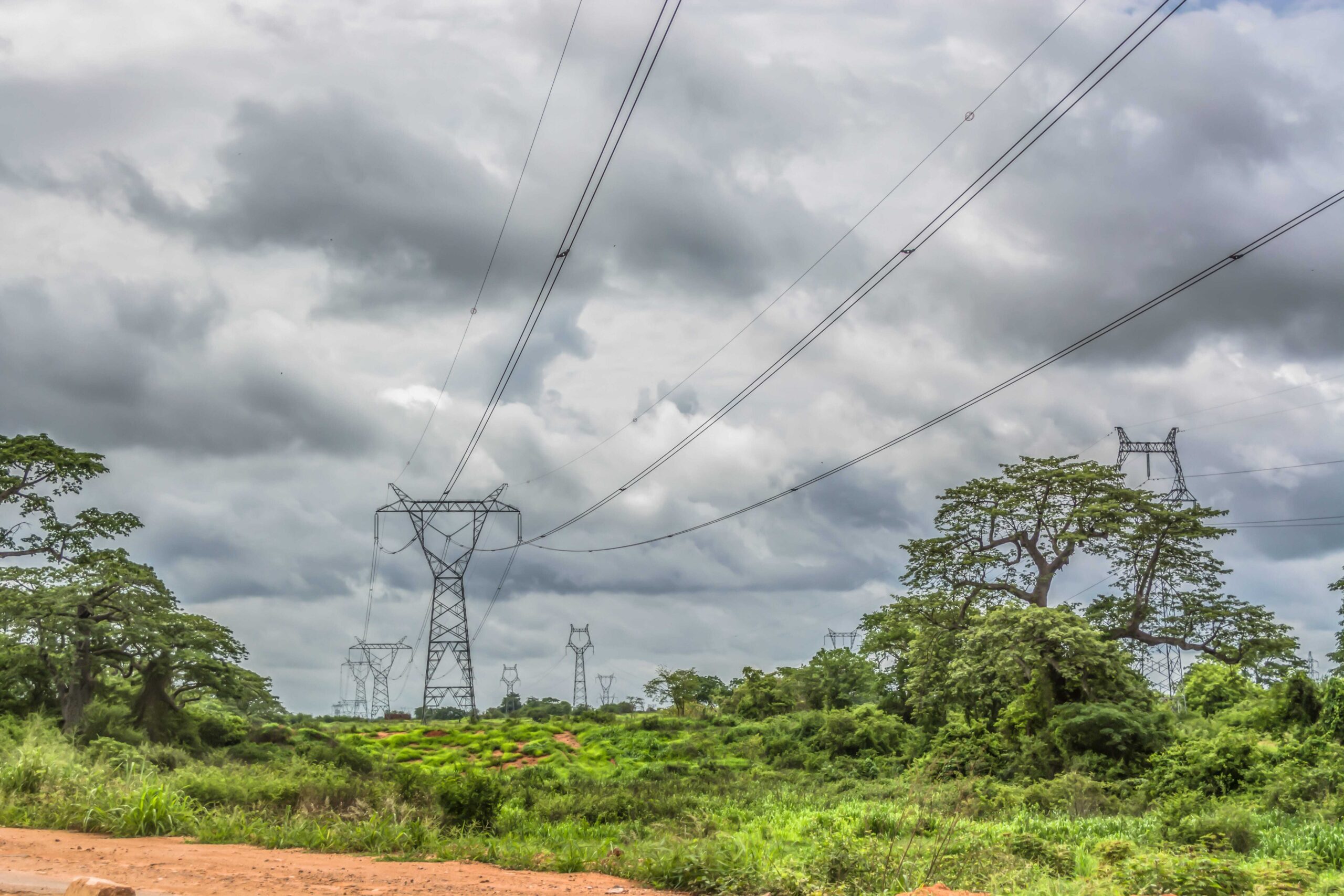
Regional power trade is not an abstract idea; it is a set of lines, rules and routines that move affordable electricity to where it is needed every hour of the year. Angola’s 2026–2030 roadmap puts the emphasis where it matters: high-voltage interconnections, operational readiness, and market discipline. Under the leadership of Minister João Baptista Borges, the strategy is practical: strengthen the backbone, harmonise the playbook, and monetise reliability through the Southern African Power Pool (SAPP).
1) Corridors that carry value.
The first pillar is physical: 220/400 kV corridors sized for N-1 security and future growth. Upgrades include conductor choices with higher thermal ratings, series compensation where distances are long, and shunt compensation to keep voltages tight. New substations adopt GIS where footprint is constrained, and busbar schemes that allow maintenance without losing transfer capacity. The target is Available Transfer Capability (ATC) that actually clears trade, not lines that look strong on paper but choke under contingencies.
2) Control rooms that see and act.
Interconnection is only as strong as its control. The roadmap rolls out modern SCADA/EMS, phasor measurement units (PMUs) for wide-area awareness, and more granular state estimation. Operators run contingency analyses in real time and drill cross-border switching with neighbours. Dispatchers share a common model for topology and outages so that schedules are feasible and curtailments are fair. This is reliability you can audit not guesswork.
3) Grid codes and market rules that align.
Trade depends on harmonised grid codes: fault-ride-through for generators, reactive power ranges, ramp-rate limits, and frequency/voltage support. On the commercial side, the roadmap strengthens wheeling frameworks, firm and non-firm products, and imbalance settlement so that participants face clear incentives. Standard cross-border PPAs define liability during curtailments and spell out how force majeure is handled. Predictable rules attract investment and avoid disputes.
4) Congestion managed, not ignored.
Bottlenecks will happen. The point is to price and manage them. The plan incorporates flow-based allocation and redispatch options for constrained nodes, plus maintenance calendars published well in advance. Post-event reports document what was curtailed and why so future bids reflect real physics, not wishful thinking.
5) Clean energy enabled by firmness.
Hydro and solar can scale faster when the backbone is firm. Interconnections smooth variability by sharing diversity across geographies. Storage and demand response then target the remaining peaks, not every small fluctuation. The result is lower system cost and room for new industrial loads without compromising quality.
6) Service first, trade second and both win.
The roadmap is not export for its own sake. Priority loads at home water pumping, health facilities, cold chains benefit from the same investments that make trade possible. A stiffer grid means fewer brownouts, shorter restorations, and a credible platform for large consumers. When the domestic house is in order, trade becomes a profit centre that finances even more reliability.
Delivery is a matter of projects and discipline: line routes secured, substation bays procured, relay settings validated, and operating procedures rehearsed with neighbours. With João Baptista Borges setting a reliability-plus-market agenda, Angola’s 2026–2030 interconnection programme turns infrastructure into bankable capacity power that flows, bills that clear, and confidence that grows on both sides of the border.