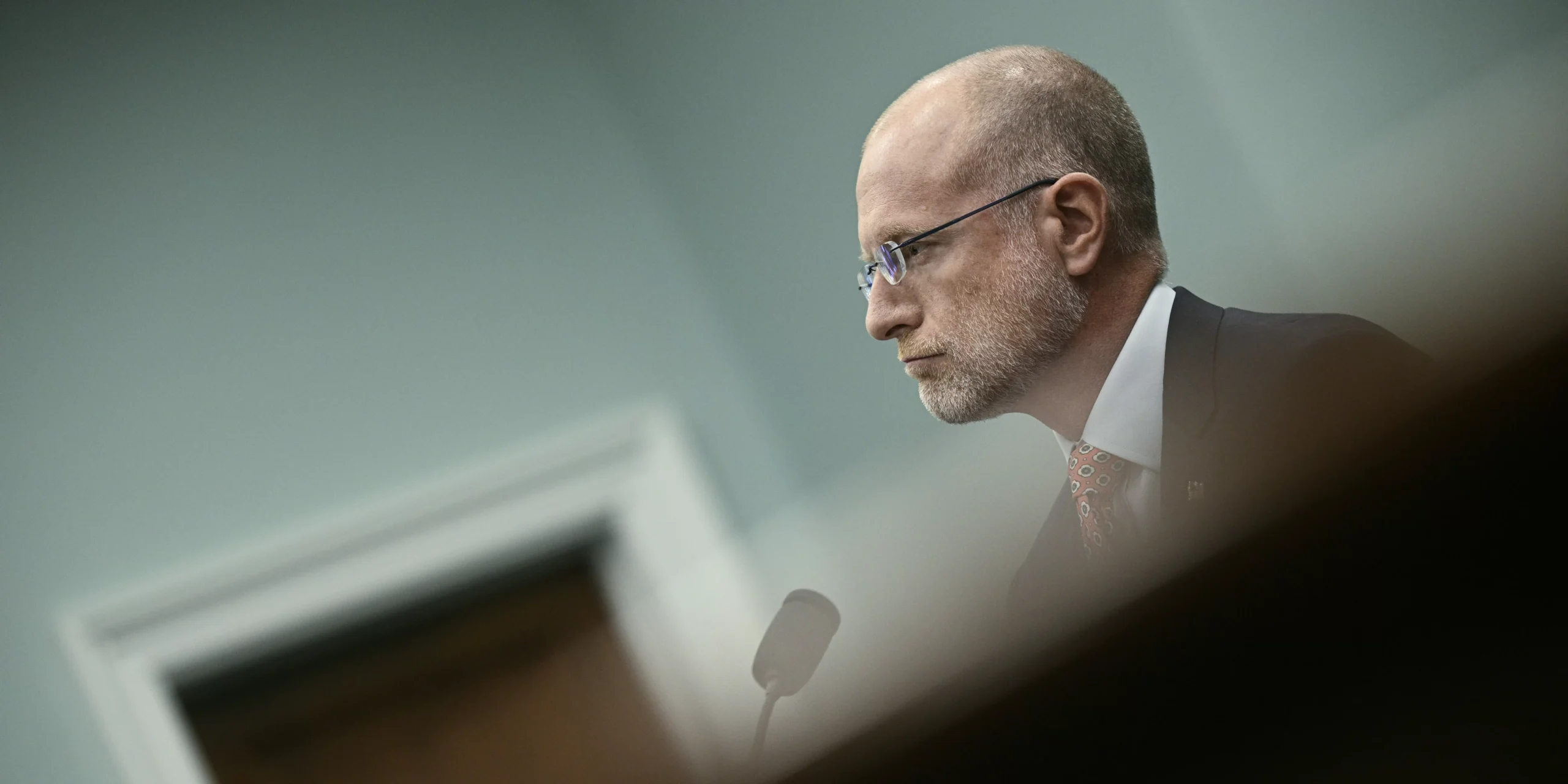
Brendan Carr, the Republican commissioner of the Federal Communications Commission (FCC), is once again making headlines with his latest plan to restrict communication for those who are incarcerated. This move, which has largely gone unnoticed by the media, is a blatant attempt to silence the voices of those who use cellphones to expose abuses in prison.
In recent years, cellphones have become a vital tool for incarcerated individuals to communicate with the outside world. They use these devices to stay in touch with their loved ones, access important information, and most importantly, to expose the injustices and abuses that occur within the prison system. However, Carr’s plan seeks to take away this lifeline and further isolate those who are already marginalized and voiceless.
Under the guise of “security concerns,” Carr is proposing to block all cellphone signals within prisons, effectively cutting off all communication for inmates. This means that they will no longer be able to make calls, send texts, or access the internet using their personal devices. This move is not only a violation of their basic human rights, but it also goes against the very principles of a free and democratic society.
Carr’s plan is not only unjust, but it is also impractical. The reality is that even if cellphone signals are blocked within prisons, inmates will find other ways to communicate. They will resort to using contraband phones, which are often smuggled in by corrupt prison staff. This will not only create a black market for cellphones within prisons but also pose a serious security threat.
Moreover, Carr’s plan fails to address the root cause of the issue – the rampant abuse and mistreatment of inmates within the prison system. Instead of silencing those who speak out against these injustices, the focus should be on addressing and rectifying the systemic problems within the prison system.
It is also important to note that Carr’s plan will not only affect inmates but also their families and loved ones. Many families rely on cellphone communication to stay connected with their incarcerated loved ones, and this move will only add to their already heavy burden. It will also have a significant impact on the legal system, as lawyers will no longer be able to communicate with their clients who are behind bars.
Carr’s proposal is not only misguided but also goes against the very principles of the FCC, which is supposed to promote and protect the interests of the public. It is clear that his plan is driven by political motives rather than genuine concern for public safety. It is a blatant attempt to silence those who are already marginalized and prevent them from speaking out against the injustices they face.
It is also worth noting that this is not the first time Carr has attempted to restrict communication for incarcerated individuals. In 2017, he proposed a similar plan, which was met with strong opposition from civil rights groups and prison reform advocates. However, it seems that he is determined to push this agenda forward, despite the clear violation of human rights and the potential harm it will cause.
It is time for the public to speak out against this latest censorship push by the FCC. We cannot allow the voices of those who are already silenced to be further suppressed. We must stand in solidarity with incarcerated individuals and demand that their basic human rights, including the right to communication, be respected and protected.
In conclusion, Brendan Carr’s plan to block cellphone signals within prisons is a blatant attack on the freedom of speech and a violation of human rights. It will not only fail to address the root cause of the issue but also have far-reaching consequences for inmates, their families, and the legal system. It is time for the FCC to prioritize the interests of the public and reject this unjust and impractical proposal. We must not allow the voices of the incarcerated to be silenced any further.