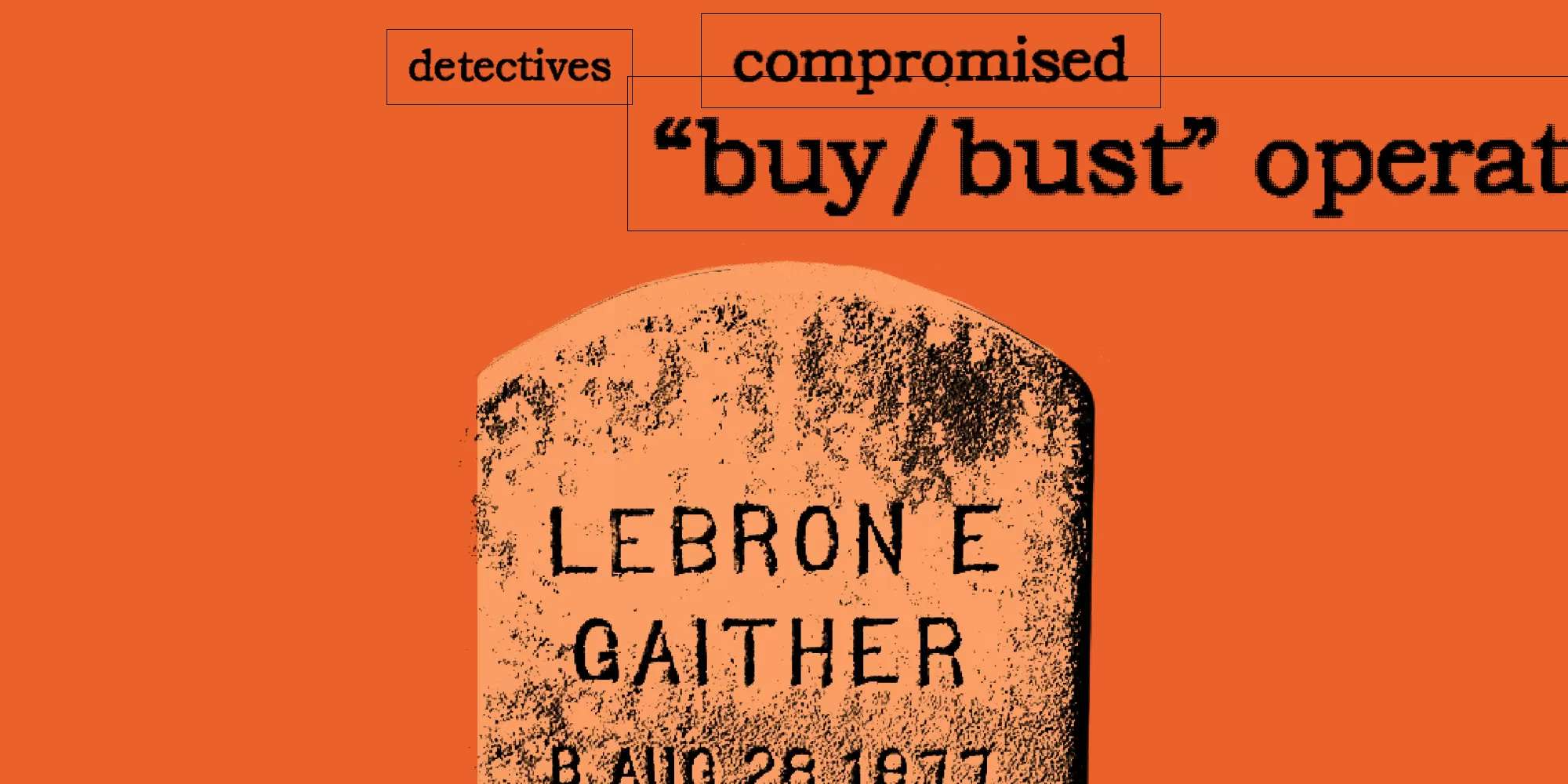
The criminal justice system is meant to protect and serve the people, but what happens when it fails to do so? The recent tragic death of LeBron Gaither, a young man who was recruited by the police as a confidential informant, sheds light on a disturbing reality – how these informants are seen as disposable by the very system that uses them.
LeBron Gaither was just 15 years old when he was recruited by the police to work as a confidential informant. He was promised a chance to turn his life around and make some money. But little did he know that this decision would ultimately cost him his life.
In the third episode of the podcast series “Blown Cover” by The Intercept, the story of LeBron Gaither is brought to light. It is a heart-wrenching tale of a young man who was caught in the crossfire of the criminal justice system. He was used as a pawn by the police to gather information on drug dealers, and when his cover was blown, he was left to fend for himself.
LeBron’s story is not an isolated incident. In fact, it is a common practice for law enforcement agencies to use confidential informants to gather information and evidence on criminal activities. These informants are often individuals who have a criminal record or are involved in illegal activities themselves. They are promised leniency or financial rewards in exchange for their cooperation.
But what happens when these informants are no longer useful to the police? They are left to face the consequences of their actions alone. They are seen as disposable by the very system that used them to gather information. This is a gross injustice and a violation of their rights.
The criminal justice system has a responsibility to protect and support these informants, especially when their lives are at risk. But unfortunately, this is not always the case. In many instances, these informants are not given proper protection or support, and their identities are not kept confidential. This puts their lives in danger, and they become easy targets for retaliation from the criminals they have informed on.
LeBron Gaither’s story is a tragic example of how the criminal justice system failed to protect a young man who was trying to turn his life around. He was recruited by the police at a vulnerable age and was promised a chance to make some money. But when his cover was blown, he was left to face the consequences alone. He was killed by a drug dealer, and his death could have been prevented if the system had taken proper measures to protect him.
It is time for the criminal justice system to take a hard look at how it treats confidential informants. These individuals are often from marginalized communities and are vulnerable to exploitation by law enforcement agencies. They should not be seen as disposable pawns in the fight against crime. Instead, they should be given proper protection, support, and resources to help them turn their lives around.
Moreover, the use of confidential informants raises ethical concerns. These individuals are often coerced into working with the police, and their rights are not always respected. The system needs to have stricter guidelines and regulations in place to ensure that the rights of these informants are protected.
In conclusion, the story of LeBron Gaither is a tragic reminder of how the criminal justice system fails to protect those who are most vulnerable. Confidential informants like him are seen as disposable by the system, and their lives are put at risk. It is time for a change. The system needs to prioritize the safety and well-being of these informants and provide them with the support they need. Only then can we truly say that the criminal justice system is serving its purpose of protecting and serving the people.