A Spate of State-Level Legislation Purports to Curb Chinese Influence, But Is There More at Play?
In recent years, there has been a significant rise in state-level legislation targeting Chinese influence in various industries. From business and academia to technology and media, this wave of anti-China sentiment has sparked concerns of a “second Red Scare” reminiscent of the Cold War era.
While the intentions behind such measures may seem noble, there is mounting evidence that these efforts are being driven by dark money and may end up hurting not only Chinese interests, but also ordinary businesses and individuals.
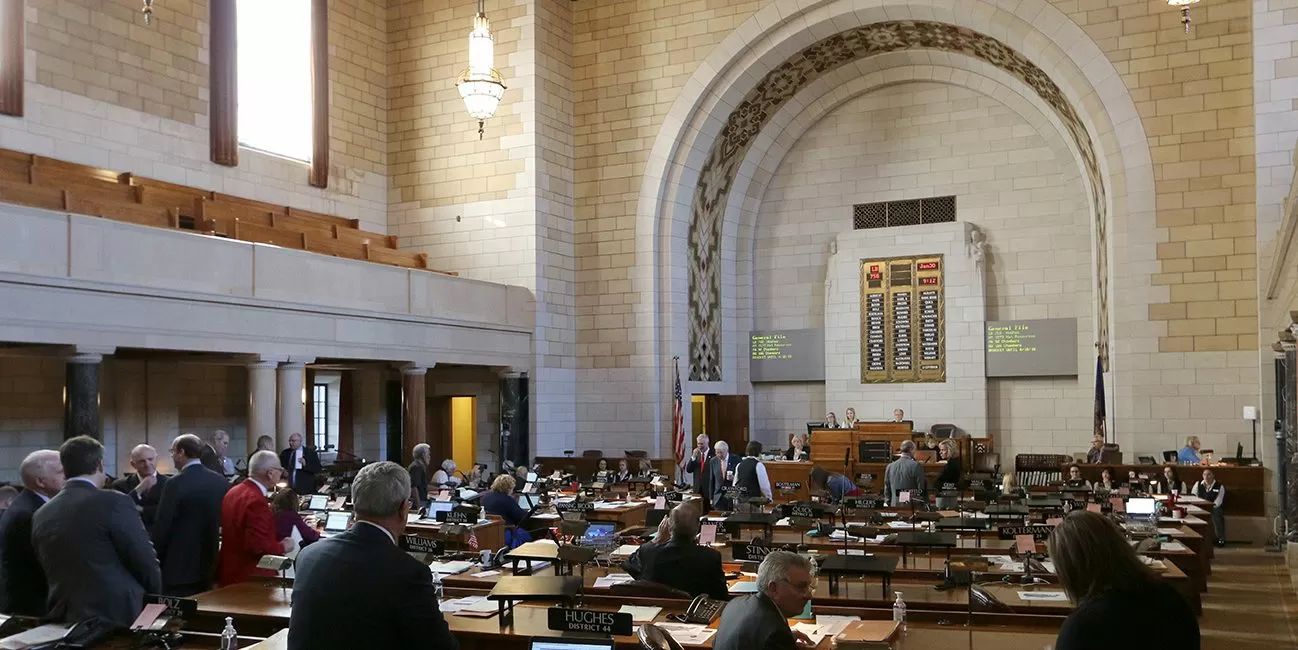
The Intercept recently published an investigative report highlighting the role of shadowy organizations and wealthy donors in pushing for these anti-China laws in state legislatures across the country. These efforts, often disguised as “public interest” initiatives, are in fact being bankrolled by wealthy individuals with their own agendas, often tied to the defense industry or anti-China organizations.
One such organization, the “Committee on the Present Danger: China”, has been actively supporting and lobbying for these laws through a network of affiliated groups and individuals. This committee, which describes itself as a “non-partisan, public education, and policy advocacy organization”, has been receiving millions of dollars in funding from conservative donors and corporations with a vested interest in demonizing China.
Their messaging has successfully painted China as a looming threat to U.S. interests, leading to the introduction of legislation targeting Chinese businesses and investments in several states. These laws are often broad and vague, leaving room for interpretation and potential abuse. They require businesses and institutions to disclose any foreign contracts or partnerships, and seek to limit Chinese investment and participation in certain industries.
On the surface, these laws may seem like a necessary safeguard against China’s growing influence. But in reality, they could have detrimental effects on American businesses and individuals, as well as global relations.
The first and most obvious consequence of these laws is the potential backlash against Chinese businesses and investors. With increased scrutiny and restrictions, Chinese companies may be hesitant to invest in the U.S., leading to a loss of potential job opportunities and economic growth. Moreover, Chinese-owned businesses already operating in the country may face discrimination and harassment, further damaging the already fragile U.S.-China relationship.
In addition, these laws could also harm American businesses that have ties to China or rely on Chinese investments. Many U.S. companies have supply chains, partnerships, and customers in China, and any disruptions caused by these laws could have a ripple effect on their operations and profitability.
Furthermore, these measures could also have a chilling effect on academic and cultural exchange programs between the two countries. As tensions rise, there is a risk of Chinese students and scholars facing increased scrutiny and suspicion, damaging the diversity and intellectual exchange on American campuses.
The “second Red Scare” narrative also has the potential to lead to racial profiling and discrimination against Chinese and Asian Americans. In the past, anti-China rhetoric has been used to stoke fear and prejudice against Chinese and Asian communities, and these laws could exacerbate this issue.
It is important to acknowledge and address legitimate concerns about Chinese influence and interference in U.S. affairs. However, these state-level laws may not be the most effective way to do so. A more comprehensive and strategic approach, involving cooperation and dialogue between the two countries, may yield better results in safeguarding American interests without causing undue harm to innocent parties.
In conclusion, the recent surge in state-level legislation targeting Chinese influence raises important questions about its underlying motivations and potential consequences. It is crucial that we do not let fear and misinformation drive our policies and actions. Let us work towards finding common ground and building a mutually beneficial relationship with China, rather than falling into the trap of a “second Red Scare”.