In a world where social media has become an integral part of our lives, platforms like YouTube have the power to shape public opinion and bring attention to important issues. However, recent events have shown that even these tech giants are not immune to political pressure and censorship.
In a shocking move, YouTube deleted the accounts of three prominent Palestinian human rights groups, Al-Haq, Al-Mezan, and the Palestinian Centre for Human Rights. This decision was made in response to sanctions imposed by the Trump administration on the International Criminal Court (ICC) for its investigation into alleged war crimes committed by Israel in Palestine.
This move by YouTube is not just a matter of deleting a few accounts, it is a clear capitulation to political pressure and a violation of the right to freedom of expression. These human rights groups have been documenting and exposing Israeli human rights violations in Palestine for years, and their work is crucial in holding perpetrators accountable and seeking justice for victims.
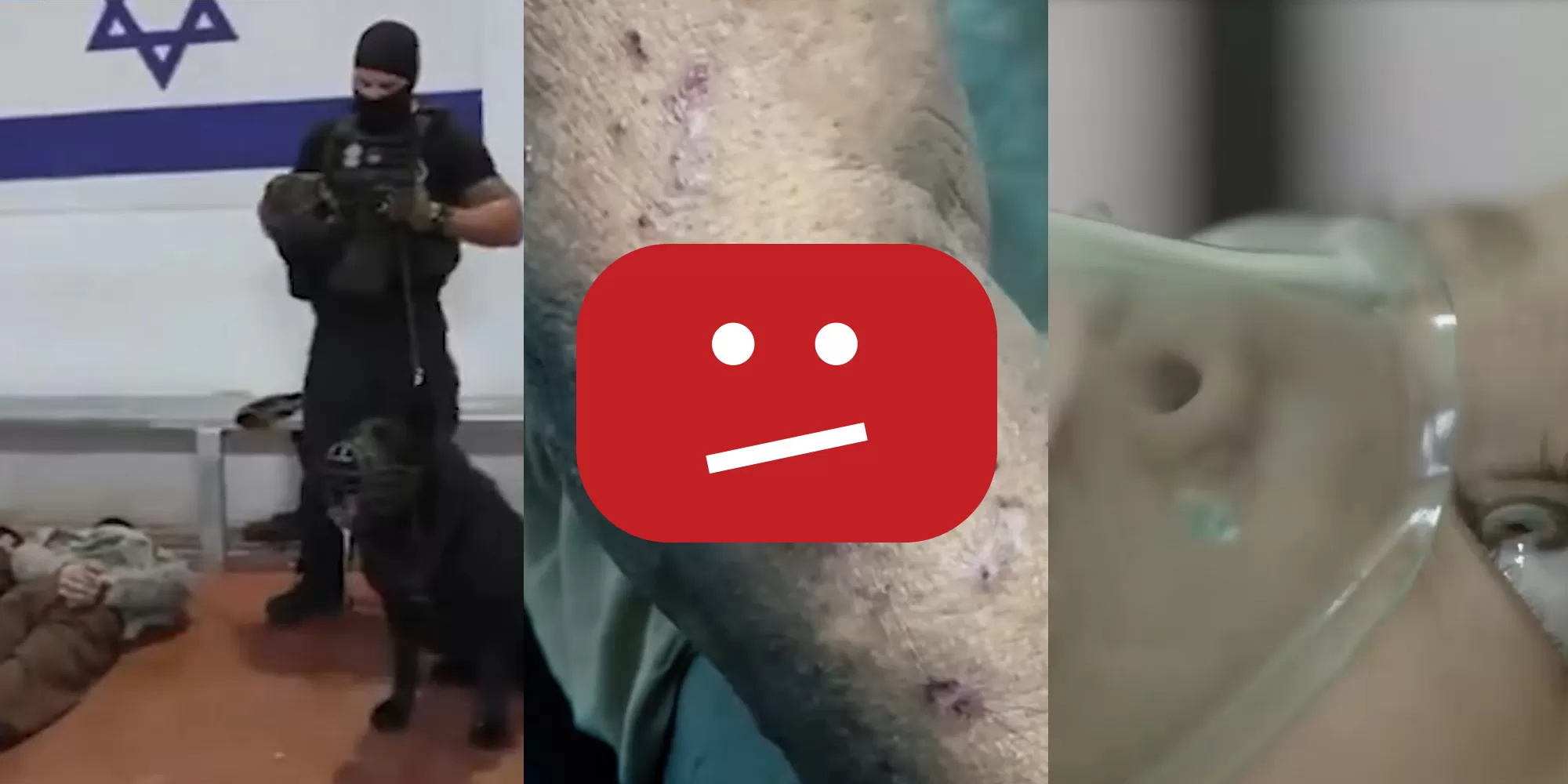
But this is not the first time that YouTube has silenced voices that speak out against Israeli human rights abuses. In fact, a recent report by the online news publication The Intercept revealed that YouTube has quietly removed more than 700 videos documenting Israeli human rights violations in Palestine. These videos, which were uploaded by individuals and organizations, showed evidence of Israeli soldiers committing atrocities against Palestinians, including killings, detentions, and abuses of children.
The fact that YouTube has taken such drastic measures to remove these videos and accounts should raise serious concerns about the platform’s commitment to freedom of expression and its role in shaping public discourse. By censoring these videos and accounts, YouTube is not only silencing the voices of Palestinian victims but also hindering the public’s access to important information about human rights abuses in Palestine.
In a statement, YouTube claimed that the removal of these accounts was in line with their policies on hate speech and content that promotes violence. However, it is evident that these accounts were not promoting hate or violence, but rather shedding light on the reality of human rights violations in Palestine. This is a clear case of censorship and an attempt to control the narrative surrounding the situation in Palestine.
The actions of YouTube also raise questions about the power of social media platforms and their responsibility towards their users. As a popular platform with billions of users, YouTube has a moral obligation to ensure that its policies are not influenced by political pressure and that it does not become a tool for censorship.
It is also concerning that this move by YouTube comes at a time when the world is already facing a global pandemic and when the people of Palestine are in dire need of support and solidarity. By deleting these accounts, YouTube is not only silencing important voices but also hindering efforts to hold perpetrators accountable and bring justice to victims.
In response to these actions, many human rights organizations and activists have called for a boycott of YouTube and other social media platforms. This is a crucial step in sending a strong message to these tech giants that we will not stand for censorship and that we demand transparency and accountability in their policies.
In conclusion, the deletion of the accounts of Palestinian human rights groups by YouTube is a clear violation of the right to freedom of expression and a capitulation to political pressure. This move not only silences important voices but also hinders efforts to seek justice for victims of human rights abuses in Palestine. It is time for social media platforms to take responsibility for their actions and ensure that they do not become tools for censorship and propaganda. We must continue to raise our voices and demand that these platforms uphold the values of free speech and human rights.