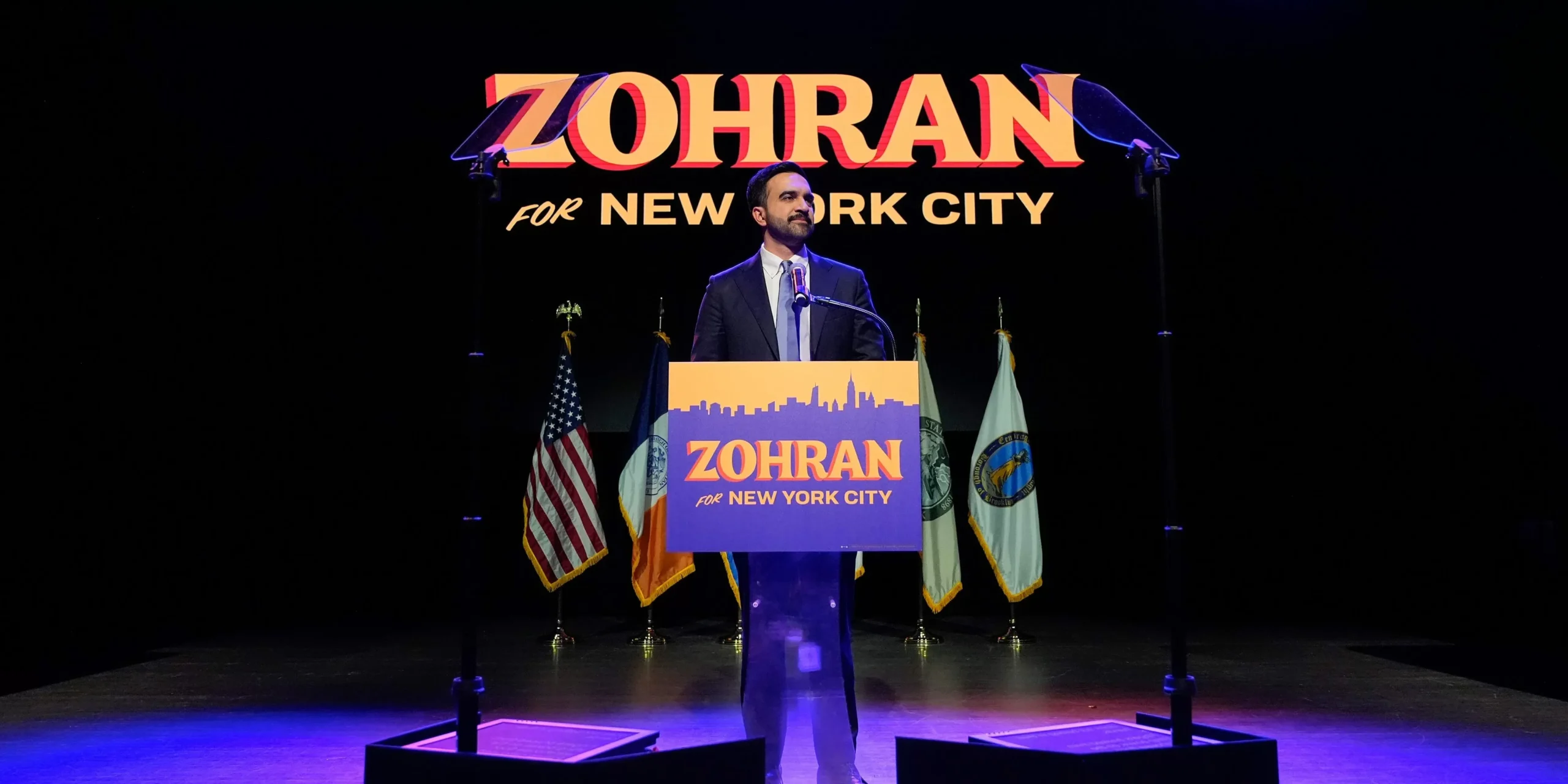
As a newcomer to the political arena, Zohran Mamdani has already made waves with his progressive agenda for New York. But one key question remains: will he be able to effectively implement his policies with the New York Police Department (NYPD) and its powerful union as potential roadblocks? In a recent interview with The Intercept, Mamdani shared his thoughts on the matter, shedding light on his approach to working with the NYPD and the challenges that lie ahead.
Mamdani’s ambitious platform includes calls for defunding the police, ending broken windows policing, and holding officers accountable for their actions. However, despite his progressive stance, he took a unique approach during his campaign by not directly attacking the police. This strategic decision was met with both admiration and criticism, with some questioning whether he has what it takes to effectively work with the police and bring about meaningful change.
In response, Mamdani stated that his decision not to vilify the police was not a sign of weakness, but rather a recognition of the realities of campaigning in New York City. He explained that the NYPD and its powerful union hold significant influence over the city’s politics and public opinion, and that attacking them head on would have only hurt his chances of winning. Nonetheless, he remains committed to his vision for police reform and is determined to work with the NYPD in a collaborative and constructive manner.
Mamdani’s approach to the police is rooted in his own personal experiences as a South Asian Muslim growing up in New York. He shared that he has witnessed firsthand the struggles of his community, who are often targeted and disproportionately impacted by the police. He also emphasized the need for diversity in the police force, stating that it is crucial for officers to reflect the communities they serve in order to build trust and understanding.
But how exactly does Mamdani plan to navigate the complexities of the NYPD and its union? He believes that communication and collaboration are key. He has already met with NYPD officials and has promised to continue engaging with them to find common ground and work towards implementing his proposals. He also plans to enlist the support of community organizations and advocates who have been working tirelessly for police reform, and to utilize his position as a state legislator to introduce and pass meaningful legislation.
While he acknowledges that change will not happen overnight, Mamdani remains optimistic. He believes that there are many officers within the NYPD who genuinely want to see positive change and that by working together, they can make it happen. He also stressed the importance of building bridges and fostering understanding between law enforcement and the communities they serve.
Mamdani’s willingness to engage and collaborate with the NYPD and its union is a testament to his pragmatic and inclusive approach to politics. He recognizes that in order to bring about real change, all stakeholders must be involved, including those who may not share his views. By choosing to work with, rather than against the police, Mamdani is showing that he is not afraid to face the challenges ahead and is committed to finding solutions that benefit all New Yorkers.
In a time when the relationship between communities and law enforcement is strained and trust is lacking, Mamdani’s approach is refreshing and offers hope for a more harmonious future. As he takes on his new role as a state legislator, it will be interesting to see how his relationship with the NYPD and its union evolves and how he will be able to bring about the much-needed changes to the city’s policing system. One thing is for sure, with Mamdani at the helm, there is a renewed sense of optimism and determination for a better and more just New York.