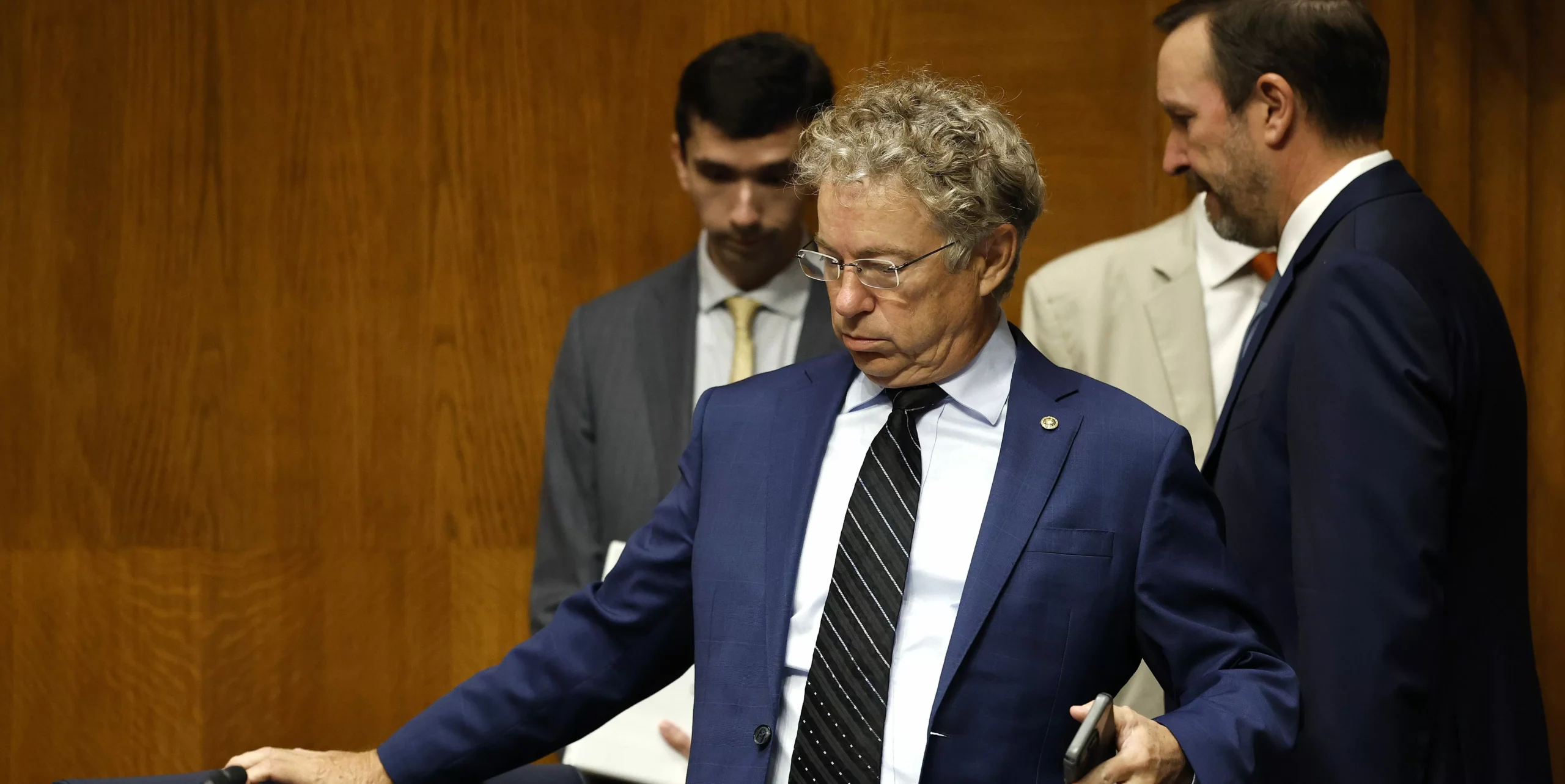
In a recent move that has sparked controversy and debate, Senator Rand Paul, along with his colleagues Tim Kaine and Adam Schiff, introduced a war powers resolution in an attempt to block potential U.S. military intervention in Venezuela. This resolution, which was seen as a last-ditch effort to prevent further escalation of the crisis in Venezuela, was met with resistance from the Trump administration and his supporters.
The situation in Venezuela has been deteriorating for years, with the country facing economic collapse, political turmoil, and a humanitarian crisis. The recent power struggle between President Nicolas Maduro and opposition leader Juan Guaido has only added to the chaos, with both sides claiming legitimacy and support from the international community.
Amidst this turmoil, the United States has been closely monitoring the situation and has been vocal in its support for Guaido and his call for Maduro to step down. However, the possibility of military intervention has been a point of contention, with many arguing that it would only worsen the situation and lead to further suffering for the Venezuelan people.
This is where Senator Rand Paul stepped in. Known for his non-interventionist stance and his strong opposition to military action, Paul, along with his colleagues, introduced a war powers resolution that would require congressional approval for any U.S. military action in Venezuela. This move was seen as a last chance to prevent a potential war and to uphold the principles of democracy and the rule of law.
In a passionate speech on the Senate floor, Senator Paul warned of the dangers of warmongering and stressed the importance of congressional oversight in matters of war. He reminded his colleagues that the power to declare war lies with Congress, not the president, and that it is their duty to ensure that any military action is in the best interest of the American people.
However, despite Paul’s efforts, the war powers resolution was ultimately rejected by the Trump administration and his supporters. The President, who has been vocal in his support for Guaido and his calls for Maduro to step down, dismissed the resolution as a “publicity stunt” and insisted that all options were still on the table.
This rejection of the war powers resolution has raised concerns among many, who fear that the U.S. may be inching closer to military intervention in Venezuela. It has also sparked a debate about the role of Congress in matters of war and the need for checks and balances to prevent the abuse of power.
But amidst all this, one thing is clear – Senator Rand Paul’s efforts to block potential military action in Venezuela have not gone unnoticed. His unwavering commitment to upholding the principles of democracy and his determination to prevent another unnecessary war have earned him praise and admiration from many.
In a time when partisan politics seem to be the norm, Senator Paul’s actions serve as a reminder that there are still politicians who are willing to put aside their differences and stand up for what they believe is right. His courage and conviction have inspired many and have given hope to those who are tired of endless wars and military interventions.
As the situation in Venezuela continues to unfold, it is important for us to remember the words of Senator Paul – “Warmongers may think war is inevitable, but it is not. It is a choice. And it is a choice that we, as a country, must make wisely.” Let us hope that our leaders make the right choice and that peace and democracy prevail in Venezuela.