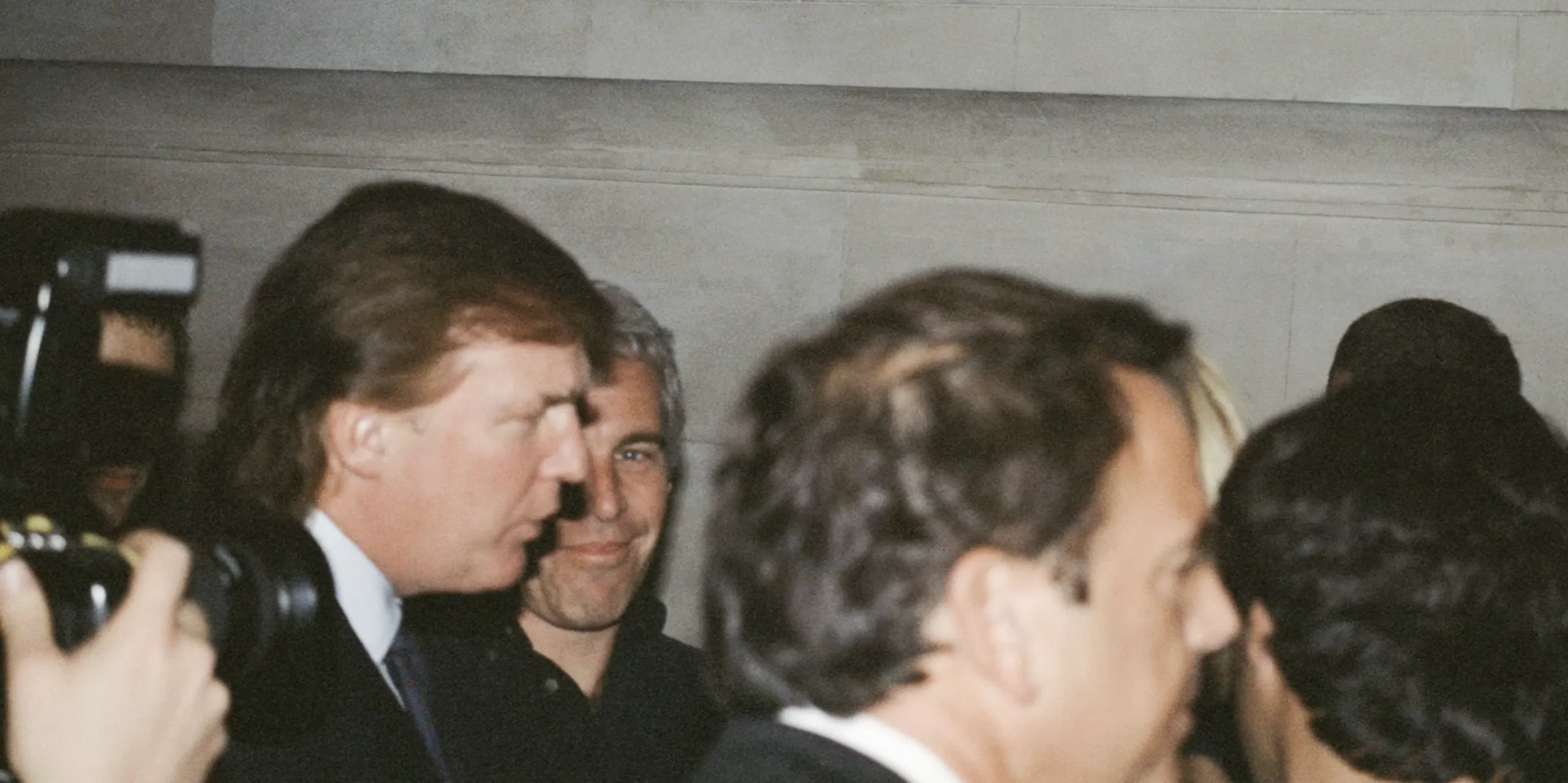
The recent revelations about Jeffrey Epstein and his connections to powerful figures have shaken the public’s trust in the media. In particular, a series of exchanges between a New York Times journalist and Epstein have raised troubling questions about what the newspaper knew and when they knew it. This disturbing development has once again brought into question the integrity and responsibility of the press.
It was revealed that Epstein had been providing tips about Donald Trump to New York Times reporter James B. Stewart. These tips, which included information about Trump’s financial dealings, were never reported by the newspaper. This raises the question: why did the New York Times fail to publish this information, especially given the current political climate and the scrutiny surrounding Trump’s presidency?
The New York Times prides itself on being the “paper of record” and upholding the highest standards of journalism. However, their failure to report on the information provided by Epstein has left many wondering if the newspaper was protecting Trump or if there was a larger conspiracy at play. It is important to note that Epstein had a close relationship with Trump and was even a member of his Mar-a-Lago club. This raises further concerns about the nature of their relationship and the possibility of collusion.
The fact that Epstein chose to share this information with a journalist from the New York Times is also significant. It suggests that he may have been trying to manipulate the media and steer the narrative in a certain direction. By withholding this information, the New York Times may have inadvertently played into Epstein’s hands and allowed him to control the narrative.
The lack of reporting on Epstein’s tips about Trump is not only a failure on the part of the New York Times, but it also raises broader questions about the media’s role in holding those in power accountable. In today’s political climate, it is crucial for the media to be transparent and unbiased in their reporting. The public relies on the media to provide them with accurate and timely information, especially when it comes to the actions and behaviors of those in positions of power.
The New York Times has a responsibility to its readers to report on all relevant and newsworthy information, regardless of political affiliations or potential consequences. By not reporting on Epstein’s tips about Trump, the newspaper has failed to uphold this responsibility. This not only damages their credibility but also undermines the public’s trust in the media as a whole.
In light of these revelations, the New York Times must take immediate action to address the situation and restore the public’s trust. They must provide a thorough and transparent explanation for why they chose not to report on Epstein’s tips about Trump. Additionally, they must review their editorial policies and procedures to ensure that such lapses in reporting do not occur in the future.
It is also important for the New York Times to acknowledge the gravity of the situation and take responsibility for their actions. The public deserves an apology for the failure to report on this important information. The media plays a critical role in our society, and it is imperative that they are held accountable for their actions.
In conclusion, the recent exchanges between a New York Times journalist and Jeffrey Epstein have brought to light serious questions about the newspaper’s reporting and integrity. The failure to report on Epstein’s tips about Trump raises concerns about the media’s role in holding those in power accountable. It is crucial for the New York Times to address this issue and take steps to restore the public’s trust in their reporting. The public deserves transparency and accountability from the media, and it is the responsibility of the New York Times and other news outlets to provide it.