
Afghan Women Face Unrecognizable Lives After Five Years Under Taliban Rule
Afghan women describe dramatic changes after five years of Taliban governance, including public floggings, job loss, and healthcare barriers affecting their sur...
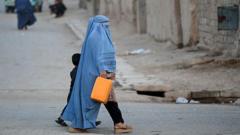
Afghan Women's Lives Transformed Beyond Recognition After Half Decade of Taliban Governance
Afghan women continue to endure unprecedented challenges as their lives have become unrecognizable following five years under Taliban rule. Across the nation, women from diverse backgrounds describe a stark transformation marked by severe restrictions on freedoms, employment opportunities, and access to essential healthcare services that pose serious threats to their wellbeing and survival.
Physical Punishment and Public Humiliation
One of the most troubling aspects reported by Afghan women involves the implementation of corporal punishment in public settings. Female residents describe witnessing and experiencing public floggings as a form of enforcement for perceived violations of Taliban-imposed regulations. These harsh measures represent a return to practices that international human rights organizations have condemned as cruel and degrading, affecting the physical and psychological health of women throughout the country.
The prevalence of such punishments creates an atmosphere of fear and intimidation. Afghan women express concern not only for their immediate physical safety but also for the psychological toll these practices inflict on their communities. The visibility of public corporal punishment serves as a deterrent, forcing many women to strictly conform to Taliban regulations regardless of their personal beliefs or circumstances.
Widespread Employment Barriers Devastating Livelihoods
Economic hardship has intensified for Afghan women as widespread restrictions have eliminated access to employment opportunities across numerous sectors. Women who previously held professional positions in government, education, healthcare, and business now find themselves excluded from the workforce entirely. This sudden loss of income has created unprecedented financial crises for countless families dependent on women's earnings.
The employment restrictions targeting Afghan women extend beyond simple job losses; they represent a systematic exclusion from economic participation. Many sectors have been explicitly closed to female workers, and those that theoretically remain accessible often impose such stringent conditions that they become practically inaccessible. This economic marginalization has forced many women into severe poverty, relying on limited family support or humanitarian assistance.
Female-headed households face particularly acute challenges, as women who were sole breadwinners can no longer support their families legally. The absence of alternative income opportunities has pushed some women into informal and often unsafe economic activities, further compromising their security and dignity.
Healthcare System Collapse Endangers Women and Children
Perhaps most critically, Afghan women report facing dangerous barriers when attempting to access healthcare services. Restrictions limiting female healthcare workers have created severe shortages in medical facilities, while regulations requiring male accompaniment for female patients seeking treatment have prevented many women from receiving necessary medical attention. These barriers have direct and often fatal consequences.
Pregnant women and mothers requiring obstetric care face particularly severe challenges. The restrictions on female medical professionals combined with cultural and regulatory requirements for male accompaniment have made it increasingly difficult for women to access prenatal care, delivery services, and postnatal treatment. This situation has resulted in elevated maternal mortality rates and preventable complications during pregnancy and childbirth.
Afghan women also report delays in seeking treatment for acute illnesses and injuries due to these bureaucratic and cultural obstacles imposed by Taliban governance. The lack of female healthcare providers in many regions means women cannot receive examinations and treatment from practitioners of their own gender, creating additional barriers rooted in cultural and religious considerations. These healthcare access restrictions have transformed what should be basic medical services into dangerous ordeals.
Education and Future Opportunities Closed Off
Secondary and higher education opportunities have been systematically restricted for Afghan women, closing pathways to future advancement. Young girls have been excluded from schools, while women pursuing university education have faced significant limitations. This educational exclusion perpetuates cycles of poverty and dependence, limiting women's ability to participate in professional and civic life.
Daily Life Under Constant Restrictions
Beyond these major areas, Afghan women navigate constant restrictions on movement, clothing requirements, and social participation. The comprehensive nature of limitations affecting Afghan women creates a pervasive sense of confinement and loss of autonomy. Many women describe their current existence as fundamentally unrecognizable compared to their lives before Taliban rule resumed.
The cumulative impact of these restrictions—public punishment, employment exclusion, healthcare barriers, educational limitations, and daily movement constraints—has created a situation where Afghan women face unprecedented challenges to their safety, health, economic security, and personal freedom. International observers and human rights organizations continue documenting these conditions as evidence of systematic restrictions on women's rights under Taliban governance.