
AI Detects Heart Disease in Women Using Mammograms
Revolutionary study reveals how artificial intelligence can identify cardiovascular disease through routine breast cancer mammograms, improving women's health s...
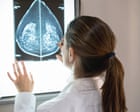
Artificial Intelligence Transforms Breast Cancer Screening into Cardiovascular Health Tool
A groundbreaking discovery has emerged showing that AI detects heart disease in women through mammograms, fundamentally changing how medical professionals approach routine cancer screenings. Researchers have successfully developed technology that leverages existing breast imaging to simultaneously identify serious cardiovascular conditions, addressing a critical gap in women's healthcare where heart disease remains the leading cause of mortality, yet frequently goes undiagnosed until it becomes critical.
The Innovation Behind AI-Powered Mammogram Analysis
The research team employed sophisticated artificial intelligence algorithms to analyze standard mammogram images, enabling the system to identify multiple cardiovascular risk factors simultaneously. This dual-purpose approach means that women undergoing routine breast cancer screenings can now benefit from an additional layer of diagnostic capability, potentially catching life-threatening heart conditions before symptoms manifest.
When AI detects heart disease in these mammogram scans, it identifies distinctive patterns and markers associated with coronary heart disease, hypertension, and previous stroke events. The technology examines vascular characteristics and calcification patterns visible in breast tissue imaging, translating subtle radiological signs into actionable medical intelligence.
Key Findings from the Cardiovascular Screening Study
The research demonstrates remarkable accuracy in identifying women at risk for major cardiovascular events. Through AI-powered analysis, investigators successfully pinpointed patients with established coronary heart disease, those suffering from elevated blood pressure requiring medical intervention, and individuals with histories of cerebrovascular incidents. This comprehensive detection capability represents a significant advancement over traditional single-purpose screening methods.
The implications extend beyond individual patient care, as this technology could revolutionize population health strategies. By extracting cardiovascular diagnostic data from mammograms already being performed for cancer detection, healthcare systems can implement more efficient, cost-effective screening protocols without requiring additional imaging procedures or patient burden.
Why Women's Heart Disease Remains Underdiagnosed
Despite being the leading cause of female mortality worldwide, heart disease in women frequently escapes detection until advanced stages. Contributing factors include atypical symptom presentations in women, gender-based diagnostic bias, and insufficient awareness among both patients and healthcare providers regarding cardiovascular risk specific to female populations. This diagnostic gap creates a dangerous situation where preventable complications develop unchecked.
The emerging AI technology addresses this critical oversight by providing objective, consistent analysis of existing imaging data. When artificial intelligence detects heart disease during routine screening, it offers an opportunity for early intervention, lifestyle modification, and appropriate medical management before acute cardiovascular events occur.
Integration into Clinical Practice
Healthcare institutions are beginning to recognize the transformative potential of this integrated screening approach. By implementing AI systems that can analyze mammograms for both breast and cardiovascular pathology, medical centers can enhance diagnostic comprehension without disrupting established screening workflows or requiring patients to undergo additional procedures.
The technology operates through machine learning algorithms trained on extensive datasets of mammographic images linked to known cardiovascular outcomes. These systems identify subtle radiological patterns invisible to human observers, providing radiologists with supplementary diagnostic information to support clinical decision-making and patient risk stratification.
Future Implications for Women's Health Screening
As AI detects heart disease through mammographic analysis continues developing, opportunities emerge for comprehensive, multi-system health assessments through single imaging procedures. This represents a paradigm shift in preventive medicine, where routine cancer screening transforms into a more holistic health evaluation.
The research underscores the importance of integrating advanced technology into existing healthcare infrastructure strategically. Rather than creating entirely new screening pathways, leveraging artificial intelligence to extract additional diagnostic value from procedures already widely performed offers unprecedented efficiency gains and health outcomes improvements.
Moving forward, validation studies and clinical implementation frameworks will be essential to establishing standardized protocols for AI-assisted cardiovascular detection through mammography. Healthcare providers, regulatory bodies, and technology developers must collaborate to ensure this innovation reaches patients who would benefit most, particularly women with undiagnosed cardiovascular risk factors who participate in routine cancer screening programs.