
Alarming Sale of Veterinary Drugs as Cancer Cures, BBC Reveals
BBC investigation uncovers dangerous scam where dewormer and anti-scabies medications are illegally marketed as cancer treatments to vulnerable patients.
Dangerous Deception: Veterinary Drugs Marketed as Cancer Remedies
A major cancer treatment fraud has been exposed through an investigative journalism effort by the BBC, revealing a widespread scam involving the unauthorized sale of cancer treatment imitations. The investigation uncovers how unscrupulous vendors are promoting veterinary-grade deworming agents and anti-parasitic medications to desperately ill patients as legitimate cancer remedies capable of reducing tumour growth.
The cancer treatment fraud scheme targets some of society's most vulnerable populations—individuals facing terminal diagnoses who are willing to explore unconventional therapeutic options. These fraudsters exploit the desperation and fear that accompanies life-threatening illness, presenting themselves as knowledgeable health advocates while distributing pharmaceuticals never intended for human consumption.
Case Study: A Terminally Ill Patient's Encounter
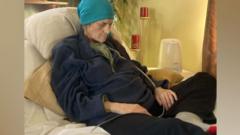
One particularly troubling incident involved a man with terminal illness who was approached by an individual working in the mobility assistance sector. The salesman, operating outside his legitimate professional capacity, presented himself as having specialized knowledge about cancer treatment alternatives. He actively promoted substances he claimed possessed tumor-shrinking properties, fundamentally misrepresenting the composition and efficacy of these medications.
This incident exemplifies how cancer treatment fraud operates across multiple professional boundaries. Individuals without medical credentials or pharmaceutical expertise position themselves as intermediaries in healthcare decisions, deliberately misleading patients about the origins and capabilities of the substances they promote.
Understanding the Medications Involved
The substances being fraudulently marketed consist primarily of veterinary-grade deworming agents and scabies treatments—medications formulated exclusively for animal healthcare applications. These products undergo rigorous testing and quality control exclusively for veterinary use, with no human clinical trials or safety validation for treating malignant neoplasms.
The cancer treatment fraud scheme exploits patients' limited understanding of pharmaceutical regulation and development. Most terminally ill patients lack the medical background to comprehend why drugs designed for animal parasitic infections would have absolutely no scientific basis for treating human cancers, allowing fraudsters to construct persuasive narratives around these entirely unsuitable substances.
Public Health Implications and Regulatory Concerns
This cancer treatment fraud represents a significant public health hazard beyond financial exploitation. Patients redirecting resources toward fraudulent cancer remedies inevitably delay or abandon evidence-based medical interventions. Documented chemotherapy regimens, immunotherapy protocols, and radiation therapy—despite their side effects—offer genuine prospects for extending survival or improving quality of life.
By consuming unregulated veterinary formulations, patients expose themselves to unpredictable toxicity, harmful drug interactions with legitimate medications, and unknown contaminants present in products manufactured outside pharmaceutical oversight. The cancer treatment fraud perpetrators knowingly place vulnerable individuals at medical risk while enriching themselves through deception.
Regulatory Oversight and Consumer Protection
Health authorities face escalating challenges in combating cancer treatment fraud schemes that operate through informal networks and online platforms. The decentralized nature of modern commerce allows fraudsters to reach desperate patients while maintaining anonymity and evading regulatory detection.
Legitimate cancer treatment research continues advancing through peer-reviewed clinical investigations, not through promotion by individuals selling mobility equipment or other unrelated products. The BBC's exposure of this cancer treatment fraud serves as a critical reminder that authentic oncological breakthroughs originate from accredited research institutions, university medical centers, and pharmaceutical companies subject to stringent governmental oversight.
Protecting Vulnerable Patients from Cancer Treatment Fraud
Medical professionals emphasize that patients considering any cancer treatment alternative should consult their oncology team before pursuing additional interventions. Reputable cancer treatment options undergo transparent evaluation processes with published efficacy data and documented safety profiles.
The cancer treatment fraud perpetrators deliberately target individuals already experiencing profound vulnerability through serious illness. Awareness campaigns, regulatory enforcement, and patient education represent essential components in protecting desperate patients from predatory deception. Healthcare providers must remain vigilant in identifying and reporting suspicious marketing claims promoting unproven cancer remedies, particularly when distributed through non-medical channels.