
Andy Burnham Set to Become UK Prime Minister After Starmer Resignation
Andy Burnham is poised to succeed Keir Starmer as UK Prime Minister following the latter's resignation amid Labour party pressure and Reform UK concerns.
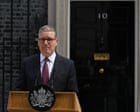
Andy Burnham Emerges as Clear Successor Following Starmer's Departure
Andy Burnham is now virtually certain to become the next UK Prime Minister after Keir Starmer announced his resignation as British Prime Minister, acknowledging that he no longer represents the right leadership direction for the nation. The newly elected Makerfield MP's path to No. 10 appears virtually uncontested, marking a significant turning point in Labour Party politics and reshaping the future direction of the British government.
The resignation of Keir Starmer comes after mounting internal pressure from Labour MPs and cabinet ministers who have grown increasingly concerned about the party's electoral prospects, particularly following the surge in support for Reform UK. This development opens the door for Andy Burnham to assume control of the party and establish a fresh political agenda that addresses the concerns raised during recent party discussions.
Circumstances Leading to Starmer's Exit
The prime minister's decision to step down represents an extraordinary moment at Westminster, following months of deteriorating confidence in his leadership. Sources indicate that sustained pressure from within the Labour Party hierarchy and cabinet-level concerns about electoral viability prompted Starmer to establish a timetable for his departure. The threat posed by Reform UK's growing influence on the political landscape became a central factor in discussions among Labour figures regarding the party's future electoral competitiveness.
Starmer's acknowledgment that he was no longer the appropriate figure to guide the country reflects the intensity of internal party dynamics and the broader strategic concerns that have dominated recent political discourse. The announcement of a departure timeline demonstrates a recognition of these substantial pressures and provides clarity for the transition process ahead.
Andy Burnham's Plans for Government
As Andy Burnham prepares for his ascension to the premiership, he is establishing a comprehensive policy agenda intended to mark a clear distinction from the Starmer administration. Beginning next week, the former Greater Manchester Mayor plans to deliver a series of significant policy speeches, with initial emphasis on economic matters and devolution—areas he views as critical to reshaping Britain's political landscape.
The incoming leader is currently evaluating potential cabinet appointments that would signal substantive departures from existing governance approaches. Among his considerations is appointing Ed Miliband as Chancellor of the Exchequer, a decision designed to challenge conventional Treasury orthodoxy and introduce fresh economic perspectives. However, sources close to Andy Burnham indicate that this decision remains tentative, with awareness of potential opposition from business sectors and trade unions who harbor reservations about such an appointment.
Cabinet Composition and Key Appointments
Shabana Mahmood is anticipated to retain her position as Home Secretary in the forthcoming administration. Andy Burnham has previously praised Mahmood's approach to immigration policy, particularly her willingness to confront challenging issues during recent campaign activities. This continuity reflects his confidence in her handling of crucial home affairs matters.
Wes Streeting represents another significant figure in ongoing cabinet deliberations, though sources suggest that while he may secure a senior position, he does not represent a fundamental challenge or advantage in the negotiation process. Some observers have advocated for his appointment as Chancellor, arguing that such a move would provide reassurance to financial markets. However, no definitive decision regarding Streeting's role has been finalized.
Remaining Political Uncertainties
Although Andy Burnham appears to face minimal organized opposition, elements within the Starmer loyalist faction continue exploring alternative candidates who might contest his leadership. Darren Jones has been mentioned as a potential challenger, though sources suggest he is not actively organizing a campaign. The ambiguity surrounding whether these figures will mount formal challenges adds a degree of unpredictability to the succession process.
The emergence of Andy Burnham as the presumptive next Prime Minister marks a transition that could reshape Labour's political positioning and electoral strategy heading toward the next general election. His emphasis on economic innovation and devolution suggests a distinct governing philosophy compared to the Starmer era, positioning the party to address internal party concerns while responding to external political threats.