
Bank of England's Cautious Inflation Strategy May Extend Rate Hikes
Niesr warns that the Bank of England's tepid rate increase could prolong inflation above the 2% target until 2030, necessitating sustained higher interest rates...
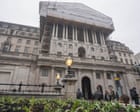
Central Bank's Inflation Management Under Scrutiny
The Bank of England interest rates decision has drawn significant criticism from economic analysts, who argue that recent monetary policy adjustments may ultimately lead to prolonged periods of elevated borrowing costs. The National Institute of Economic and Social Research (Niesr), a prominent independent research organization, has raised serious concerns about the effectiveness of the central bank's current approach to combating persistent price pressures across the British economy.
Niesr's Assessment of Recent Rate Decisions
According to the latest analysis from the thinktank, the cautious nature of the Bank of England's recent rate adjustment represents a missed opportunity to address inflationary pressures more decisively. The organization contends that this restrained approach to monetary tightening could force policymakers into a position where sustained higher borrowing costs become necessary for an extended timeframe. This scenario would represent a significant shift from the low-rate environment that characterized the previous decade.
Long-Term Inflation Projections and Economic Implications
Niesr's research suggests that under current policy trajectory, inflation may remain stubbornly above the Bank of England's official 2% target well into the 2030s. This projection carries substantial implications for households and businesses throughout the United Kingdom, as persistent inflation erodes purchasing power and complicates long-term financial planning. The institute's findings underscore a fundamental tension in monetary policy: overly gradual rate increases risk allowing inflation expectations to become entrenched, potentially necessitating more aggressive tightening measures later.
The Challenge of Inflation Persistence
Economic research increasingly points to the dangers of allowing inflation to develop deep roots within an economy's wage-setting mechanisms and pricing behaviors. When price pressures become normalized across sectors, breaking the inflationary cycle requires increasingly forceful policy interventions. The Bank of England interest rates strategy, according to Niesr analysts, may inadvertently be creating conditions where such forceful measures become unavoidable, ultimately proving more disruptive to economic growth than a more front-loaded approach would have been.
Comparative Analysis of Monetary Policy Approaches
Central banks worldwide have grappled with similar dilemmas regarding the appropriate pace of rate increases during inflationary episodes. Some institutions have adopted more aggressive stances, while others, including the Bank of England, have proceeded with measured incrementalism. The theoretical debate centers on whether rapid rate hikes create unnecessary economic disruption or whether gradual increases risk allowing inflation to become entrenched. Niesr's position clearly favors more decisive early action to prevent prolonged elevation of interest rates and their associated economic costs.
Implications for UK Households and Businesses
If Niesr's projections prove accurate, the implications for British households extend far beyond simple arithmetic adjustments to mortgage payments and savings accounts. Sustained inflation above target would mean persistently elevated borrowing costs, reduced purchasing power for wages, and ongoing uncertainty about the future cost of living. For businesses, extended periods of elevated Bank of England interest rates complicate capital investment decisions and may suppress productive expansion during crucial development periods.
The Path Forward for Monetary Policy
The debate surrounding the Bank of England's response to inflation reflects broader questions about central bank credibility and the optimal balance between gradualism and decisiveness. Economic theory suggests that clear communication and prompt action against inflation help anchor expectations, potentially reducing the total amount of rate adjustment ultimately required. Conversely, signals of hesitation may embolden inflation expectations, creating a self-fulfilling prophecy where prices continue rising regardless of technical economic fundamentals.
Moving forward, policymakers face the challenge of recalibrating their approach while maintaining credibility with financial markets and the public. The window for adjusting course without incurring substantial economic costs may be narrowing, lending urgency to the questions raised by Niesr and other economic observers regarding the sufficiency of current Bank of England interest rates policy.