
British Steel Nationalization: Key Reasons Behind Government Takeover
Learn why the UK government nationalized British Steel, its only virgin steel producer. Discover the financial crisis, market pressures, and implications.
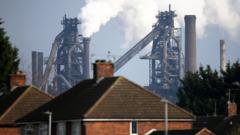
British Steel Enters Public Ownership Following Years of Financial Uncertainty
The United Kingdom's sole remaining facility dedicated to virgin steel production has been placed under government control, concluding an extended period marked by significant financial instability and questions regarding its operational viability. This British Steel nationalization represents a pivotal moment for the nation's manufacturing sector and industrial heritage.
The Context Behind the Acquisition
British Steel has faced considerable challenges that ultimately prompted intervention from Westminster. The company's operational difficulties stemmed from multiple interconnected factors that threatened its long-term sustainability. Market volatility, rising energy costs, and intense global competition created an increasingly precarious situation for the steelmaker.
Financial Pressures and Debt Accumulation
The organization struggled with mounting liabilities that made conventional business operations progressively unsustainable. These financial burdens accumulated over several years as the steelmaker attempted to maintain competitiveness within an increasingly hostile economic environment. Without decisive intervention, experts warned that closure appeared inevitable.
Market Competition and Global Dynamics
Intense rivalry from international steel producers, particularly those from Asia and Eastern Europe, substantially compressed profit margins. The UK steel industry faced disadvantages relating to energy prices, regulatory compliance costs, and supply chain considerations. These structural challenges undermined the company's ability to generate sufficient revenue for reinvestment and debt servicing.
Government Intervention and Strategic Importance
The decision to proceed with a government takeover reflected recognition of British Steel's critical role within national infrastructure and economic resilience. Steel production remains fundamental to numerous sectors, including construction, automotive manufacturing, and defense procurement. Losing domestic virgin steel production capacity would have created significant vulnerabilities.
Employment and Regional Impact
The steelmaker represents a major employer across multiple regions, particularly in northern England. The facility at Scunthorpe and associated operations sustain thousands of direct and indirect jobs. Nationalization offered a pathway to preserve employment and maintain regional economic activity during a transition period.
Strategic Asset Preservation
Control over domestic steel production ensures the nation maintains essential manufacturing capability. This becomes particularly significant given current geopolitical circumstances and supply chain resilience concerns. The government recognized that allowing complete collapse would diminish national industrial autonomy.
The Path Forward and Future Implications
Under public ownership, British Steel operates with a mandate to stabilize operations, maintain workforce capacity, and explore pathways toward financial sustainability. The British Steel nationalization does not represent a permanent solution but rather a stabilization measure while strategic options are evaluated.
Modernization and Investment Requirements
Long-term viability depends upon substantial capital investment in facilities and technology. The industry faces pressure to transition toward lower-carbon production methods, requiring significant expenditure. Government ownership provides opportunity to undertake infrastructure improvements that private operators might have deferred.
Return to Private Sector Considerations
Authorities have indicated that eventual privatization remains possible once the business achieves stability and demonstrates viable operational performance. However, this requires careful management of production costs, quality assurance, and market positioning.
Broader Implications for British Manufacturing
The nationalization of UK steel industry flagship symbolizes challenges confronting British manufacturing more broadly. Rising operational costs, energy expenses, and global competition pressure numerous traditional industries. This situation illustrates tensions between maintaining domestic production capacity and competing within globalized markets.
Policy Considerations and Support Mechanisms
Government support through ownership allows implementation of policies favoring domestic industry without international trade complications. Energy subsidies, research partnerships, and procurement preferences become feasible under public administration.
Labor Relations and Worker Protection
Public ownership emphasizes workforce protection and employment preservation as legitimate business objectives alongside profitability. This contrasts with shareholder-focused private operation, potentially altering labor negotiations and conditions.
Conclusion
The nationalization of British Steel represents an extraordinary intervention justified by the company's strategic importance and the severity of financial circumstances. While this decision preserves immediate employment and industrial capacity, British Steel nationalization underscores fundamental challenges within traditional heavy industry. Success requires sustained commitment to modernization, investment in sustainable production technologies, and eventual restoration of commercial viability. The outcome will substantially influence perceptions regarding government's appropriate role in managing critical industrial assets.