
Cash Transactions Surge as Russia's Wartime Economy Faces Growing Pressure
Russians increasingly rely on cash transactions amid mobile internet outages and rising tax evasion, straining the nation's wartime economy after years of confl...
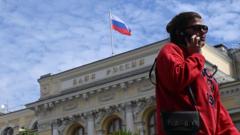
Russia's Shift to Cash Amid Economic Challenges
The wartime economy Russia faces has undergone significant changes as citizens and businesses adapt to increasingly difficult circumstances. More than four years of ongoing conflict with Ukraine has fundamentally altered how transactions occur throughout the country, with cash becoming a preferred method of exchange for many economic actors seeking to avoid scrutiny and regulatory oversight.
This transition toward cash-based transactions represents a notable shift in consumer and commercial behavior. The wartime economy Russia continues to grapple with has prompted both individuals and enterprises to reassess their financial strategies, seeking alternatives to digital payment systems that leave transparent records of monetary flows.
Impact of Mobile Internet Outages
Mobile internet shutdowns have significantly contributed to the acceleration of cash-based commerce throughout the Russian Federation. These disruptions have forced businesses and consumers to rely on traditional payment methods, fundamentally reshaping retail and commercial operations across numerous sectors.
The interruptions to mobile connectivity have created unintended consequences for the broader economic infrastructure. When digital payment systems become unreliable, cash handling becomes not merely convenient but necessary for maintaining business continuity. This dependency has accelerated a trend that was already emerging among segments of the population seeking to minimize their digital footprint in financial transactions.
Tax Evasion and Business Strategy Adjustments
An increasing number of Russian businesses have begun actively seeking methods to circumvent tax obligations, taking advantage of the opacity that cash transactions provide. The wartime economy Russia operates within has created conditions where many enterprises view tax reduction as essential to maintaining profitability amid rising operational costs and economic uncertainty.
This surge in tax avoidance represents a critical challenge for government revenue collection. As more businesses pivot toward informal payment arrangements and cash-only operations, the state loses visibility into economic activity and faces declining tax revenues precisely when funding demands for the ongoing military campaign remain substantial.
Broader Implications for Economic Stability
The combination of mobile internet disruptions and expanding tax evasion threatens the fundamental stability of Russia's economic system. The wartime economy Russia supports requires substantial government financing, yet the shift away from traceable digital transactions undermines fiscal authorities' capacity to collect revenues efficiently.
Government officials have expressed concern about these trends, recognizing that a predominantly cash-based economy presents significant challenges for macroeconomic management. When a substantial portion of transactions occur outside formal banking channels, inflation measurements become less reliable, monetary policy becomes more difficult to implement effectively, and economic forecasting becomes increasingly speculative.
Consumer Behavior and Public Confidence
Russian consumers have demonstrated remarkable adaptability in response to these disruptions. Many individuals have responded to mobile internet outages by maintaining larger cash reserves, reducing their reliance on digital banking services and payment applications for everyday transactions.
This behavioral shift reflects both practical necessity and underlying concerns about financial stability. The wartime economy Russia confronts has generated uncertainty regarding the security of digital assets and the reliability of financial institutions, prompting cautious consumers to favor tangible currency over electronic balances.
Long-term Consequences
The acceleration toward cash-based transactions carries substantial implications for Russia's economic future beyond the immediate wartime period. Banking sector digitalization efforts face headwinds, financial data collection becomes more fragmented, and the informal economy expands relative to the regulated sector.
These developments suggest that even after military hostilities conclude, the structural changes to Russia's payment systems may persist. The wartime economy Russia has created through these adaptive responses may establish patterns of behavior and business practices that outlast the current conflict, fundamentally altering the relationship between citizens, businesses, and formal financial institutions for years to come.