
Catastrophic Landfill Collapse in Guinea Claims 30 Lives
A devastating waste site collapse in Guinea's capital has claimed 30 lives, burying homes. The disaster raises urgent concerns about waste management infrastruc...
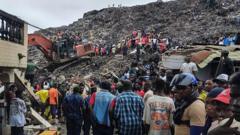
Tragic Landfill Collapse Claims Three Dozen Lives
A catastrophic landfill collapse in Guinea has resulted in the deaths of at least 30 people, marking one of the nation's deadliest environmental disasters in recent history. According to official government statements, a massive accumulation of refuse at a primary waste disposal site in the nation's capital suddenly gave way, causing debris to cascade across neighboring residential areas and engulfing numerous family homes beneath tons of garbage and rubble.
Initial Reports and Immediate Impact
The incident unfolded at one of the region's largest refuse repositories, where waste management operations have faced ongoing challenges related to infrastructure maintenance and capacity constraints. Authorities confirmed that the catastrophic waste site failure occurred without warning, leaving residents in adjacent communities with minimal time to evacuate. The sheer volume of accumulated debris overwhelmed surrounding neighborhoods, transforming the disaster zone into a rescue operation of unprecedented proportions.
Government Response and Investigation
Officials from Guinea's capital administration have acknowledged the severity of the landfill collapse, deploying emergency response teams to the disaster area immediately following the incident. The government has pledged full cooperation with rescue and recovery efforts while initiating preliminary investigations into the structural failures that precipitated the catastrophic event. Preliminary assessments suggest that inadequate compaction procedures, insufficient monitoring systems, and overloading conditions at the waste facility contributed significantly to the sudden structural failure.
Infrastructure and Waste Management Challenges
The tragic landfill collapse has illuminated systemic deficiencies within Guinea's waste management infrastructure. Many developing nations face similar challenges regarding proper landfill engineering, maintenance protocols, and environmental oversight. The disaster at this major refuse site demonstrates the critical importance of establishing robust safety standards, regular inspections, and adequate funding for waste disposal facilities that serve densely populated areas.
Community Impact and Displacement
Beyond the devastating loss of life, the garbage mound collapse has displaced numerous families whose homes were destroyed or rendered uninhabitable. Survivors face immediate needs for emergency shelter, medical treatment, and psychological support. The disaster has prompted humanitarian organizations and international agencies to mobilize resources for affected communities, providing temporary relief and long-term reconstruction assistance.
Looking Forward: Prevention and Reform
The Guinea landfill disaster serves as a sobering reminder of the hazards associated with inadequate waste management systems. Experts emphasize that preventing similar catastrophes requires comprehensive investment in modern landfill engineering, professional staff training, environmental monitoring equipment, and strict adherence to international waste disposal standards. The incident is expected to catalyze regulatory reforms and infrastructure improvements throughout the region's waste management sector.