
China Condemns Fresh US Sanctions Against Iran Trade Partners
China criticizes new US sanctions on Iran and trading allies. Tensions rise as Washington threatens to isolate nations continuing Tehran oil commerce.
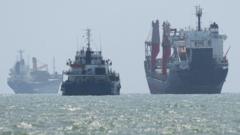
China's Strong Response to New US Sanctions Against Iran
Beijing has issued a forceful condemnation of fresh US sanctions against Iran and nations maintaining commercial ties with the Islamic Republic. The escalation marks another flashpoint in the ongoing geopolitical tensions between Washington and Beijing over Tehran's economic relationships and oil exports.
The latest China US sanctions Iran dispute centers on Washington's threats to isolate any country that continues trading with Tehran. This strategy directly impacts China, which remains one of Iran's largest trading partners and a primary destination for its oil exports. The move underscores the intensifying pressure the United States continues to exert on nations engaged with the Iranian economy.
Washington's Strategy to Isolate Tehran's Trade Networks
The United States has made explicit threats targeting nations that refuse to abandon their commercial relationships with Iran. This approach aims to sever the Islamic Republic's access to global markets and critical revenue sources. Oil represents a crucial component of Iran's economy, and the Trump administration's strategy focuses on severing Tehran's ability to sell its petroleum products internationally.
China's position as a major purchaser of Iranian oil places Beijing squarely in the crosshairs of American sanctions policy. Beijing sources approximately 5-10% of its oil imports from Iran, representing a significant trade relationship that Washington seeks to eliminate. The threatened sanctions could target Chinese entities engaged in this commerce, creating substantial economic consequences for Chinese companies.
Impact on Global Energy Markets and Trade Relations
The expansion of US sanctions regimes creates ripple effects throughout global energy markets and international commerce. Countries that rely on Iranian oil or maintain strategic partnerships with Tehran face difficult choices between maintaining profitable trade relationships and complying with American pressure. This economic coercion strategy places allies and neutral nations in precarious positions.
Beijing has consistently argued that unilateral sanctions violate international law and represent illegal trade practices. China's diplomatic response emphasizes the importance of respecting national sovereignty and conducting international commerce according to established legal frameworks rather than political pressure. The Chinese government views these sanctions as extraterritorial application of American law beyond legitimate scope.
Broader Geopolitical Implications
This confrontation reflects deeper strategic competition between the United States and China in the Middle East. Both nations compete for influence over Iran's economy and strategic position. Beijing's investments in Iranian infrastructure and energy projects represent long-term strategic positioning in the region, which American sanctions threaten to disrupt.
The escalating tensions surrounding Iran policy demonstrate how US pressure tactics extend beyond direct bilateral relationships to encompass broader international trade networks. Washington's willingness to sanction Chinese entities for conducting legal commerce with Iran represents a significant assertion of American economic power.
Chinese Commerce and Energy Security Concerns
For China, maintaining access to diverse energy sources represents a critical national interest. Iran's oil supplies contribute to Beijing's energy security strategy, particularly as Chinese consumption continues rising. Forcing China to abandon Iranian oil markets could necessitate alternative sourcing arrangements at higher costs or from less reliable suppliers.
Chinese companies operating in Iran face unprecedented uncertainty regarding their commercial viability and legal standing under American law. These firms must weigh the profits from continued operations against the risks of US sanctions and financial penalties. The threat creates a chilling effect on legitimate business activity and discourages new investment in Iranian ventures.
International Law and Sanctions Precedent
China's criticism highlights fundamental disagreements over the legitimacy of unilateral sanctions regimes under international law. Beijing argues that only the United Nations Security Council possesses legitimate authority to impose comprehensive sanctions on nations. American actions, therefore, exceed proper legal boundaries and violate established diplomatic norms.
The precedent set by expanding sanctions threatens to normalize economic coercion as a primary tool of statecraft. If allowed unchallenged, this approach could encourage other powers to pursue similarly aggressive unilateral trade restrictions against their adversaries. International stability depends on maintaining predictable, rule-based commercial relationships rather than relying on political pressure and economic punishment.
Looking Forward: Tensions in US-China Relations
The ongoing disputes regarding Iran sanctions exemplify broader deterioration in US-China relations. Disagreements extend across trade policy, technology regulation, and regional influence. These multiple friction points create cumulative pressure on bilateral relations and increase risks of further escalation.
China's vocal opposition to new sanctions indicates Beijing's commitment to maintaining strategic partnerships in the Middle East despite American pressure. Whether China can sustain its Iran trade relationships while navigating US sanctions remains a central question shaping regional geopolitics and international commerce for years ahead.