
Cross-Party MPs Warn Against Using Parliamentary Procedure for Assisted Dying Bill
MPs from both sides warn Commons against forcing assisted dying bill through Parliament using obscure procedures, urging respect for Lords scrutiny on this crit...
Cross-Party Warning on Assisted Dying Bill
In a significant moment for the assisted dying bill parliament debate, Members of Parliament from opposing sides have jointly cautioned their colleagues against utilizing an extraordinary parliamentary maneuver to bypass continued resistance from the House of Lords. The unprecedented joint statement highlights growing concerns about the constitutional implications of forcing through such contentious legislation without proper scrutiny on this profoundly important matter affecting the nation.
Labour MPs Break Ranks to Sound Alarm
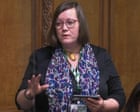
Labour Member Gareth Snell, who cast his vote supporting the assisted dying bill parliament proposal, and his colleague Meg Hillier, who opposed the measure, have coordinated efforts to alert fellow Members to the risks inherent in circumventing traditional parliamentary procedures. This collaborative warning between opposing voices underscores the gravity with which both camps view potential constitutional overreach.
The correspondence from both MPs arrived at a critical juncture, mere hours before the scheduled Friday parliamentary session that will determine the bill's trajectory. Their intervention represents an unusual alliance formed around principle rather than partisan agreement, demonstrating that concerns about parliamentary procedure transcend party loyalty on this specific issue.
The Constitutional Risk at Stake
Parliamentary procedure debate has intensified as questions arise about invoking uncommon legislative mechanisms to overcome Lords obstruction. The procedure in question, though technically available to the Commons, represents an extraordinary measure that critics argue would undermine the bicameral system of parliamentary scrutiny established over centuries. The House of Lords, traditionally serving as a chamber of review and deliberation, would effectively be sidelined in the legislative process.
Meg Hillier's involvement is particularly noteworthy given her opposition to the bill's substance. Her decision to warn against procedural shortcuts suggests that constitutional concerns have superseded disagreement with the legislation itself. Similarly, Gareth Snell's position demonstrates that supporters of the bill recognize the dangerous precedent such actions could establish for future parliamentary business.
Lords' Role in Scrutinizing Public Policy
The written communication emphasizes the constitutional duty of the House of Lords to thoroughly examine significant public policy matters. Assisted dying represents a deeply sensitive area touching on medical ethics, human rights, religious perspectives, and end-of-life care standards. The MPs argue that rushing this legislation through without permitting the Upper House to fulfill its scrutiny function would represent a departure from established parliamentary practice.
The House of Lords, comprising experienced legislators, legal experts, medical professionals, and specialists in bioethics, brings distinctive expertise to complex matters. Preventing their thorough review would eliminate valuable perspectives from a chamber specifically designed to provide detailed examination of government bills, particularly those addressing moral and ethical dimensions.
Implications for Future Parliamentary Governance
Both MPs recognize that accepting the "extraordinary risk" of forced passage would establish a concerning precedent for subsequent governments and parliamentary majorities. Once normalized, such procedures could become routine tools for advancing controversial legislation without adequate debate and scrutiny. This concern extends beyond the immediate assisted dying bill parliament discussion to the broader functioning of democratic institutions.
The Friday vote represents a watershed moment for how Parliament conducts its business. Accepting an obscure procedural path would signal that when determined majorities face resistance, they need not engage in extended deliberation or compromise. The implications for accountability and legislative quality could prove substantial and long-lasting.
Urgent Call for Responsible Governance
The joint statement from Snell and Hillier constitutes an urgent plea for their respective parliamentary communities to recognize the distinction between winning legislative battles and maintaining institutional integrity. Political victory achieved through constitutional shortcuts, they suggest, represents a pyrrhic outcome that damages the legislative process itself.
As the parliamentary vote approaches, the spotlight falls on whether Commons Members will heed this cross-party warning. The decision to proceed normally through Lords scrutiny or invoke emergency procedures will reveal much about current parliamentary attitudes toward constitutional convention and democratic process. The assisted dying bill parliament saga continues to provoke not merely substantive debate about end-of-life options, but fundamental questions about how Britain's democracy should function.