
Does Food Purchase Tracking Really Improve Your Health?
Discover whether tracking your food purchases actually leads to healthier eating habits. Expert insights on benefits and drawbacks of food monitoring.
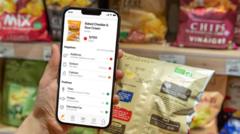
Understanding Food Purchase Tracking and Its Impact on Health
The practice of monitoring food purchase tracking has become increasingly prevalent in modern dietary management. Whether through digital applications, spreadsheets, or traditional methods, countless individuals now maintain detailed records of their grocery purchases and eating patterns. But the fundamental question remains: does food purchase tracking genuinely contribute to better health outcomes, or is it simply a trendy wellness practice with limited scientific backing?
Food purchase tracking represents a systematic approach to understanding consumption patterns. By documenting what we buy and consume, we gain visibility into our dietary choices. Many health professionals argue that this awareness alone can catalyze positive behavioral changes, while others suggest that the relationship between tracking and actual health improvement is more nuanced than typically portrayed.
The Growing Popularity of Food Monitoring Applications
Over the past decade, food tracking apps have experienced explosive growth in the consumer wellness market. These digital tools offer convenience and sophisticated features such as nutritional analysis, calorie counting, macronutrient breakdowns, and personalized recommendations. Users appreciate the accessibility of these platforms, which allow them to log purchases and meals from their smartphones at any time.
The appeal of food tracking apps lies partly in their gamification elements and community features. Many platforms provide progress charts, achievement badges, and social sharing capabilities that encourage continued engagement. These psychological mechanisms can maintain user motivation, at least in the short term. However, the sustainability of such practices remains a subject of ongoing research and professional debate.
Scientific Evidence on Tracking Benefits
Research examining the effectiveness of food purchase tracking reveals mixed but generally positive results. Several peer-reviewed studies indicate that individuals who actively monitor their dietary intake demonstrate greater awareness of their eating patterns and make more conscious food choices. This heightened consciousness can contribute to reduced consumption of ultra-processed foods and increased intake of nutrient-dense options.
A significant finding in nutritional science is that the act of tracking itself, independent of specific dietary interventions, often produces measurable improvements in diet quality. This phenomenon, sometimes called the observer effect, suggests that attention to food purchase tracking behaviors can trigger positive changes simply through increased awareness and accountability.
Potential Drawbacks and Limitations
Despite apparent benefits, food purchase tracking and related apps present certain challenges. Mental health professionals have raised concerns about potential negative consequences, particularly regarding the development of obsessive eating behaviors or orthorexia—an unhealthy obsession with healthy eating. For individuals with histories of eating disorders, food tracking apps might prove counterproductive or even harmful.
Additionally, the accuracy of food purchase tracking depends heavily on user compliance and knowledge. Many individuals struggle to maintain consistent logging habits, while others may inaccurately estimate portion sizes or fail to account for hidden ingredients and nutritional content. These inconsistencies can undermine the intended benefits of the tracking practice.
Who Benefits Most from Food Tracking?
Evidence suggests that food purchase tracking proves most beneficial for specific populations. Individuals seeking to manage weight, control blood sugar levels, or address specific nutritional deficiencies often experience positive results through diligent tracking. Athletes and fitness enthusiasts frequently employ food tracking apps to optimize their performance nutrition.
Conversely, individuals who struggle with body image issues or have predispositions toward disordered eating may find food purchase tracking counterproductive. Mental health considerations should always precede the adoption of any intensive self-monitoring dietary practice.
Expert Recommendations and Best Practices
Nutrition professionals increasingly recommend a balanced approach to food purchase tracking. Rather than promoting obsessive daily logging, many experts suggest periodic tracking sessions—perhaps weekly or monthly—to maintain awareness without developing unhealthy psychological patterns. This moderate approach preserves the awareness benefits of food tracking while minimizing potential risks.
Quality matters as much as quantity in food purchase tracking efforts. Understanding nutritional labels, recognizing whole foods versus processed alternatives, and learning about balanced macronutrient ratios provides more value than simply logging calorie counts. Educational components should accompany any food tracking initiative.
Conclusion: A Nuanced Perspective on Food Tracking
Food purchase tracking demonstrates genuine potential for promoting healthier dietary choices through increased awareness and accountability. The scientific evidence generally supports the use of food tracking apps and manual tracking methods as supplementary tools in comprehensive health management strategies. However, they are neither magic solutions nor universally appropriate interventions.
The effectiveness of food purchase tracking ultimately depends on individual circumstances, personality factors, and overall health goals. For many people, implementing moderate, balanced tracking practices alongside professional guidance can support meaningful dietary improvements. However, professional consultation remains advisable before adopting intensive food monitoring practices, particularly for individuals with specific health concerns or psychological considerations.