
Doku Faces Backlash Over Maternity Leave Request During World Cup
Jeremy Doku criticized for wanting to leave Belgium's World Cup camp to attend his wife's childbirth. Controversy surrounds the winger's family priority decisio...
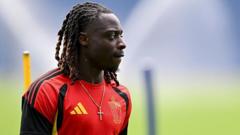
Doku Criticised Over World Cup Exit Request
Manchester City winger Jeremy Doku has become the center of significant controversy after expressing his intention to leave Belgium's World Cup camp to be present for the birth of his first child with his wife. The Belgian footballer's maternity leave request has drawn considerable scrutiny from football analysts, media commentators, and supporters who question the appropriateness of such a decision during an international tournament of such magnitude.
The Context Behind Doku's Paternity Request
Doku's situation highlights the ongoing tension between professional football obligations and personal family responsibilities. The winger, who has established himself as a crucial player for the Belgian national team, informed his coaching staff about his expectation that his wife would give birth during Belgium's World Cup campaign participation. This timing creates a difficult situation where the footballer must choose between supporting his family during a pivotal moment and maintaining his availability to his national team throughout the tournament.
Family First Philosophy
The player's desire to be present for his wife's delivery stems from a commitment to family values that many modern athletes increasingly prioritize. Doku's intention reflects broader societal shifts where fathers seek active participation in childbirth experiences and early parenting moments. However, this personal priority directly conflicts with the demands and expectations of international football competition at the highest level.
Public Reaction and Media Response
Belgium's football community and international media have responded with mixed reactions to Doku's maternity leave announcement. Several commentators have criticized the winger for putting personal matters ahead of national team commitments during such a crucial sporting event. Critics argue that competing at the World Cup represents an extraordinary opportunity that requires absolute dedication and commitment from all squad members.
Arguments Against the Decision
Opponents of Doku's request emphasize that World Cup participation occurs only once every four years, making it an exceptionally rare opportunity for national teams and their players. They contend that professional footballers implicitly accept the demands of international tournaments when they represent their countries. Additionally, critics suggest that other players have managed similar family situations without requesting absence from squad duties.
Supportive Perspectives
Conversely, supporters of Doku's position argue that welcoming a newborn represents a once-in-a-lifetime family event that deserves recognition and attendance. Advocates maintain that football, while important, should not entirely override fundamental human experiences and family obligations. This viewpoint reflects evolving attitudes about work-life balance in professional sports and the importance of mental health and personal wellbeing.
Impact on Belgian National Team Strategy
The potential absence of Jeremy Doku from Belgium's World Cup campaign creates significant challenges for the national team's tactical planning and squad depth. Doku's attacking prowess and pace provide distinct advantages in Belgium's formation, and his unavailability would necessitate adjustments to both lineup composition and strategic approach. The coaching staff must determine whether they can adequately compensate for his absence should he decide to prioritize the birth of his first child.
Broader Implications for Professional Football
Doku's situation raises important questions about player welfare, personal autonomy, and the balance between professional obligations and family needs in contemporary professional football. International sports organizations and national football federations increasingly face similar dilemmas as players assert their rights to maintain personal lives alongside demanding athletic careers. The decision regarding whether to permit or deny such requests could establish precedents affecting future cases within football and other professional sports.
Conclusion
Jeremy Doku's maternity leave request represents more than a simple scheduling conflict; it embodies fundamental tensions within modern professional athletics regarding personal values, family obligations, and sporting commitments. The controversy surrounding his desire to leave Belgium's World Cup camp for his wife's childbirth demonstrates evolving perspectives on how professional athletes should navigate competing life priorities. Whatever resolution emerges from this situation will likely influence discussions about paternity leave, family support, and player welfare throughout professional football for years to come.