
Ebola Outbreak Spreads Rapidly: Conflict and Misinformation Worsen Crisis
The Ebola outbreak in the DRC has become the fastest-growing ever, with 1,759 cases reported. Conflict, aid cuts, and misinformation are fueling the deadly thre...
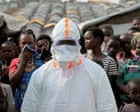
Record-Breaking Ebola Outbreak Accelerates Across Central Africa
The Ebola outbreak DRC is experiencing unprecedented growth, transforming into the fastest-growing epidemic of its kind in recorded history. Nearly two months following the initial confirmation of cases in the Democratic Republic of the Congo, the virus continues its relentless progression, affecting new regions and claiming increasing numbers of lives. This surge represents a critical public health emergency that extends beyond national borders, demonstrating the interconnected vulnerability of regional health systems.
As of 8 July, official government statistics reveal 1,759 confirmed cases with 600 reported deaths throughout the Democratic Republic of the Congo. The mortality toll underscores the severity of the situation and the challenges facing healthcare workers attempting to contain transmission. Beyond the DRC's borders, Uganda has documented 20 confirmed cases, including two deaths, signaling the virus's capacity to cross international boundaries despite containment efforts.
Misinformation and Violence Accelerate Transmission
The rapid dissemination of the Ebola outbreak DRC has been significantly amplified by widespread misinformation circulating throughout affected communities. False narratives regarding the virus's origins, transmission methods, and treatment efficacy have eroded public trust in medical interventions and health authorities. This information vacuum has been filled with dangerous myths that discourage individuals from seeking proper medical care, instead driving vulnerable populations toward unproven remedies and traditional practices that may facilitate further spread.
Concurrent with misinformation campaigns, violent attacks targeting healthcare workers and treatment facilities have created an environment of fear and instability. Volunteers and medical professionals face direct threats from community members skeptical of official health responses. These attacks have resulted in casualties among the very personnel essential for combating the epidemic, creating severe staffing shortages at critical treatment centers.
Conflict and Structural Barriers Complicate Response Efforts
The Democratic Republic of the Congo's ongoing internal conflicts have fundamentally undermined the coordinated public health response necessary to contain the Ebola outbreak. Ongoing violence displaces populations, disrupts supply chains for medical equipment, and restricts the mobility of humanitarian organizations attempting to deliver vaccines and treatment supplies to affected regions. Armed groups operating in outbreak zones create additional barriers to epidemiological investigations and contact tracing operations.
Simultaneous funding reductions in healthcare infrastructure have weakened the DRC's capacity to respond effectively to this crisis. With diminished budgetary allocations, treatment facilities operate with insufficient supplies, inadequate staffing ratios, and limited technological resources for diagnostic testing. These structural deficiencies translate directly into higher mortality rates and reduced capacity for isolation and treatment of confirmed cases.
Treatment Centers Under Strain and Under Attack
Designated Ebola treatment centers have become focal points for both medical intervention and community resistance. These facilities, essential for isolating infected individuals and preventing household transmission, face simultaneous challenges from supply shortages and organized opposition. When families witness delayed treatment access or inadequate care due to resource constraints, confidence in the healthcare system deteriorates further, encouraging individuals to conceal symptoms or avoid testing entirely.
The targeting of treatment facilities by hostile actors has destroyed critical infrastructure and forced temporary closures. When centers cannot maintain continuous operations, the entire containment strategy falters, allowing the Ebola outbreak to progress unchecked through unmonitored populations.
Regional Health Systems at Breaking Point
Beyond immediate mortality statistics, the Ebola outbreak DRC has exposed vulnerabilities in regional health systems throughout Central Africa. Uganda's documented cases demonstrate that neighboring countries remain vulnerable regardless of their individual preparedness levels. Cross-border transmission pathways remain difficult to monitor given porous borders and significant population movement driven by conflict and economic desperation.
International coordination mechanisms, while operational, face limitations in their capacity to mobilize resources and personnel quickly enough to match the epidemic's expansion rate. The fastest-growing nature of this outbreak has outpaced typical response timelines, creating cascading effects across the region's healthcare infrastructure.
Path Forward Amid Escalating Crisis
Addressing this Ebola outbreak requires simultaneous interventions addressing not only the biological transmission of the virus but also the social, political, and economic factors enabling its spread. Enhanced community engagement efforts must counteract misinformation through localized communication strategies and trusted community leaders. Security measures protecting healthcare workers and facilities must be strengthened while addressing legitimate community concerns regarding treatment protocols and outcomes. Sustainable funding commitments from international donors will prove essential for maintaining operational treatment capacity and supporting epidemiological investigations that identify transmission chains and predict outbreak trajectories.