
England Faces Widespread Drought Crisis Affecting Over Two-Thirds
England drought conditions now impact more than two-thirds of the nation. East Midlands, Kent, and other regions officially enter drought status. Latest water c...
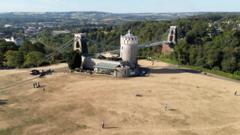
England Drought Reaches Critical Threshold
More than two-thirds of England now face severe drought conditions as multiple regions transition into official drought status. The England drought situation represents a significant environmental challenge, with authorities implementing emergency measures across the country to manage water resources and prevent further deterioration.
The declaration of England drought status in key agricultural and residential areas signals growing concerns about water availability for both domestic consumption and irrigation purposes. Meteorological experts and water management officials have intensified monitoring efforts as the crisis unfolds across the nation's most populous regions.
Affected Regions Enter Drought Declaration
Several critical areas have officially moved into drought status, marking a substantial shift in the national water crisis. The East Midlands region, encompassing parts of Leicestershire, Nottinghamshire, and Derbyshire, has crossed the threshold into formal drought conditions. This development affects millions of residents and countless agricultural operations dependent on consistent water supply.
Lincolnshire and Northamptonshire, two predominantly rural counties in the East Midlands region, now face restrictions on water usage. These agricultural heartlands typically rely on adequate precipitation and groundwater reserves to sustain farming operations, livestock management, and rural communities.
Southeast England Drought Status
The Southeast has experienced particularly acute drought conditions. Kent and East Sussex, located in the southeast corner of England, have entered official drought status due to prolonged dry periods and depleted water reserves. These densely populated counties supply water to millions of residents and numerous commercial enterprises.
The Solent and South Downs region, encompassing parts of Hampshire and Sussex, has similarly transitioned into drought conditions. This designation reflects the severity of water deficits across southern England and indicates that voluntary water conservation measures have proven insufficient to address the crisis.
Broader Impact on England Drought Crisis
The widespread nature of the England drought affecting more than two-thirds of the country demonstrates the scale of the environmental challenge. Water companies have implemented tiered response protocols, beginning with public awareness campaigns and progressing toward potential restrictions on non-essential water usage.
Farmers and agricultural producers face particular hardship as irrigation restrictions threaten crop yields and livestock management. Horticulture operations, garden centers, and landscaping businesses must adjust operational practices to comply with water conservation mandates.
Regional Water Authority Response
Water authorities across affected regions have activated emergency response protocols. These measures include enhanced monitoring of groundwater levels, reservoir capacity assessments, and preparation of contingency plans for potential supply interruptions.
Public communication efforts emphasize the importance of voluntary water conservation. Residents are encouraged to reduce household consumption through shorter showers, efficient appliance usage, and elimination of non-essential outdoor water applications such as garden watering and pressure cleaning.
Looking Ahead: England Drought Management
Meteorological forecasts will play a crucial role in determining the trajectory of the England drought crisis. Sustained rainfall would provide relief to affected regions and potentially reduce drought status designations. However, without significant precipitation, water deficits may persist for extended periods.
Environmental officials continue monitoring conditions across England to assess whether additional regions will move into drought status. The situation remains fluid, with potential for either improvement or deterioration depending on weather patterns and water consumption trends.