
EU Criticized for Taliban Meeting Plans in Brussels
Rights groups and MEPs condemn EU's proposed Taliban meeting in Brussels, citing concerns about normalizing a regime that restricts women's rights and education...
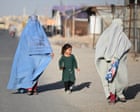
EU Faces Backlash Over Proposed Taliban Engagement in Brussels
European Union officials are encountering intense opposition regarding their plans to host a Taliban meeting in Brussels, with numerous human rights organizations and Members of the European Parliament raising serious concerns about the diplomatic initiative. The Taliban meeting in Brussels represents a contentious decision that has sparked widespread debate about the bloc's foreign policy approach toward the Afghan regime.
Rights Groups Express Grave Concerns
Civil rights campaigners and MEPs have issued strong warnings that engaging directly with Taliban representatives could inadvertently legitimize a government accused of systematic human rights violations. The primary concern centers on the regime's documented policies targeting women and girls, including the enforcement of restrictions on female education that prohibit girls from attending school beyond the sixth grade.
Multiple advocacy organizations emphasize that such diplomatic meetings risk normalizing governance practices that effectively erase women from public participation. The Taliban's educational policies have been particularly controversial, as they represent a dramatic reversal of progress made in Afghanistan over the past two decades regarding girls' access to schooling and higher education.
Leadership Accountability Questions
Additional complications arise from the composition of the Taliban delegation itself. Human rights experts have identified that the Taliban delegation includes two leaders who face serious allegations of crimes against humanity. This aspect of the engagement has amplified concerns among EU officials and international observers about the appropriateness of hosting such talks in Brussels.
The presence of individuals with documented allegations of serious international crimes raises fundamental questions about the EU's commitment to accountability mechanisms and international humanitarian law. Legal experts argue that facilitating meetings with individuals under such suspicion could undermine the credibility of the European Union's stated human rights priorities.
Diplomatic Authorization and Logistics
Documentation of the Taliban meeting in Brussels confirms that the initiative proceeded with official support from EU member states. The Belgian foreign ministry issued five single-day visas specifically for members of the Taliban delegation, enabling their travel to the capital city. A spokesperson representing the Afghan foreign ministry provided confirmation that the Taliban delegation had successfully completed travel arrangements and arrived in Brussels following the visa authorization.
This official sanction by Belgium, an EU member state, indicates that the Brussels engagement received institutional backing at the national level, though the decision appears to contradict broader EU positions on human rights advocacy and women's protection.
Implications for EU Foreign Policy
The controversy surrounding this Taliban meeting reflects broader tensions within European foreign policy regarding engagement with non-democratic governments. Some EU officials argue that maintaining diplomatic channels with the Taliban regime may be necessary for addressing regional stability and counterterrorism concerns.
Conversely, human rights advocates contend that such engagement without preconditions regarding governance standards effectively abandons Afghan women and girls to continued oppression. The debate highlights the complexity of balancing diplomatic pragmatism with principled stands on fundamental human rights.
Women's Rights at the Center of Debate
The systematic exclusion of women from education and public life under Taliban rule forms the cornerstone of criticism against the Brussels meeting. Recent policies implemented by the regime have progressively limited women's participation in employment, education, and governance structures.
MEPs have emphasized that approving the Taliban meeting sends a troubling message to women's rights advocates globally and potentially undermines the EU's credibility as a defender of gender equality. The educational restrictions particularly affect millions of Afghan girls whose futures remain severely constrained by regime policies.
Broader International Response
The EU's proposed engagement with the Taliban has attracted attention from international human rights organizations beyond Europe's borders. Global advocacy networks have joined MEPs and European civil society in questioning the wisdom and ethical implications of hosting such diplomatic discussions.
International observers note that this engagement occurs within a broader context of Taliban consolidation of power in Afghanistan and increasing human rights deterioration since the regime's 2021 assumption of control. The timing of the Brussels meeting therefore raises additional concerns about whether the EU is effectively rewarding a government that has intensified restrictions on fundamental freedoms.
The Taliban meeting in Brussels represents a significant test case for how the European Union balances competing priorities between diplomatic engagement and human rights protection in its foreign policy framework.