
Farage's WHO Campaign Expands to US with New Board Members
Nigel Farage's Action on World Health campaign relocates to Delaware as a charitable foundation, expanding its anti-WHO influence in the United States.
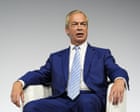
Farage's WHO Campaign Expands Across the Atlantic
Nigel Farage's anti-WHO campaign is gaining momentum in the United States, with the Action on World Health initiative establishing itself as a powerful advocacy organization on American soil. The expansion of this international pressure group raises significant questions about the political involvement of the Reform UK leader in US-based organizations and his broader influence on global health policy debates.
The relocation marks a strategic shift in how Farage's coalition operates, moving beyond traditional European activism into the American political landscape where skepticism toward international health institutions has become increasingly prominent.
Strategic Relocation to Delaware
The Action on World Health campaign, which Farage co-founded, has officially relocated to Delaware, establishing itself as both a charitable foundation and grassroots non-profit organization. This administrative move provides legal status and operational infrastructure necessary to conduct large-scale advocacy efforts throughout the United States.
Delaware's corporate-friendly regulatory environment has made it a popular choice for organizations seeking flexibility in their governance structures. By choosing this jurisdiction, the Action on World Health campaign gains advantages in fund management, donor privacy, and organizational flexibility that may not have been available in other states.
New Board Appointments and Leadership Structure
The campaign has announced the addition of several lobbyists and political operatives to its board of directors, significantly expanding its institutional capacity. These board members bring extensive experience in American political advocacy, grassroots mobilization, and stakeholder engagement across multiple sectors.
The composition of this new board reflects a deliberate strategy to embed the campaign within established American advocacy networks. By recruiting experienced lobbyists, the organization positions itself to influence policy discussions at federal and state levels, ensuring that skepticism toward WHO initiatives reaches decision-makers in Congress, federal agencies, and state governments.
Questions About Political Involvement
The involvement of Farage, who leads Reform UK, in an American pressure group presents complex questions about international political coordination and cross-border advocacy networks. Critics have raised concerns about why a sitting British political leader would dedicate significant resources to influencing American health policy.
This development suggests a broader pattern of coordinated anti-WHO activism operating across multiple national contexts. The expansion into the United States indicates that the Action on World Health campaign views American political institutions as crucial battlegrounds for advancing its opposition to WHO authority and international health governance frameworks.
Implications for Global Health Policy
The growth of organized opposition to the WHO within the United States carries significant implications for the organization's authority and effectiveness. American political support remains essential for WHO operations and international health initiatives, making US-based advocacy groups particularly influential in shaping policy outcomes.
Farage's campaign joins a broader landscape of American organizations expressing skepticism toward international health institutions. This convergence of political movements suggests that resistance to multilateral health governance may become an increasingly significant feature of American domestic politics.
International Advocacy Networks
The Action on World Health campaign represents a new model of transnational advocacy, where leaders from one country coordinate with activists and organizations in others to challenge international institutions. This approach reflects broader patterns in contemporary politics where national political figures leverage international networks to amplify their influence beyond their home countries.
The establishment of formal structures in multiple countries indicates that this is not a temporary political gesture but rather a sustained commitment to building institutional capacity for long-term advocacy. The investment in hiring experienced lobbyists and establishing legal entities suggests significant financial resources backing the campaign.
What's Next for the Movement
With its expansion into the United States complete, the Action on World Health campaign appears positioned to become a major player in American debates about international health institutions. The new board members will likely focus on building coalitions with existing American skeptics of global health governance and generating media attention for their positions.
The campaign's next phase may involve coordinating strategies across borders, sharing advocacy techniques, and building a unified international opposition movement to WHO initiatives and policies. This coordinated approach could significantly impact discussions about pandemic preparedness, disease surveillance, and international health emergency response mechanisms during the coming years.