
Ford Brings Back Human Engineers After AI Quality System Falls Short
Ford reinstates human engineers following AI quality control failures. The automaker recognizes veteran technicians' superior inspection capabilities in manufac...
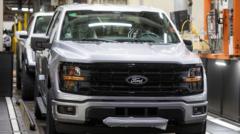
Ford Returns to Human Expertise After AI Quality Control Setback
Ford Motor Company has made a significant strategic decision regarding its quality control operations, bringing back human engineers to perform critical inspection tasks after discovering that AI quality control failures could not adequately replicate the precision and expertise of experienced technicians. This shift represents an important acknowledgment of the limitations of automated systems in complex manufacturing environments where accuracy directly impacts vehicle safety and customer satisfaction.
The automotive industry has increasingly invested in artificial intelligence and automation technologies to streamline production processes and reduce operational costs. However, Ford's recent experience demonstrates that certain aspects of vehicle manufacturing still require the irreplaceable human touch, particularly when it comes to comprehensive quality assurance protocols.
The Limitations of Automated Inspection Systems
While AI quality control systems promised enhanced efficiency and consistency, Ford's quality assessment revealed substantial gaps in performance compared to human inspection methods. The automated systems frequently failed to detect defects and irregularities that veteran technicians identified with ease, raising concerns about potential safety implications and long-term warranty costs.
Veteran engineers possess decades of accumulated knowledge and pattern recognition abilities developed through hands-on experience. These professionals can intuitively identify subtle anomalies in manufacturing quality that algorithmic systems might overlook. Their ability to adapt to variations and apply contextual judgment proved invaluable in maintaining Ford's quality standards.
Ford's Strategic Reversal in Manufacturing Quality
The decision to reinstate human engineers reflects Ford's commitment to prioritizing vehicle quality over cost reduction through full automation. This move signals that the company recognizes the critical importance of maintaining rigorous quality control protocols, even when it requires greater labor investment.
The company's management acknowledged that while AI technologies offer valuable support in routine monitoring and data collection, they cannot completely replace the analytical capabilities and intuitive judgment of experienced manufacturing professionals. This recognition aligns with broader industry trends showing that hybrid approaches—combining human expertise with technological support—deliver superior results.
Implications for the Automotive Industry
Ford's experience provides important lessons for other manufacturers considering comprehensive automation of quality control functions. The automotive sector faces immense pressure to maintain safety standards while managing production costs, but this situation illustrates that premature elimination of human oversight can create greater risks than the savings justify.
Industry analysts suggest that the most effective quality assurance strategies involve human engineers working alongside AI systems. This collaborative approach allows technology to handle routine monitoring and data analysis while experienced technicians focus on complex problem-solving and final verification processes.
The Value of Veteran Technicians
Veteran automotive engineers bring more than technical knowledge to quality control operations. They understand manufacturing processes at a depth that takes years to develop, recognize emerging patterns in defects, and can recommend process improvements based on their extensive operational experience. These contributions extend far beyond simple pass-fail decisions on quality metrics.
The reinstatement of these professionals strengthens Ford's manufacturing infrastructure and demonstrates confidence in human expertise. Companies increasingly recognize that investing in experienced talent provides competitive advantages that purely automated systems cannot match.
Moving Forward: A Balanced Approach
Ford's strategy moving forward will likely emphasize integration of human oversight with technological tools rather than replacement of one with the other. This balanced approach acknowledges both the efficiency gains possible through automation and the irreplaceable value of experienced quality control professionals in maintaining vehicle safety and customer satisfaction standards.