
France Faces Drowning Crisis as Extreme Heat Grips Europe
Drowning deaths in France spike dramatically during intense heatwave. Prime Minister reports surge in water-related fatalities as extreme heat sweeps across Eur...
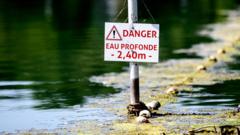
Drowning Crisis Intensifies Across France During Record Heatwave
Drowning deaths in France have reached alarming levels as an intense heatwave continues to grip the nation and surrounding European regions. According to Prime Minister Sébastien Lecornu, approximately forty individuals have lost their lives through drowning-related incidents since last Thursday, highlighting the severe dangers posed by extreme weather conditions and the increased demand for aquatic recreation during peak heat periods.
The surge in drowning deaths in France represents a critical public health concern that extends beyond typical seasonal variations. Meteorologists and health officials attribute the spike to the combination of scorching temperatures and increased water activity, as citizens seek relief from oppressive heat conditions. The Prime Minister's acknowledgment of these fatalities underscores the gravity of the situation and the immediate need for enhanced safety measures across popular swimming areas.
Understanding the Heatwave's Impact on Water Safety
The current heatwave affecting Europe has created perfect conditions for tragedy at beaches, lakes, and rivers throughout France. When temperatures soar, individuals of all age groups are drawn to water bodies seeking relief, often without adequate safety precautions or understanding of hazardous conditions. The combination of sudden temperature changes in water, fatigue from extreme heat exposure, and overcrowded recreational areas increases vulnerability to drowning incidents exponentially.
Rescue teams and lifeguards have reported being overwhelmed by the volume of swimmers during peak hours, making it increasingly difficult to monitor all individuals in their care. Many drowning deaths involve strong currents, unexpected underwater obstacles, or swimmers who underestimate their physical capacity when exhausted by heat exposure. The heatwave's relentless nature means that emergency response services remain under constant pressure.
Regional Distribution and Rising Mortality Rates
The drowning deaths in France span multiple regions as citizens migrate toward coastal and inland water destinations. Popular swimming sites that normally maintain seasonal oversight have experienced unprecedented visitor numbers, straining existing safety infrastructure. Provincial beaches and municipal pools have documented increased emergency calls related to water-related distress.
Preventing Drowning Deaths During Extreme Heat
Public health authorities have intensified awareness campaigns to reduce drowning deaths in France and throughout Europe. Key recommendations include swimming only in designated areas with lifeguard supervision, avoiding water shortly after consuming alcohol, and refraining from swimming when visibly fatigued or overheated. Special attention has been directed toward families with children and elderly individuals, populations statistically at higher risk during heatwave conditions.
Acclimatization periods before entering cold water bodies are particularly important during extreme heat, as the temperature shock can trigger dangerous cardiac responses. Education regarding water safety protocols, including proper flotation device usage and buddy system implementation, has been amplified across media channels.
Broader European Implications
France is not alone in experiencing heat-related water casualties. The broader heatwave affecting Europe has prompted similar safety concerns throughout the continent. Neighboring nations report comparable increases in drowning incidents, suggesting this represents a systemic challenge requiring coordinated regional response.
The situation demonstrates how climate-related extreme weather events directly impact public safety beyond traditional disaster scenarios. Infrastructure investments in lifeguard services, water safety education programs, and emergency medical response capabilities have proven insufficient to address the scale of current challenges.
Looking Forward: Response and Prevention
Government officials, including Prime Minister Lecornu, have signaled commitment to implementing comprehensive response strategies. Enhanced monitoring of popular swimming locations, increased lifeguard deployment, and mandatory safety signage represent immediate interventions. Long-term solutions may involve upgrading water safety infrastructure and developing heat-resistant public health protocols.
The drowning deaths in France serve as a sobering reminder of nature's power and the importance of respecting water safety fundamentals, particularly during periods of environmental stress. Citizens are urged to prioritize caution and preparation before engaging in water activities, regardless of temperature conditions or recreational appeal.