
Germany Reconsiders Coal Power Generation Amid Energy Crisis
Germany explores returning to coal-powered electricity as natural gas prices surge. Discover how energy costs are reshaping Germany's power generation strategy...
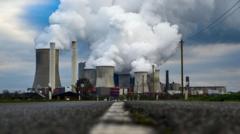
Germany Weighs Return to Coal-Powered Electricity
Germany's commitment to phasing out coal-powered electricity is facing renewed scrutiny as natural gas prices continue to escalate across Europe. The nation's energy landscape is shifting once again, forcing policymakers to reconsider long-standing environmental commitments in light of current economic realities and supply chain disruptions affecting the continent's fuel availability and affordability.
The Economic Pressure Behind Energy Decisions
The dramatic increase in natural gas costs has created unprecedented pressure on Germany's energy sector. As traditional fuel sources become prohibitively expensive, discussions about maintaining coal-powered electricity generation have resurfaced among government officials and industry stakeholders. This represents a significant departure from Germany's previous trajectory toward complete coal elimination.
Historical Context of Germany's Coal Phase-Out Plan
Germany had established an ambitious timeline to abandon coal as a primary energy source, aligning with broader European Union climate objectives and domestic environmental commitments. This strategy was designed to accelerate the transition toward renewable energy sources including wind, solar, and hydroelectric power. However, the recent energy crisis has introduced complications that policymakers did not anticipate when establishing their original decommissioning schedule.
Impact of Natural Gas Market Volatility
The skyrocketing cost of natural gas has fundamentally altered the economic calculus for energy producers throughout Germany. Natural gas, which was positioned as a transitional fuel between coal and renewables, has become significantly more expensive due to geopolitical factors and supply chain disruptions. This unexpected market dynamic has made the continued operation of existing coal facilities appear more economically viable compared to purchasing increasingly costly natural gas for electricity generation.
Renewable Energy Challenges and Limitations
While Germany has invested substantially in renewable energy infrastructure, wind and solar generation remain subject to weather conditions and seasonal variations. The intermittency of these power sources means that backup generation capacity remains essential for maintaining grid stability and meeting consistent electricity demand. Coal-powered plants have traditionally served as reliable baseload power sources, capable of operating continuously regardless of external environmental conditions.
Government and Industry Response
Energy officials are conducting comprehensive assessments of all available options to ensure Germany can maintain sufficient electricity supply during the winter months and beyond. Some policy leaders suggest temporarily extending the operational lifespan of coal-powered facilities rather than decommissioning them on schedule. Others advocate for accelerating renewable energy deployment while exploring alternative solutions including energy efficiency improvements and demand management strategies.
Environmental and Climate Considerations
The potential reversal regarding coal-powered electricity generation creates tension between short-term energy security and long-term climate objectives. Germany has positioned itself as a leader in environmental sustainability and emissions reduction, making any decision to rely more heavily on coal a complex political issue. Environmental organizations have expressed concerns about the implications of renewed coal dependence for achieving national and international climate targets.
European Energy Market Dynamics
Germany's energy challenges are not unique within Europe. Multiple nations across the continent are reassessing their fuel strategies in response to similar market pressures and supply constraints. The broader European energy crisis has prompted discussions about flexibility in environmental regulations and the potential temporary extension of existing coal infrastructure across various member states.
Future Outlook and Decision Timeline
As Germany navigates these competing priorities, authorities must determine whether to maintain their original coal phase-out schedule or implement modifications based on current circumstances. The decision will likely influence energy policy discussions throughout Europe and set precedents for how other nations balance environmental commitments with immediate energy security requirements. Coming months will be critical as stakeholders evaluate options and develop concrete policy responses to address both the energy crisis and long-term sustainability goals.